In the mid-1960s, as Hollywood dreamed of capturing the raw chaos of 1920s China amid the Republican era’s warlord skirmishes and revolutionary fervor, the Iron Curtain of Cold War politics slammed shut on the mainland. Director Robert Wise’s ambitious epic, The Sand Pebbles; starring the rugged Steve McQueen as a disillusioned U.S. Navy machinist’s mate; unfolded along the misty Yangtze River, a waterway teeming with junks, gunboats, and simmering unrest. But with Mao’s Cultural Revolution looming and U.S.-China relations frozen solid, filming on location was a non-starter. Enter Taiwan: a subtropical gem with jagged coastlines, labyrinthine rivers, and bustling ports that didn’t just mimic old China—they elevated it into something more photogenic, more alive.
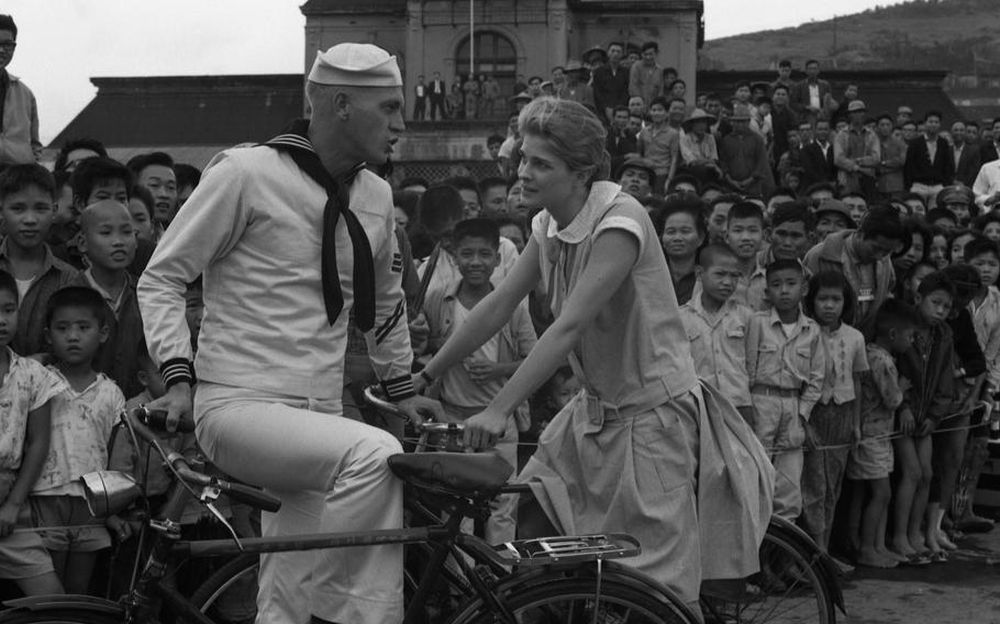
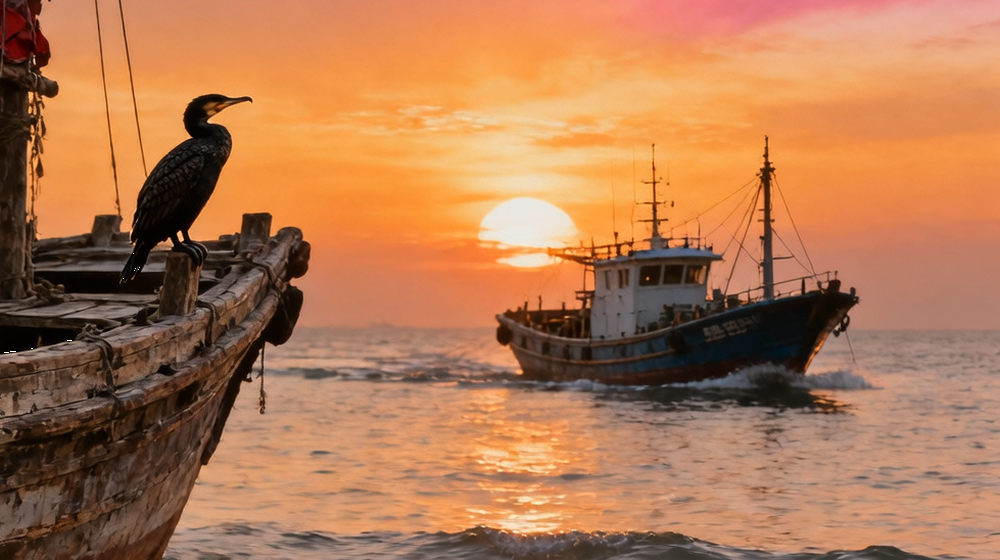
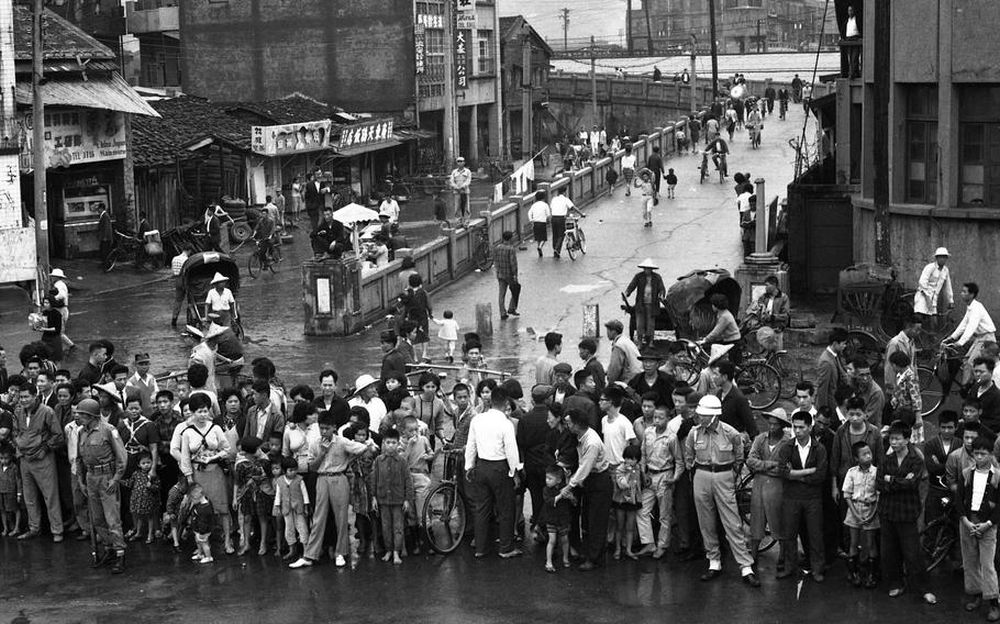
Production kicked off in November 1965, a humid stretch that dragged into the muggy dawn of 1966, transforming Taiwan into a sprawling open-air studio. Keelung Harbor, with its briny fog rolling off the East China Sea and fishing boats bobbing like wooden toys, seamlessly became the teeming metropolises of Shanghai and Hankow. Crews swarmed the docks, erecting facades of colonial warehouses and rickety stalls alive with the clamor of hawkers and the scent of dried fish. Tamsui’s serpentine rivers, fringed by mangrove thickets and thatched fishing hamlets, stood in for the inland grit of Changsha, their tidal shifts capturing the Yangtze’s unpredictable moods. Taipei’s warren of narrow alleys – Dihua Street’s sun-dappled shophouses piled with bolts of silk and jars of pungent dried herbs, evoked Shanghai’s throbbing underbelly, where coolies jostled amid noodle vendors and shadowy opium dens. The crown jewel? A full-scale replica of the USS San Pablo gunboat, painstakingly constructed in Hong Kong’s shipyards, towed across the strait to brave Tamsui’s treacherous currents for months of nail-biting riverine action scenes.
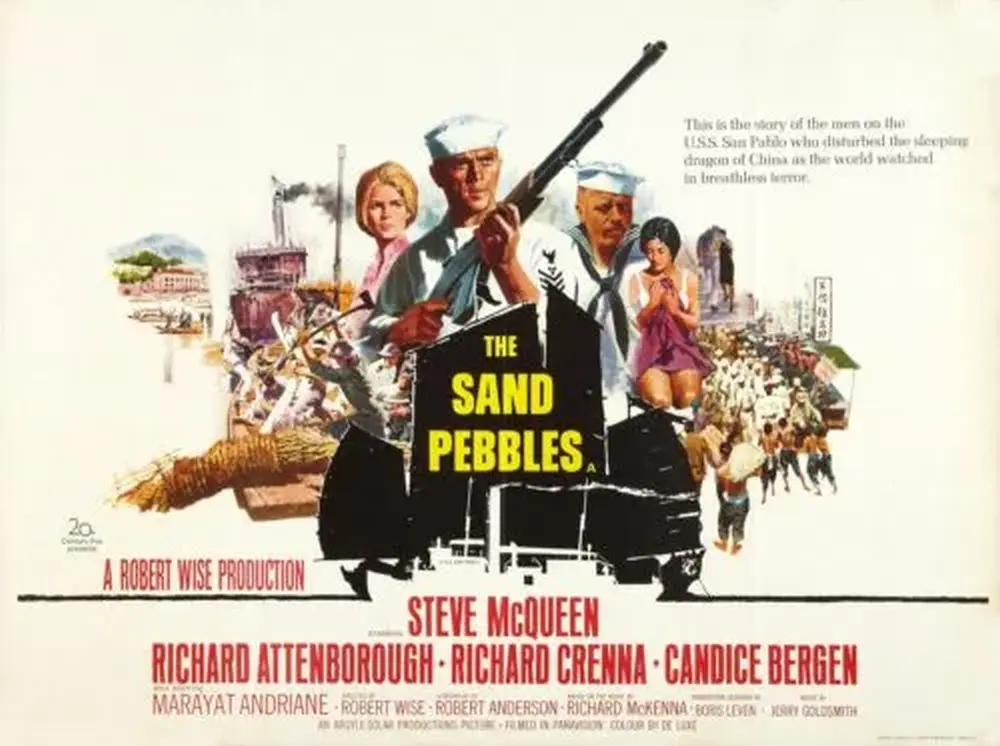
Steve McQueen, the era’s brooding anti-hero fresh off The Great Escape, immersed himself in Taiwan’s rhythms. Holed up in a stilted villa ringed by emerald rice paddies; where water buffalo plodded through ankle-deep muck; he hauled in his weight bench, barbells, and a gleaming motorcycle for joyrides into the mist-shrouded hills. He roamed with his stunt double, sampling street-side beef noodle soup and dodging typhoon-season downpours, while his young kids turned mishaps into legend: one infamous tumble into a paddy fertilized with night soil, leaving them caked in the earthy reek of rural life. McQueen griped about the absence of Skippy peanut butter amid Taiwan’s feast of stinky tofu and pineapple cakes, but the island’s spirit hooked him. Hardships abounded, though monsoon rains that turned sets to quagmires, malaria scares rippling through the cast, relentless tidal battles for the San Pablo, and the Taiwanese government’s eagle-eyed script reviews to excise any whiff of communist sympathy. In exchange, authorities fast-tracked a custom waterfront studio near Tamsui, cementing a symbiotic bond with 20th Century Fox that funneled millions into the local economy.
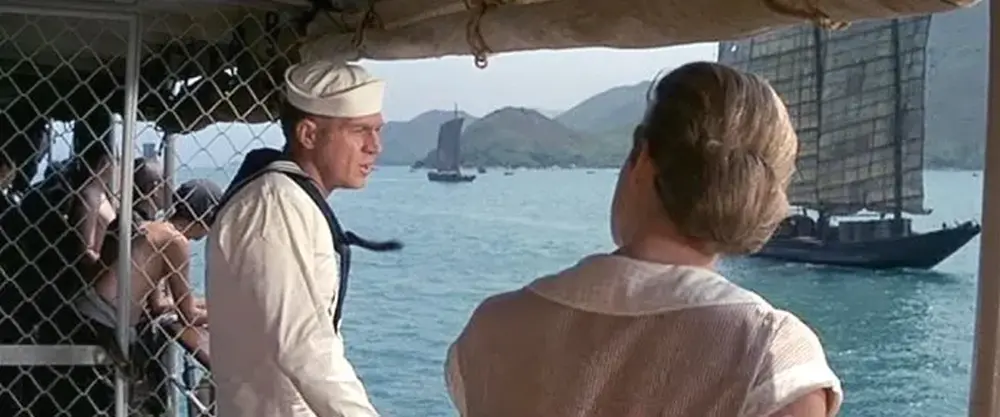
Yet amid the sweat and setbacks, Taiwan infused The Sand Pebbles with an indelible soul, one the censored Yangtze could never have surrendered. The island’s verdant hillsides, riotous harbor life, and eternally atmospheric streets lent the film a textured authenticity: golden-hour light gilding temple roofs, the distant toll of fishing bells, the humid pulse of a nation on the cusp of its own economic miracle. The movie swept seven Oscar nominations, including Best Picture, proving Taiwan’s proxy magic. Today, those echoes persist like celluloid ghosts. Stroll Tamsui’s breezy esplanade, where lovers feed fish from stone bridges; inhale the salt-laced frenzy of Keelung’s night market; or weave through Taipei’s Dihua Street, now a hipster haven of tea houses amid preserved Qing-era facades. Each step whispers of 1966, when Taiwan, quietly, masterfully; transmuted geopolitical exile into Hollywood gold, etching itself onto the silver screen.
Images : web, IMDB
Text : Scribblegeist (Ghost of the runaway pencil)