Earth Day began not with a treaty or a summit, but with students carrying clipboards across campus quads on a mild Tuesday in April.
A date picked for participation
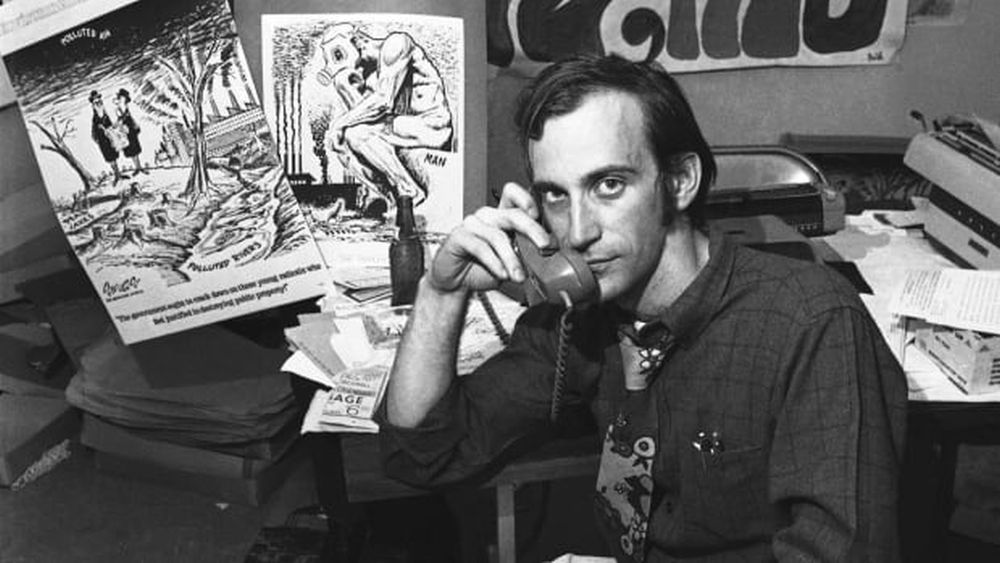
April 22, 1970 was chosen deliberately by Wisconsin Senator Gaylord Nelson. He wanted a window between spring break and final exams, when college students would be on campus, awake, and ready to teach each other. Organizer Denis Hayes turned that window into a national teach-in, 20 million Americans stepping out of classrooms and offices to talk about rivers that caught fire and air you could see.
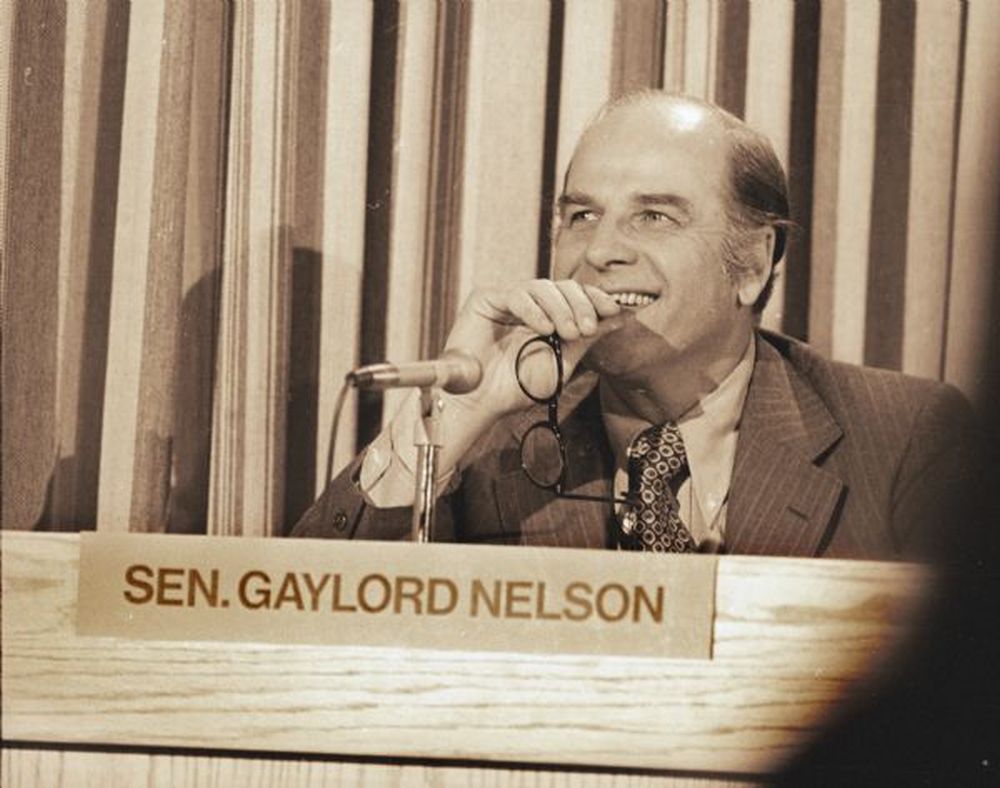
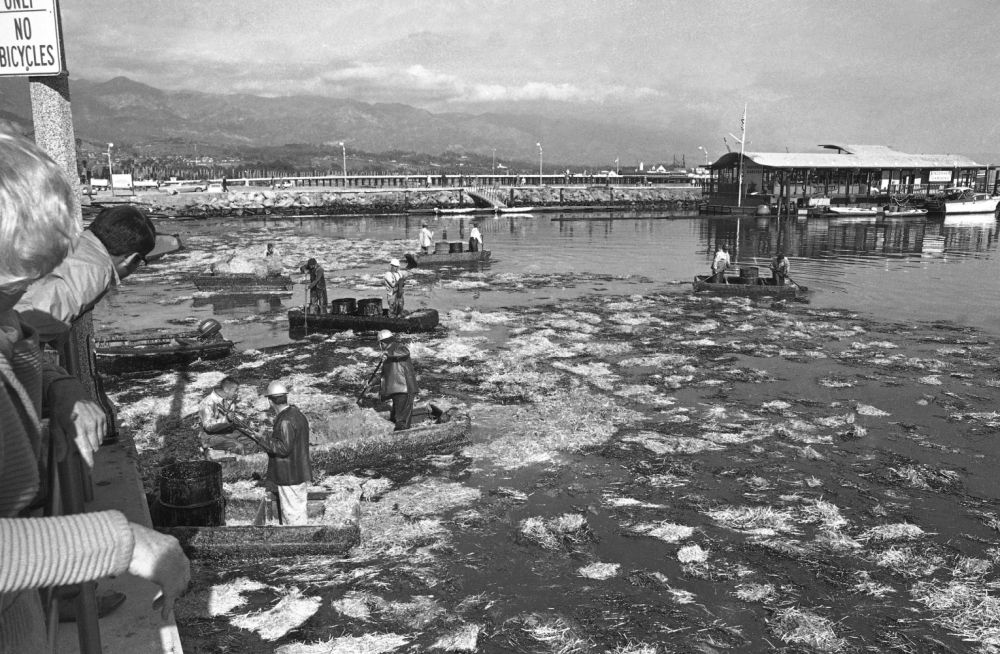
Nelson had been haunted by the 1969 Santa Barbara oil spill, a black tide that made an abstract problem visceral. He borrowed the energy of the campus antiwar movement and aimed it at something common: the air we breathe, the water we drink, the soil that feeds us.
From one country to a shared calendar
That first day was American in origin, and it worked. Within months the momentum helped create the U.S. Environmental Protection Agency and pass the Clean Air Act, the Clean Water Act, and the Endangered Species Act.
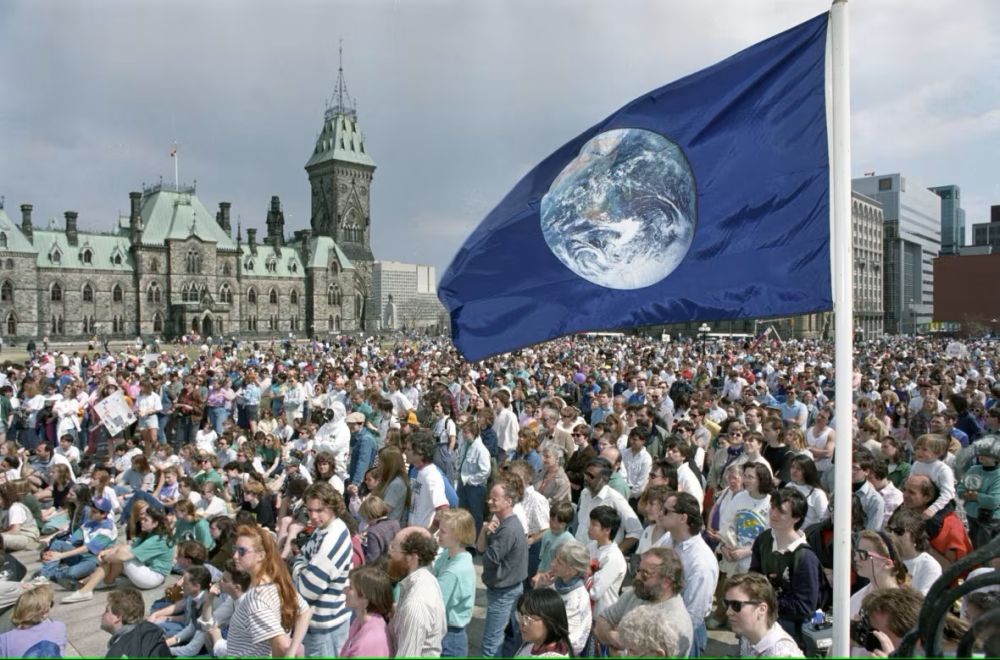
In 1990, Hayes took the idea worldwide. Two hundred million people in 141 countries joined, and the pattern stuck. Today more than a billion people in over 193 countries mark April 22 each year. The United States keeps the date fixed, while the United Nations also recognizes International Mother Earth Day around the spring equinox in March, but April 22 remains the day most of the world gathers.
It is generous by design. No one owns it, no ticket is required, and the actions scale to whatever you have to give: a neighborhood cleanup, a tree planting, a letter to a representative, a quiet hour spent learning how your city gets its power.
Milestones we still build on
- 1969, Santa Barbara: An offshore blowout spills millions of gallons of oil along the California coast, convincing Nelson that environmental harm needed a public, political response.
- 1970, the first Earth Day: Nelson and Hayes coordinate teach-ins nationwide. The turnout helps launch the modern environmental movement and a wave of U.S. environmental law.
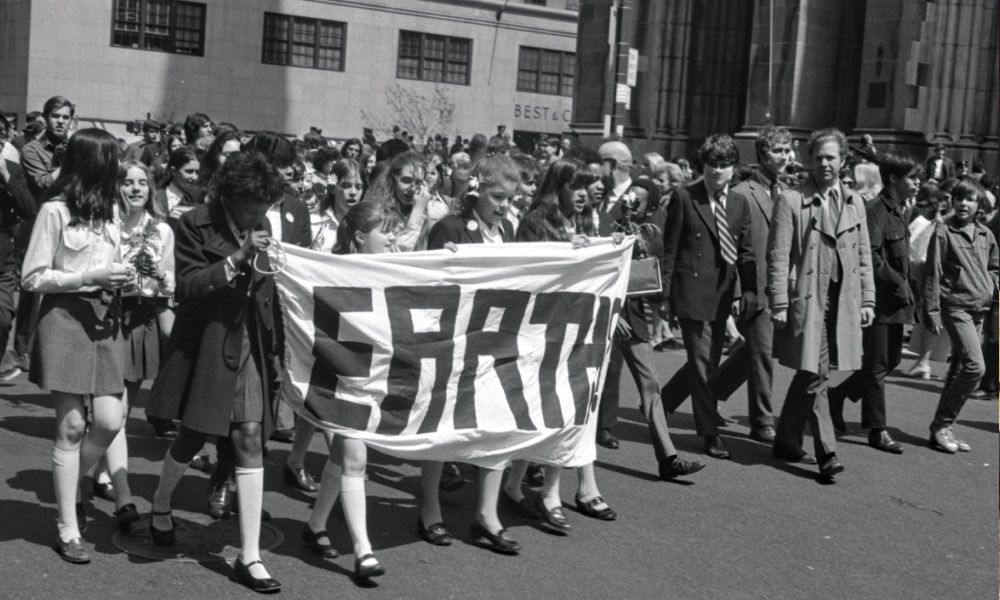
- 1990, going global: Earth Day becomes international, linking recycling drives in Tokyo with tree plantings in Nairobi and protests in Eastern Europe.
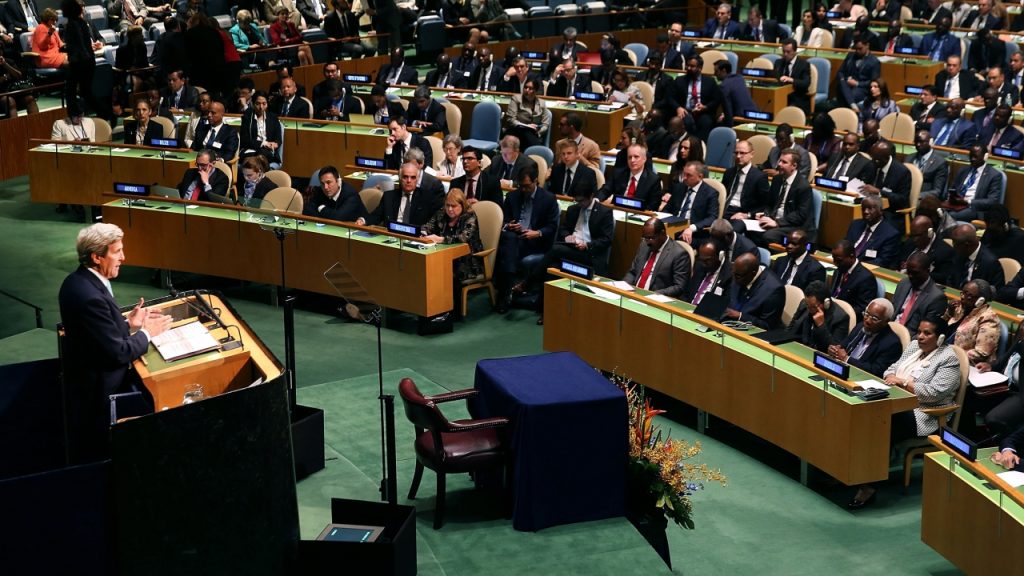
- 2016, Paris on Earth Day: 175 nations choose April 22 to sign the Paris Agreement, tying the date explicitly to climate action.
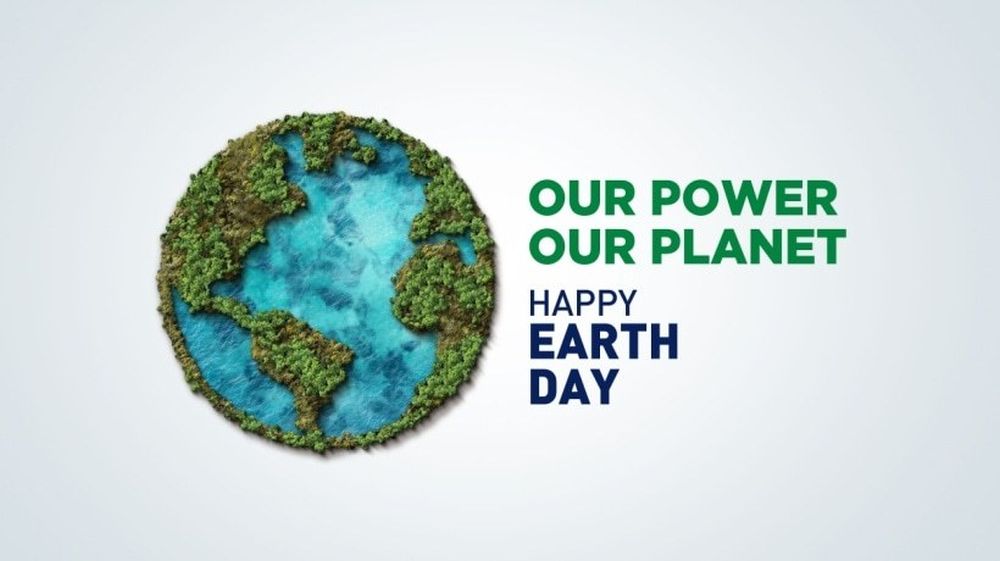
- 2026, Our Power, Our Planet: This year’s theme focuses on the shift to renewable energy, not as sacrifice but as agency. It invites cities, schools, businesses, and households to claim a share in producing cleaner power.
The generosity of Earth Day is that it assumes you already belong to the story. It does not ask for perfection, only participation. Between the memory of an oil spill and the promise of a signed climate accord, between a campus teach-in and a billion people acting on the same date, April 22 keeps reminding us that environmental protection is not a specialist’s job.
It is a civic habit we practice together.
Images : Web
Text : Scribblegeist (Ghost of the runaway pencil)