Pepper is one of the most familiar ingredients in the world, yet it carries a surprisingly rich history and a far more complex identity than most people realize. What we usually call pepper comes from the berry of Piper nigrum, a tropical climbing vine native to southwest India, and the different colors of pepper are simply the result of harvesting and processing the same fruit at different stages of maturity.
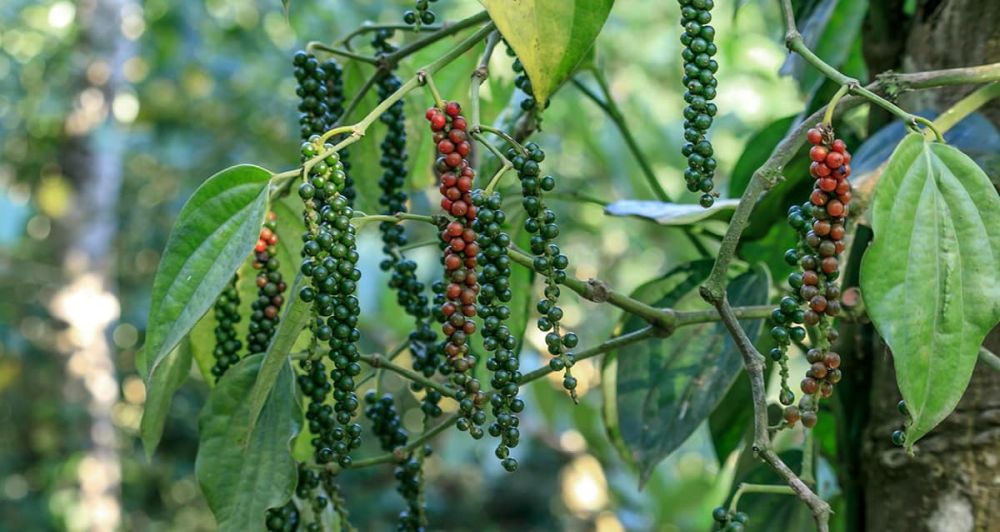
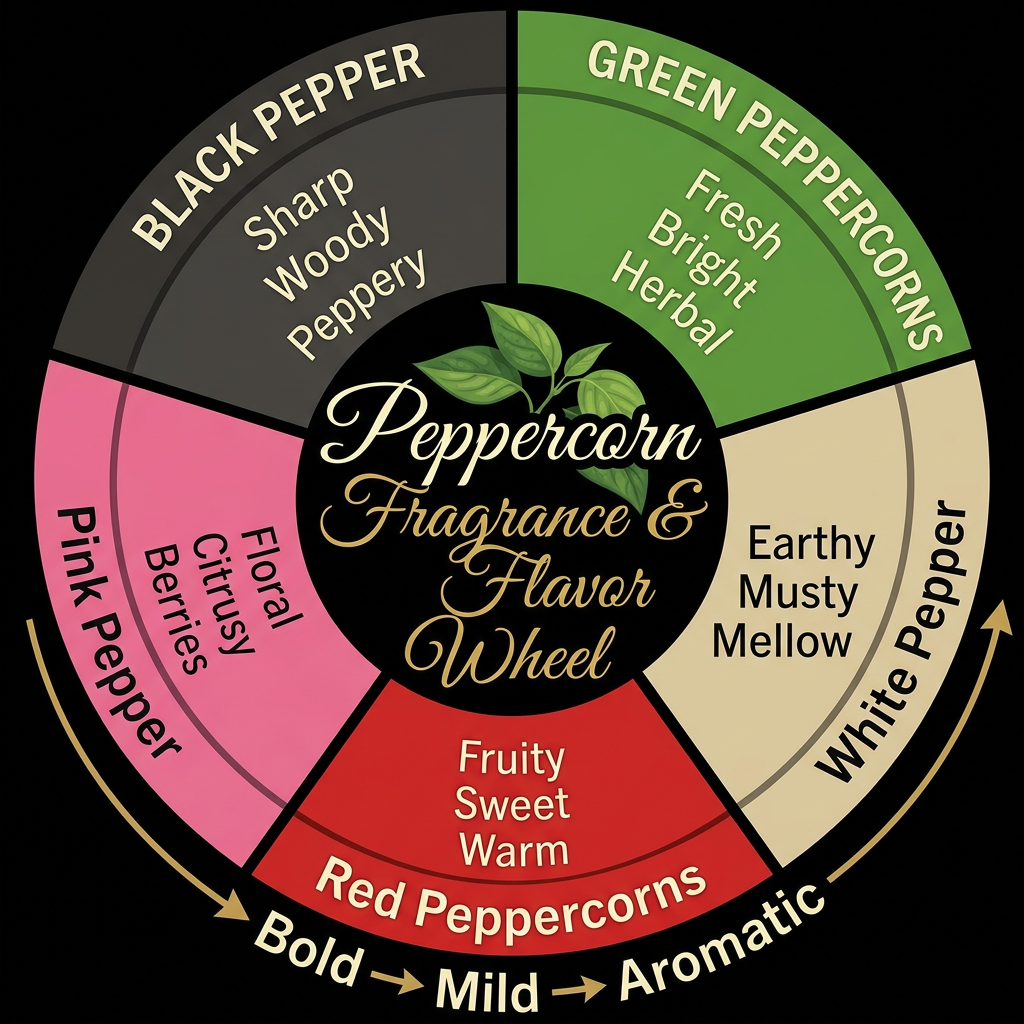
Black Pepper – The Bold Classic
Black pepper is the superstar of spice racks everywhere, known for its sharp kick and deep, warming aroma. Made from berries picked just before ripening and then dried, it packs a punch that wakes up any dish. Whether sprinkled over a steak or stirred into a soup, it’s the go-to pepper when you want flavor with attitude.
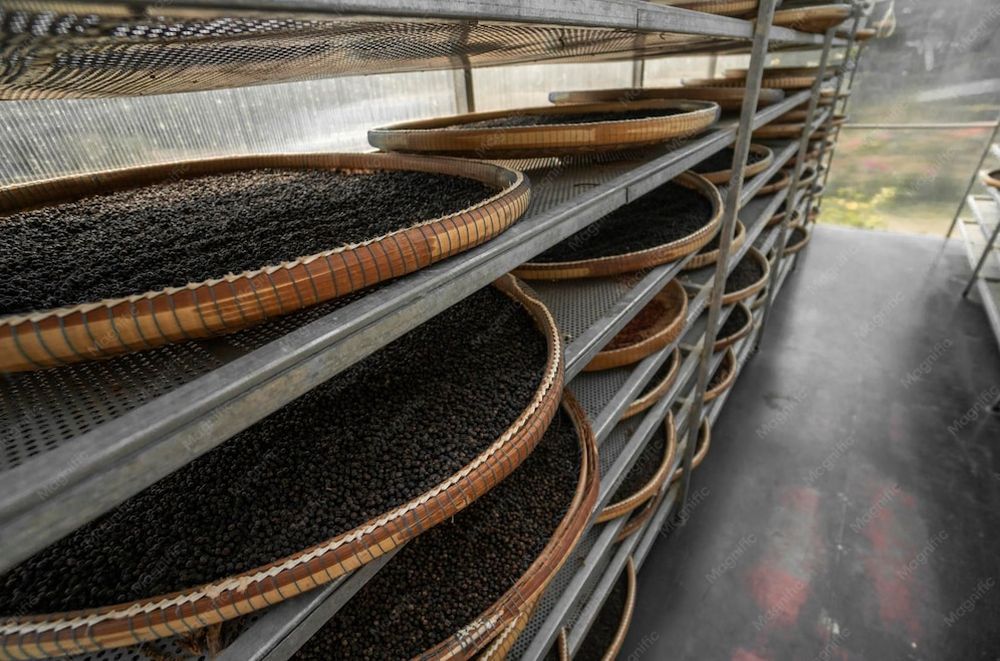
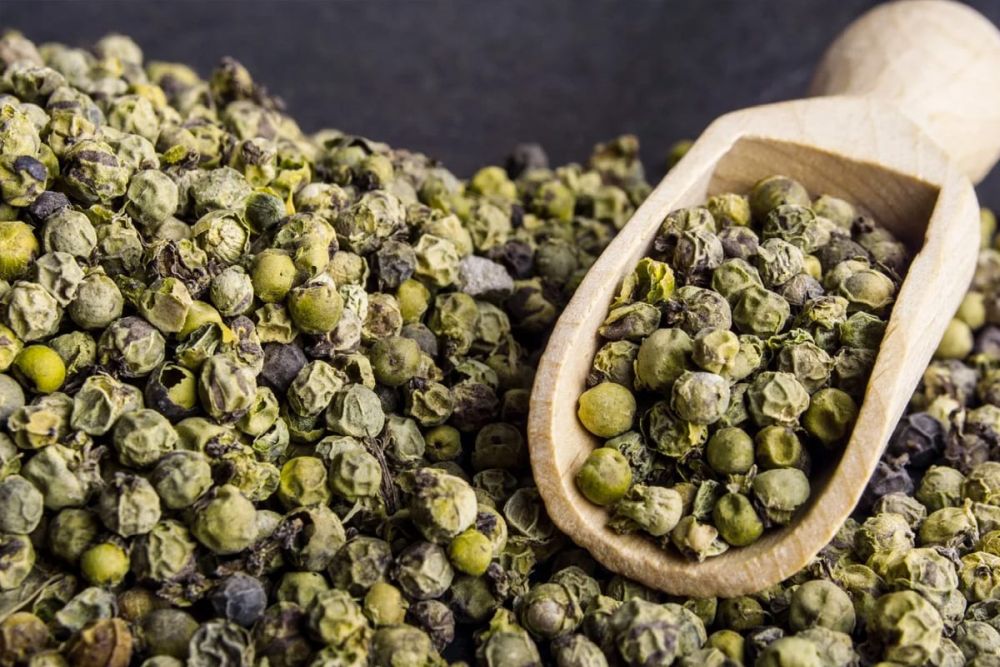
Green Peppercorns – The Fresh Face
Green peppercorns are the lively younger sibling, harvested early before the berries mature. Their taste is fresher, brighter, and a little gentler, bringing a zesty spark without overwhelming heat. Often preserved in brine or freeze-dried, they shine in creamy sauces or seafood dishes, adding a playful twist that feels light and refreshing.
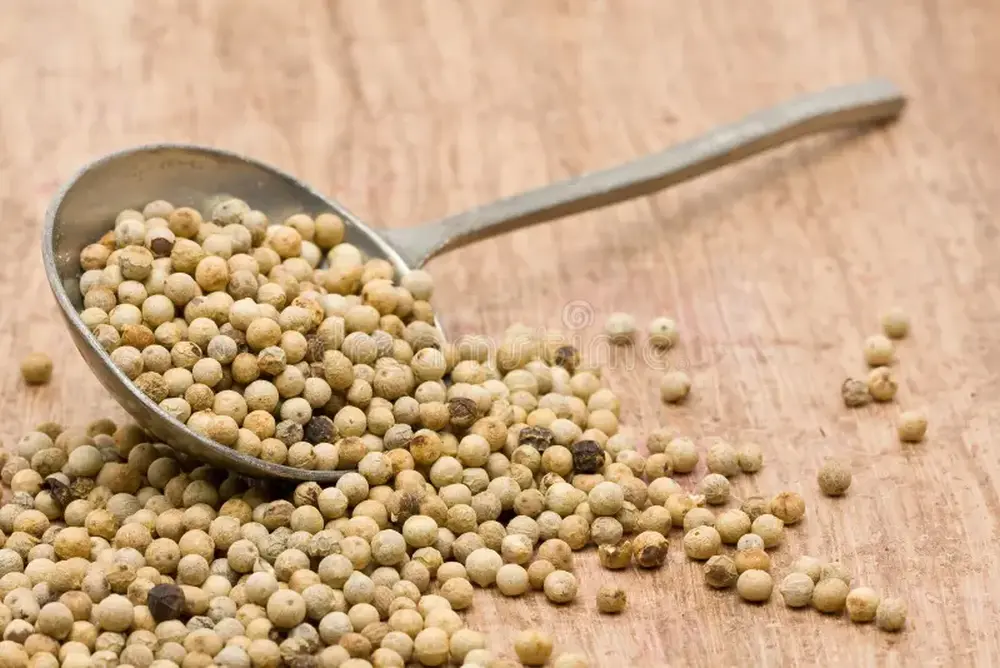
White Pepper – The Smooth Operator
White pepper is all about subtlety. Made from fully ripe berries with the outer skin removed, it delivers a softer, earthier flavor that blends in quietly but effectively. It’s the pepper you reach for when you want depth without the dark specks — perfect for mashed potatoes, pale sauces, or dishes where elegance matters more than boldness.
Red Peppercorns – The Rare Gem
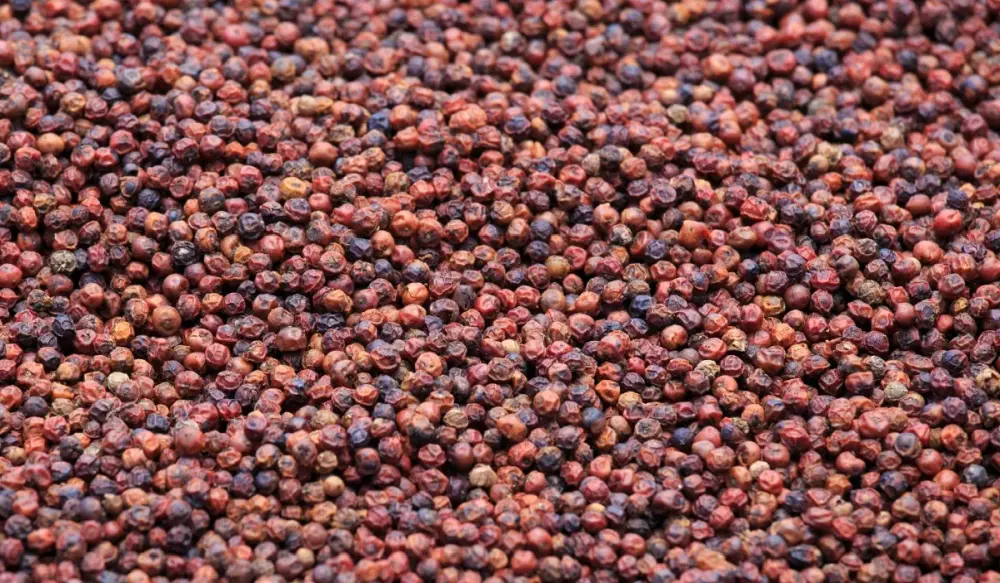
Red peppercorns are the fully ripened berries that get special treatment to preserve their vibrant color and unique taste. Less common but highly prized, they bring a fruity sweetness alongside gentle heat, creating a more nuanced flavor profile. They’re the peppercorns that chefs use when they want to surprise the palate with something rare and refined.
Pink Pepper – The Sweet Rebel
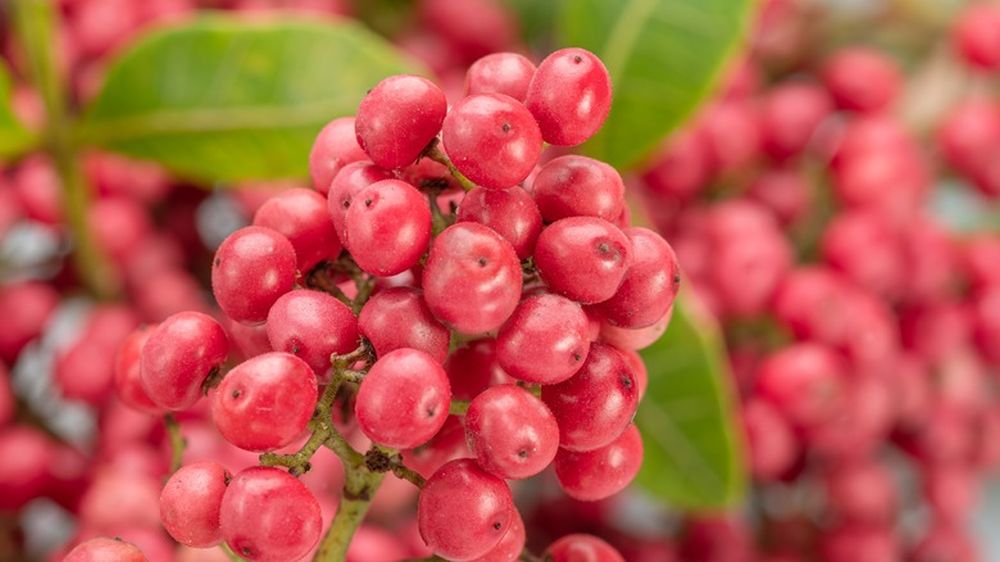
Pink pepper isn’t a true peppercorn, but it loves to crash the party anyway. With its rosy hue and sweet, slightly floral flavor, it adds a playful pop both in taste and appearance. It’s milder than the others, often used in desserts, salads, or even cocktails, proving that spice can be fun, colorful, and a little rebellious.
For centuries, pepper was far more than a seasoning. It was a luxury item, a marker of wealth, and a driving force behind trade routes, exploration, and international competition. In parts of Europe, pepper was once so valuable that it was treated almost like currency, and its importance helped shape global commerce long before it became a pantry staple.

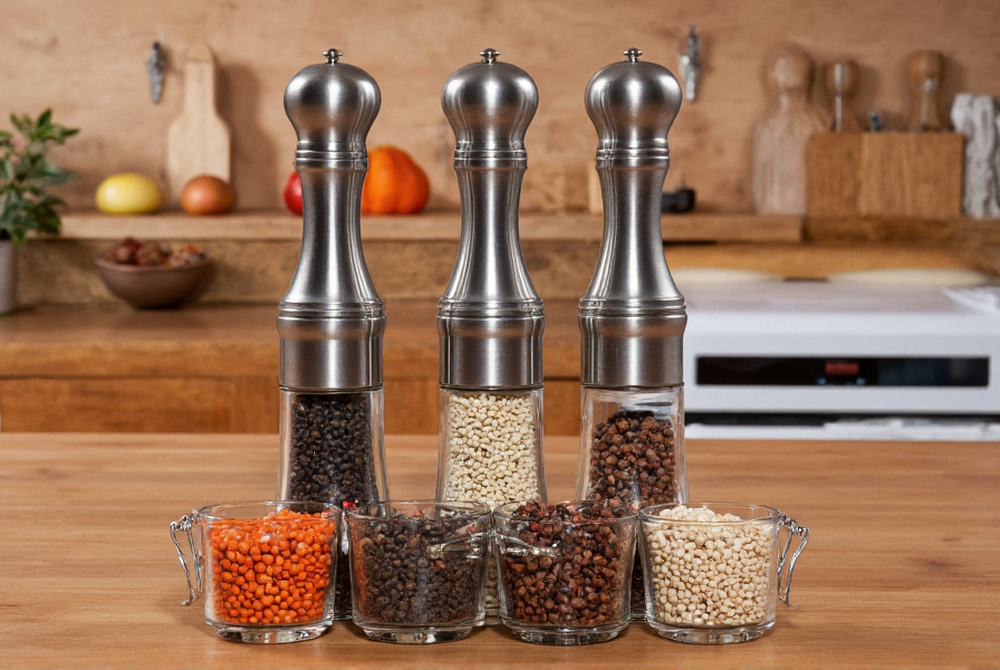
Today, pepper remains the world’s most widely used spice because it is both versatile and dependable. It can sharpen rich sauces, brighten roasted vegetables, deepen meat dishes, and add a finishing lift to eggs, soups, and salads. Yet its flavor is most vivid when the peppercorns are whole and freshly ground, since the aromatic compounds fade quickly after grinding and the spice loses much of its intensity.
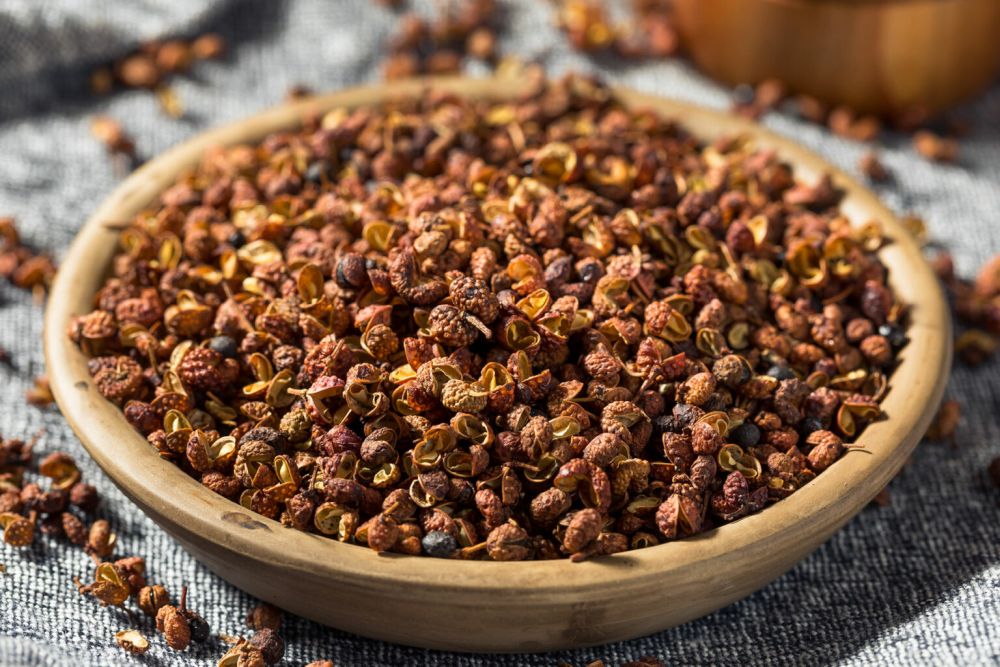
Pepper’s story also includes many impostors. Several spices and berries are called “pepper” even though they are not botanically related to true pepper at all. Sichuan pepper creates a citrusy, tingling numbness rather than a classic heat; pink peppercorns are light, fruity, and fragrant; allspice offers warm notes reminiscent of clove, cinnamon, and nutmeg; and grains of paradise bring a peppery spice with a subtle ginger-like warmth. These ingredients are named for the role they play in cooking, not their plant family.
The broader lesson is that pepper is not just a simple seasoning but a family of flavors shaped by geography, cultivation, and tradition. Choosing whole peppercorns, grinding them just before use, and paying attention to origin can make a noticeable difference in everyday cooking. A small pinch, used well, can change the character of an entire dish.
Images : Web
Text : Scribblegeist (Ghost of the runaway pencil)