On the morning of June 6, 1944, the sky above Normandy’s coastline held its breath. Through breaking clouds, thousands of young men looked down upon beaches code-named Utah, Omaha, Gold, Juno, and Sword and understood that they were riding the hinge of history itself. Eighty years later, we remember them not with solemn distance alone, but with a gratitude so profound it still catches in the throat.
The Day the Tide Turned
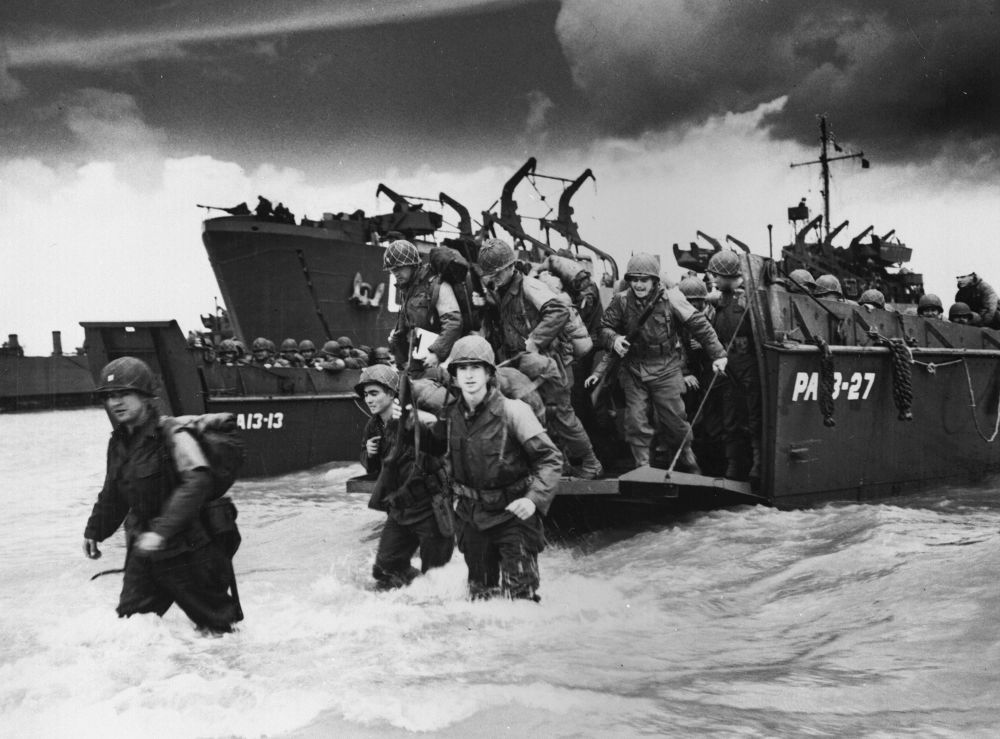
Before dawn, American, British, Canadian, and Allied paratroopers dropped into the darkened French countryside—many landing miles from their targets, many never reaching the ground at all. Above the English Channel, the largest armada ever assembled stretched to the horizon: over 6,900 vessels carrying nearly 156,000 men toward the “Atlantic Wall.”
By 6:30 a.m., the first landing craft ramps dropped into machine-gun fire.
What those men saw; what they chose to walk into; defies easy description. The sea ran red. The sand was not sand but shrapnel and slaughter. Young soldiers, many still teenagers, waded through bodies and breakwaters toward fortified cliffs, knowing that the first step might be their last. They went anyway. Not for glory. Not for conquest. For something far simpler and far more precious: the defeat of an evil that had swallowed a continent.
The Price of Liberation
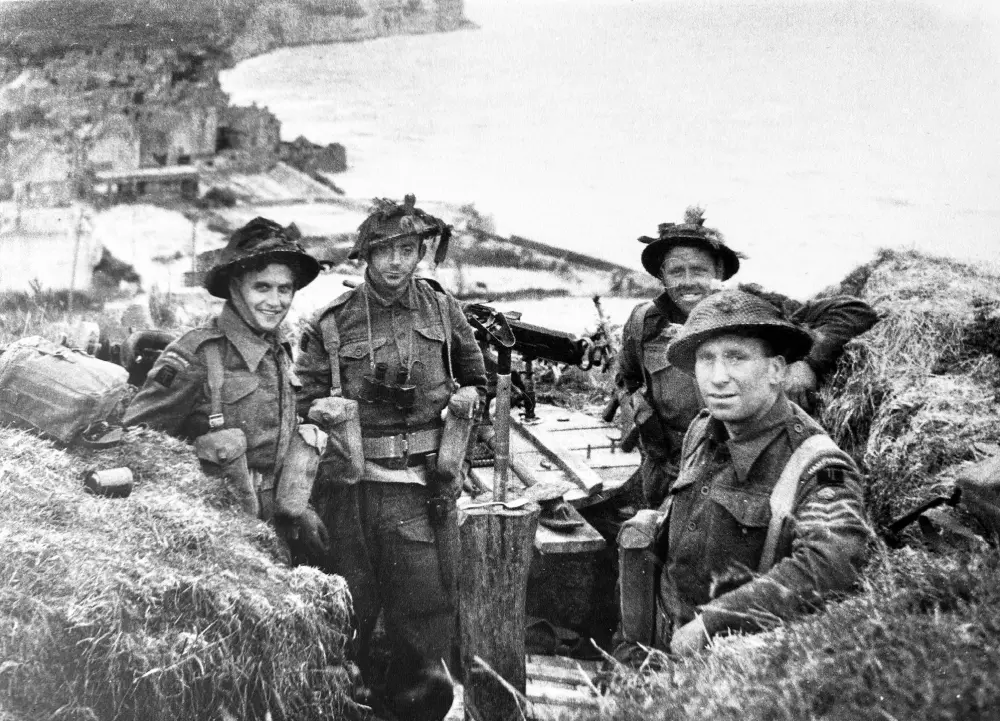
The numbers alone cannot capture the sacrifice : 2,501 American dead at Omaha Beach, 340 Canadian soldiers lost before noon at Juno, 1,000 British casualties scattered across Gold and Sword; but they speak a language we must never stop listening to. In one morning, more Allied young men fell than in entire campaigns of other wars. They fell in the surf. They fell on the shingle. They fell hanging on barbed wire, reaching for a stretch of beach their lungs would never see secured.
And yet.
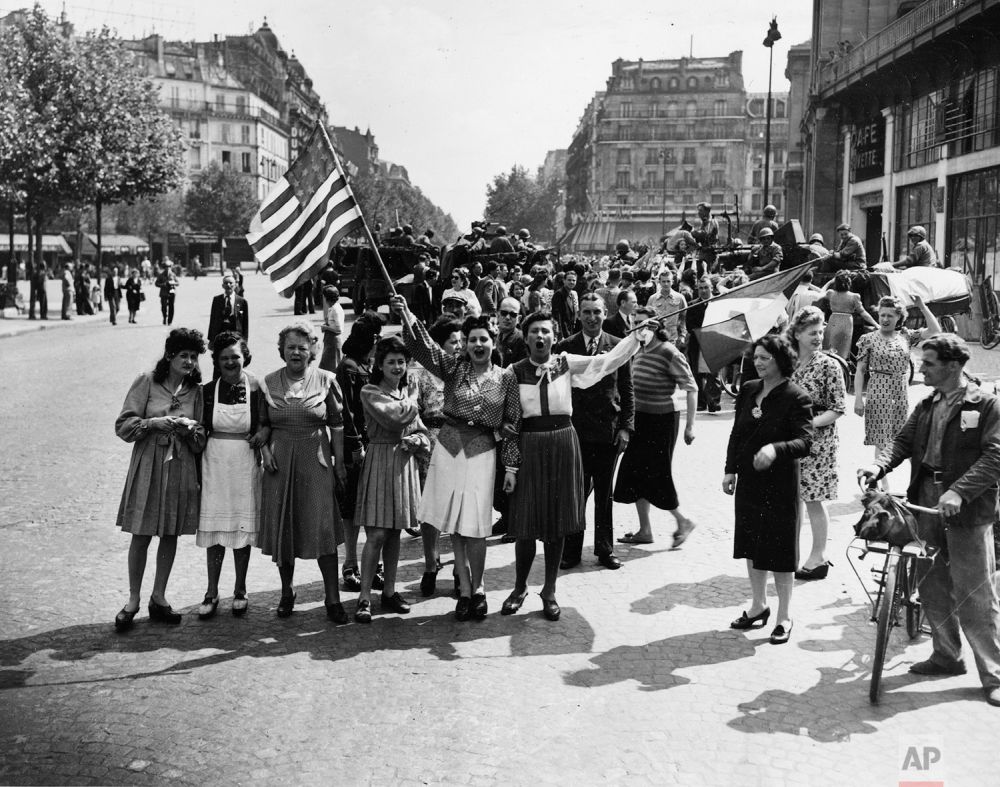
By nightfall on June 6, 1944, the Allies held the beaches. The Atlantic Wall had a crack. The long, bloody slog through the hedgerows of Normandy lay ahead, but the door to Europe had been forced open. Eleven months later, that door would lead all the way to Berlin and the unconditional surrender of Nazi Germany.
What They Gave Us
It is tempting, in our comfortable era, to treat D-Day as a movie, something that happened to other people in black and white. But the men who climbed those cliffs were real. They were fathers and sons, farmers and teachers, boys who lied about their age to enlist and men who left wives pregnant and uncertain whether they would ever see their children breathe.
They gave us something we can never repay: a world without Nazi swastikas flying over the capitals of Europe. A world where democracy survived its darkest hour. A world where the words “never again” could be spoken with the moral authority of their sacrifice.
Every liberty we take for granted, every vote we cast, every argument we freely have, every prayer we offer without fear rests on the bedrock of Omaha Beach. The soldiers of June 6 did not merely defeat an enemy. They defeated a philosophy of hatred, a machinery of genocide, a vision of humanity that would have extinguished the very idea of human dignity.
Remembering with Thankful Hearts
So how do we thank them? How do we honor men who never asked for monuments, who said simply, “We had a job to do”?
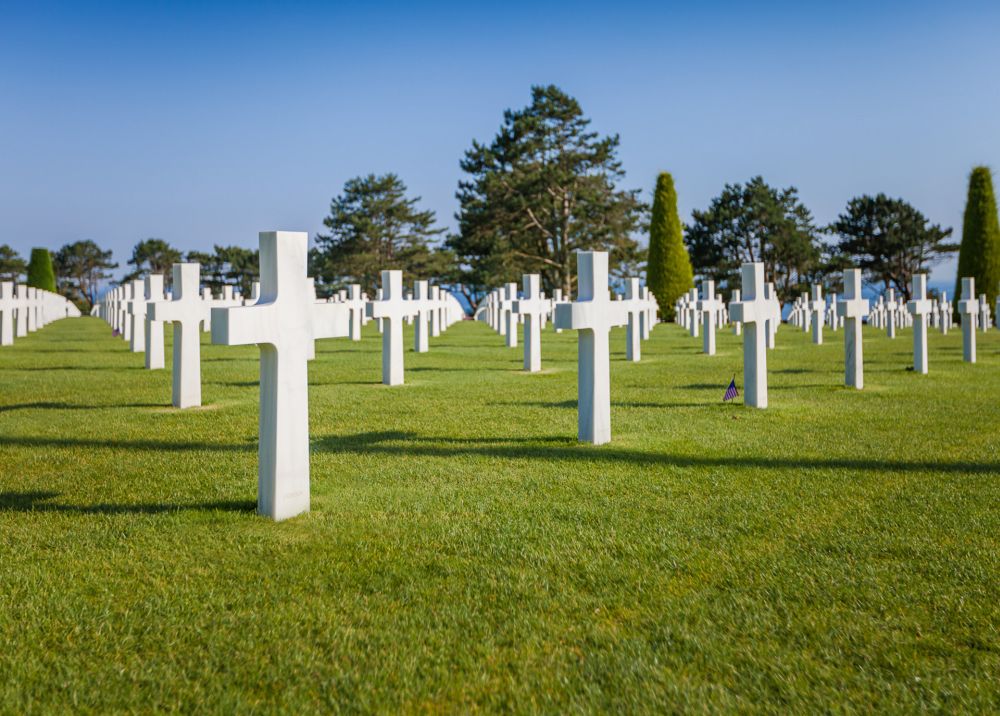
We remember. Not with parades alone (though parades are beautiful), but with the quiet, persistent work of gratitude. We visit the rows of white crosses at the Normandy American Cemetery, where 9,388 soldiers rest in French soil that will forever be American ground. We tell their stories to our children. We learn the names: Brigadier General Theodore Roosevelt Jr., who led from the front at Utah Beach at age 56 and died of a heart attack weeks later. Private First Class Charles N. DeGlopper, who stood in an open road on Omaha Beach, machine gun blazing, sacrificing himself so his squad could withdraw. John Dolan, a 19-year-old Canadian paratrooper who landed miles off course but fought for 90 consecutive days.
And when we have remembered, we live lives worthy of their sacrifice. We defend the institutions they died for. We refuse to let hatred rise again. We remain grateful; not as a passive emotion, but as an active, daily commitment to the world they built with their blood.
The Legacy Endures
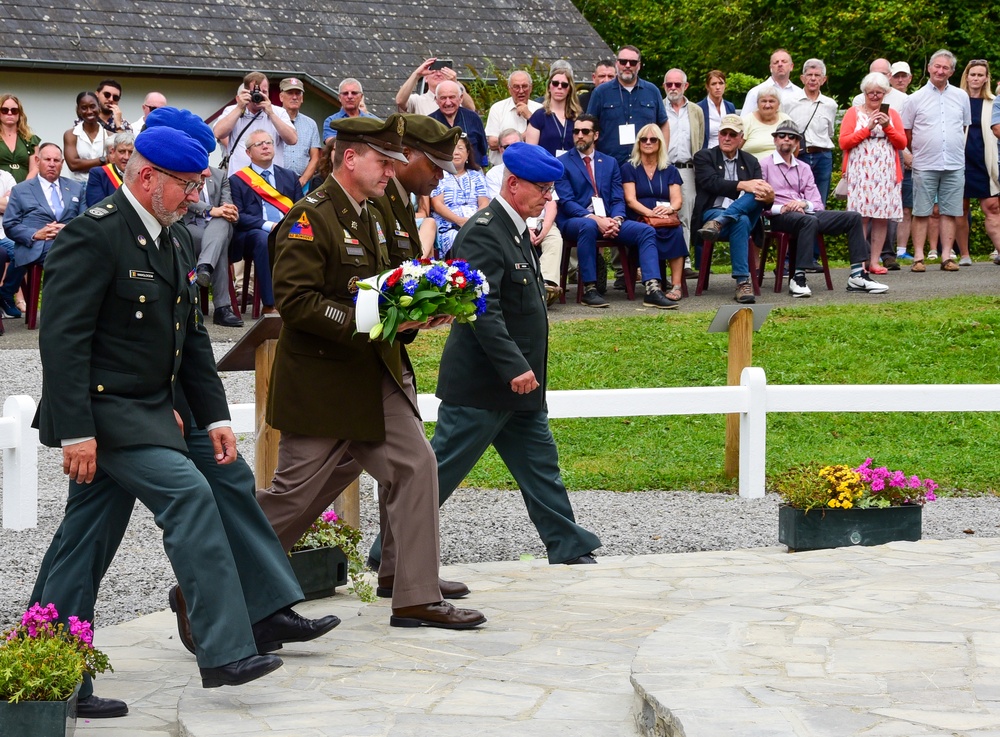
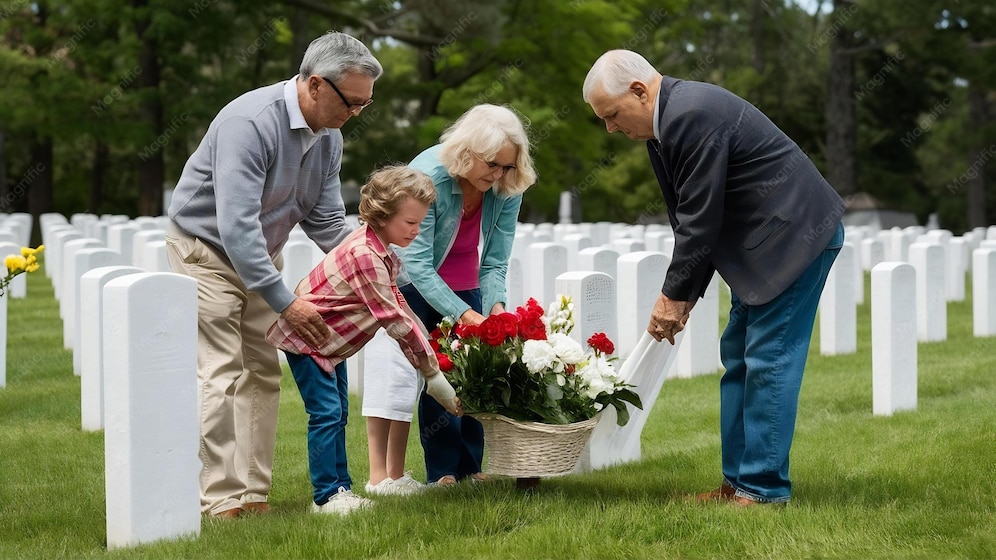
Today, French families still place flowers on the graves of American soldiers. Elderly Normandy residents still whisper “merci” to visiting veterans. The beaches, now peaceful, still reveal rusted remnants of landing craft at low tide—ghosts of steel reminding us that freedom has never been free.
On this anniversary, we who were never there owe a debt that can never be fully paid. But we can offer what the dead most wanted: a world where their children—and their children’s children—would never have to storm another Omaha Beach.
To the men who came across the sea and saved a continent: thank you. To the ones who never came home: rest easy. Your watch is over. Your mission succeeded. And we, the grateful beneficiaries of your courage, will spend the rest of our days trying to be worthy of what you did on that longest dawn.
June 6, 1944. Never forgotten. Always thankful.
“They fought together as brothers in arms. They died together and now sleep side by side. To them, we have a solemn obligation to remember.”
President Ronald Reagan, Pointe du Hoc, June 6, 1984
Images : AI Generated, Web, Wiki
Text : Scribblegeist (Ghost of the runaway pencil)