When you are wandering through the lantern-lit alleyways of a small theater district in Chengdu, you will first witness it: a flash of silk, a turn of the head, and suddenly the performer before you is someone entirely different. One moment, a fierce general with painted brows glares from the stage; the next, a laughing spirit shimmers in his place; then, just as swiftly, a brooding warrior emerges, eyes heavy with unspoken sorrow. This is bian lian, the ancient and mesmerizing art of face-changing, and in that instant you understand why it has captivated audiences for centuries.
Rooted in the vibrant, expressive world of Sichuan Opera (Chuanju), bian lian is far more than theatrical spectacle. It is a living language of emotion, history, and cultural memory, woven into the fabric of southwestern China for over 300 years. Originating during the Qing Dynasty, this art form emerged when theatrical storytelling fused with local folk beliefs, ritual practices, and symbolic visual expression. Early masks were not mere props; they were vessels of meaning-tools to externalize hidden feelings, mark dramatic turning points, or even, as legend suggests, ward off malevolent spirits during festivals and ceremonies. Over time, these techniques found their natural home in Sichuan Opera, where exaggerated gestures, vivid costumes, and bold visual storytelling were already central to the stage. Here, the mask became a bridge between inner world and outer performance, allowing artists to reveal psychological depth without uttering a single word.
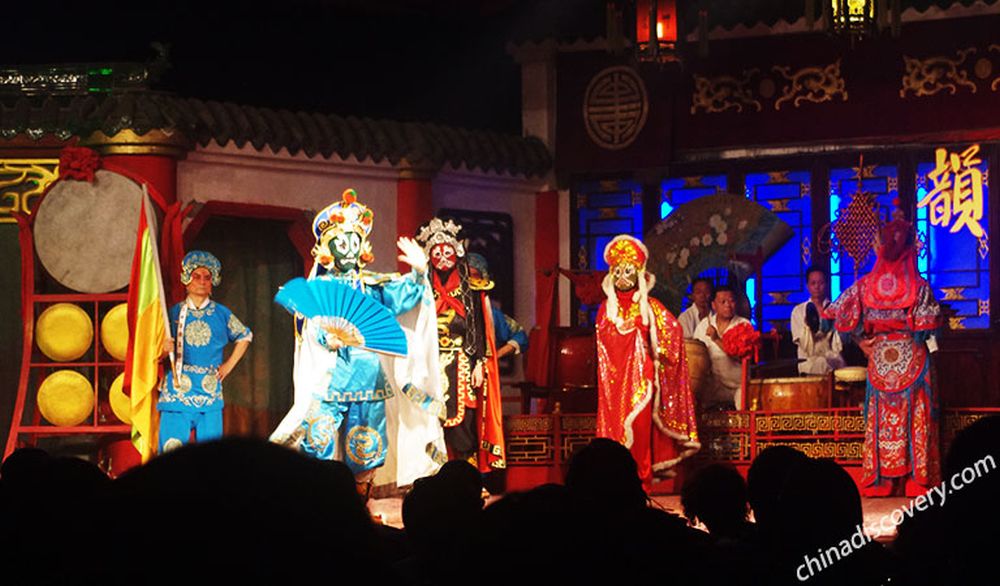
The Mechanics of Mystery: Skill, Secrecy, and Symbolism
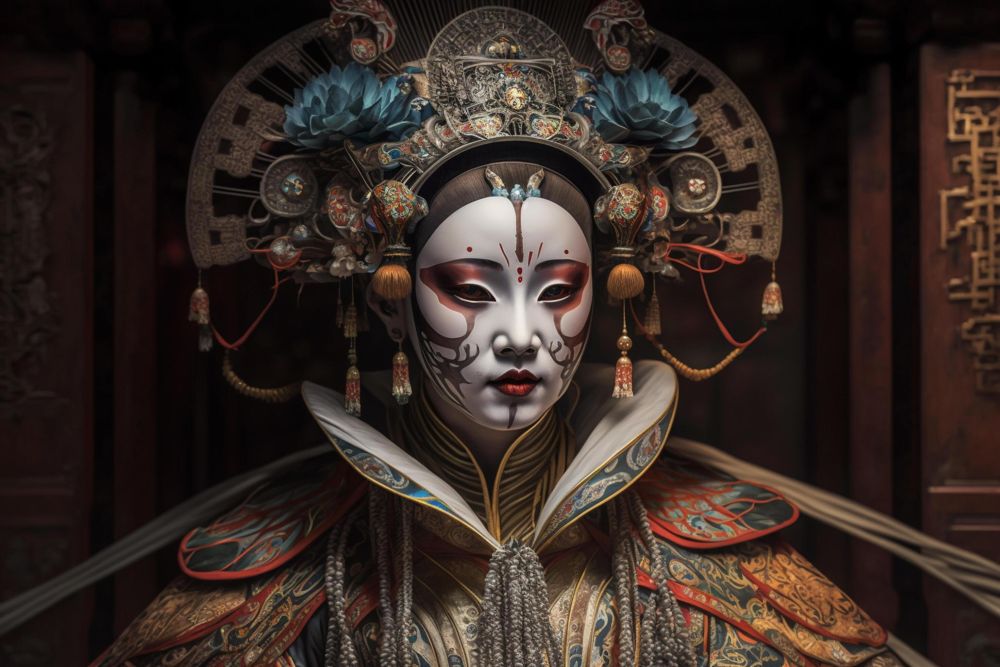
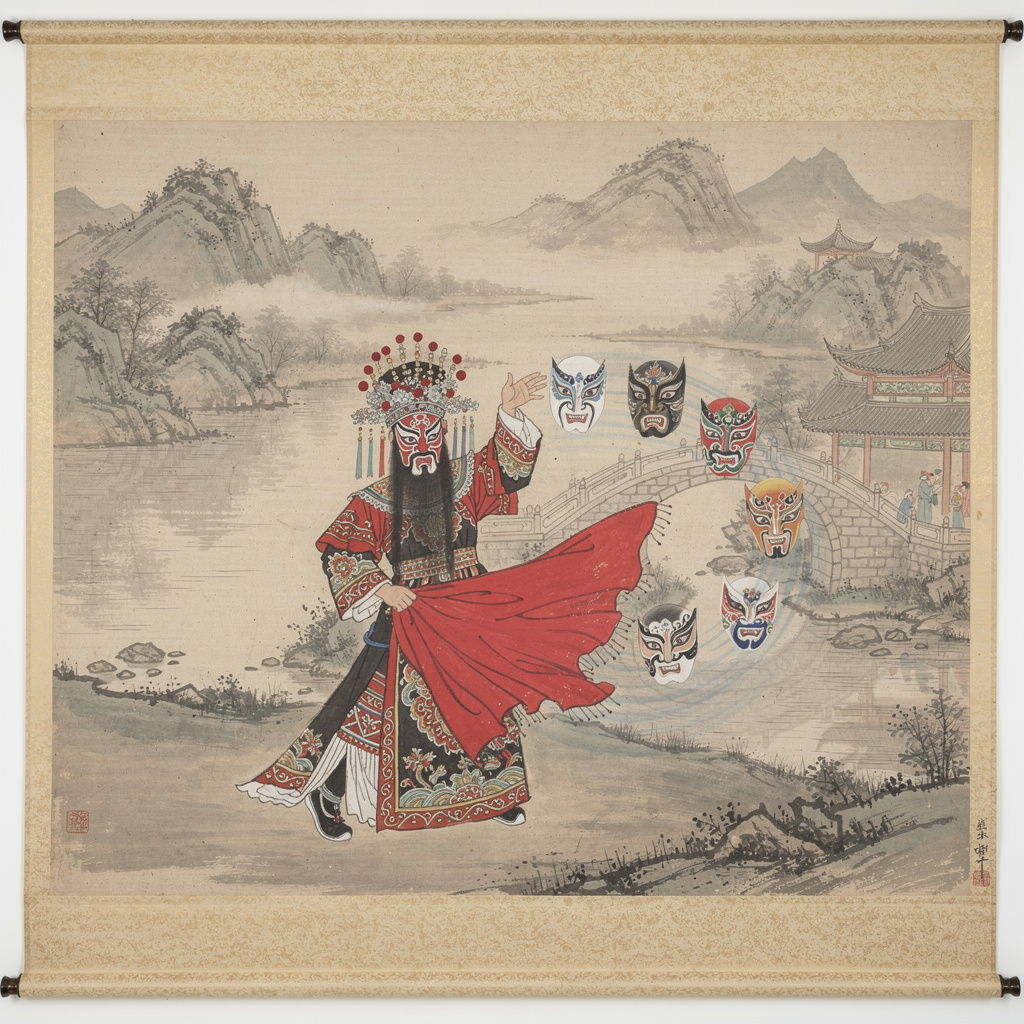
What makes bian lian truly extraordinary is the seamless fusion of technical mastery and artistic intention. A performer, adorned in elaborate embroidered robes and headdresses, stands poised under the spotlight. With a slight tilt of the chin, a graceful sweep of a sleeve, or a flick of the wrist, one face vanishes; and another appears. These transformations happen in less than a heartbeat, too fast for the eye to trace. A single performer may cycle through a cascade of identities: joy to fury, wisdom to deceit, divinity to mortality, all within the span of a musical phrase.
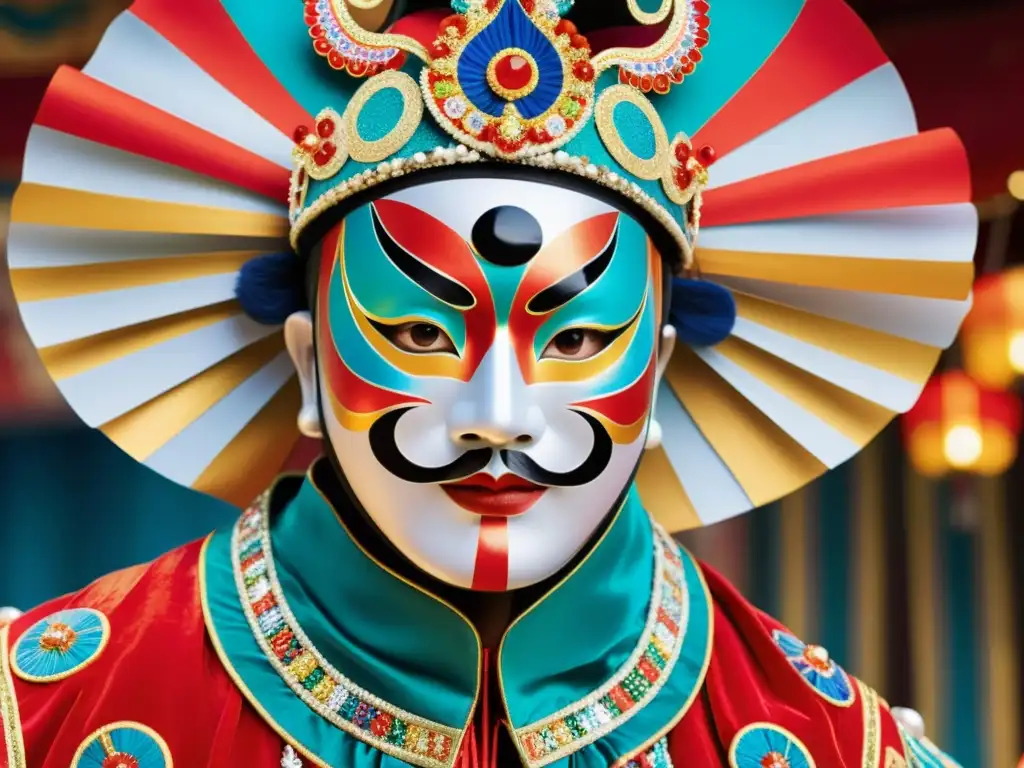
This breathtaking fluidity is protected by centuries of guarded tradition. The precise techniques of mask-changing were once considered a state secret, passed down only from master to chosen apprentice, sometimes within a single family lineage. Even today, many performers protect their methods closely, adding to the art’s aura of mystery. Audiences leave wondering: How is it done? Is it magnetism? Hidden threads? Ingenious layering? The secrecy is intentional—not to obscure, but to preserve the magic, ensuring that the focus remains on the emotional journey, not the mechanics behind it.
Each mask in bian lian carries symbolic weight. Colors and patterns follow a codified visual language inherited from Chinese opera: red signifies loyalty and courage; black denotes integrity and roughness; white suggests treachery or cunning; gold and silver often represent deities or supernatural beings. By shifting masks, the performer doesn’t just change appearance; they reveal the soul’s shifting landscape, making abstract emotions tangible, immediate, and universally legible.
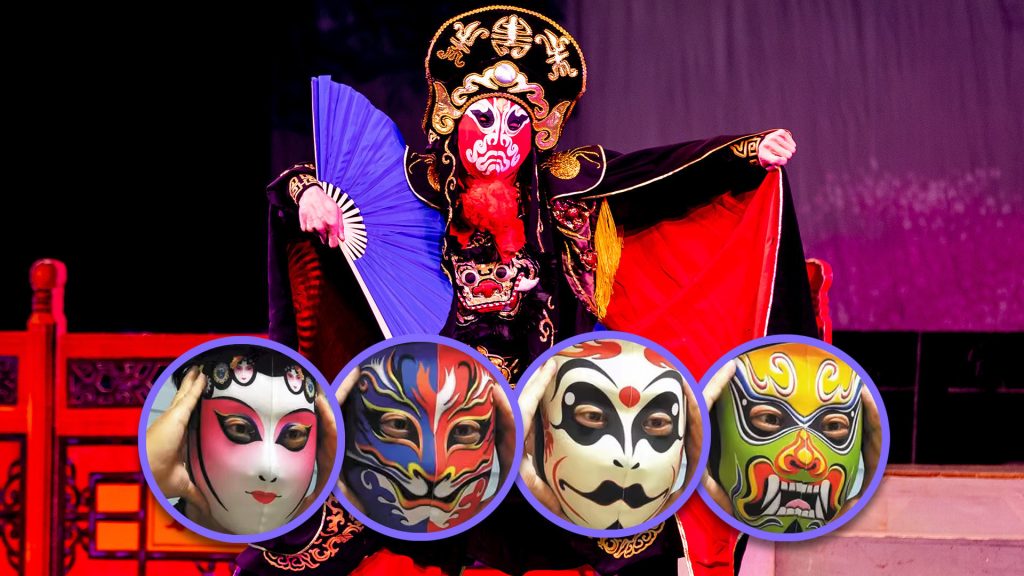
Cultural Heritage: From Local Stage to Global Icon
Bian lian is an essential pillar of Sichuan Opera, a traditional theatrical form recognized by UNESCO as part of China’s Intangible Cultural Heritage. Its value extends far beyond entertainment:
- Artistic Synthesis: It seamlessly integrates drama, music, dance, martial arts, and costume design into a single, cohesive performance.
- Cultural Identity: As a symbol of Sichuan’s regional heritage, it embodies the creativity, resilience, and aesthetic philosophy of its people.
- Emotional Resonance: By externalizing inner conflict through visual transformation, it invites audiences into a deeper empathetic connection with the narrative.
- Historical Continuity: Each performance carries forward centuries of ritual, storytelling, and craft; a living thread linking past and present.
In recent decades, bian lian has traveled far beyond the teahouse stages of Chengdu. It has dazzled viewers in international film productions, global theater festivals, and cultural exchange programs worldwide. From Beijing to Broadway, from Paris to Tokyo, the sudden flash of a transforming face has become one of the most recognizable visual signatures of Chinese performance art. Modern productions may incorporate advanced lighting, digital backdrops, or contemporary choreography; but the heart of bian lian remains unchanged. It is still a discipline of patience, precision, and profound respect for tradition.
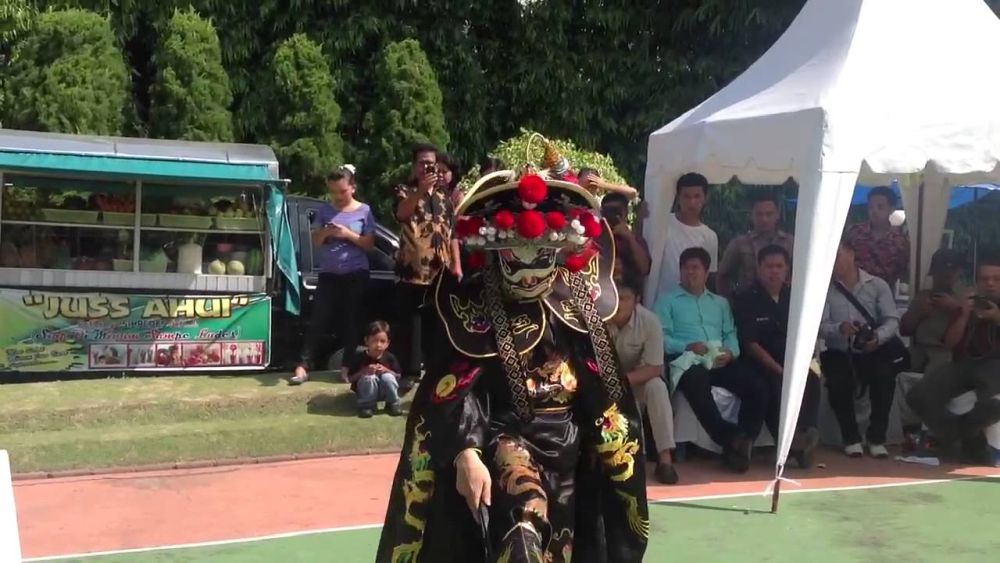
Preserving the Pulse: Training, Transmission, and Tomorrow
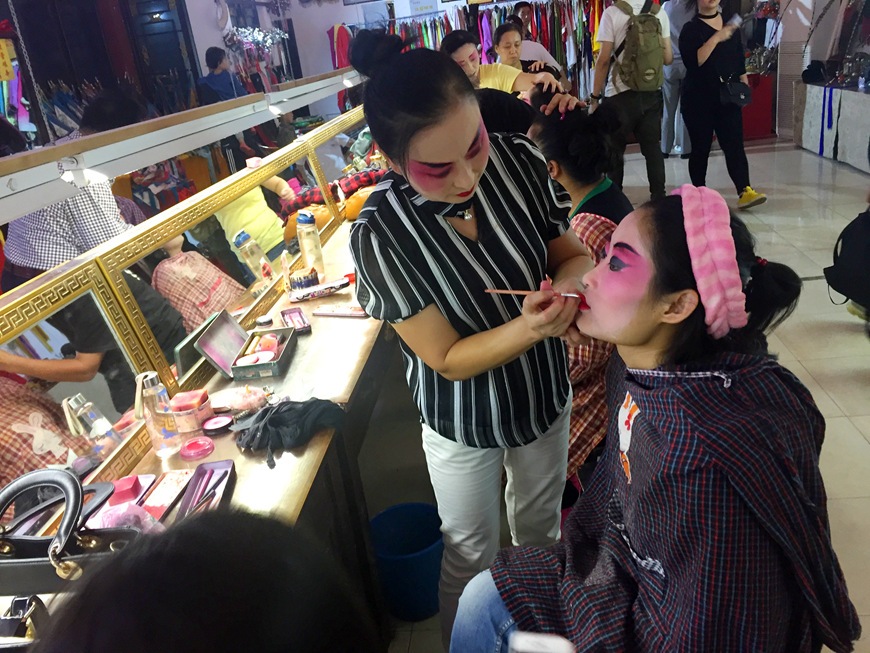
Today, institutions like the Kung Fu Xinglin Academy in Chengdu’s Luodai Ancient Town are helping to sustain this delicate art. Here, students don’t just learn the physical techniques of mask-changing; they immerse themselves in the broader ecosystem of Sichuan Opera—studying vocal styles, movement forms, historical context, and the philosophical underpinnings of Chinese theatrical expression. Training is rigorous: years of foundational practice in posture, breath control, and gesture precede even the first attempt at a mask change. Only when a student has internalized the emotional logic of a character are they entrusted with the mechanics of transformation.
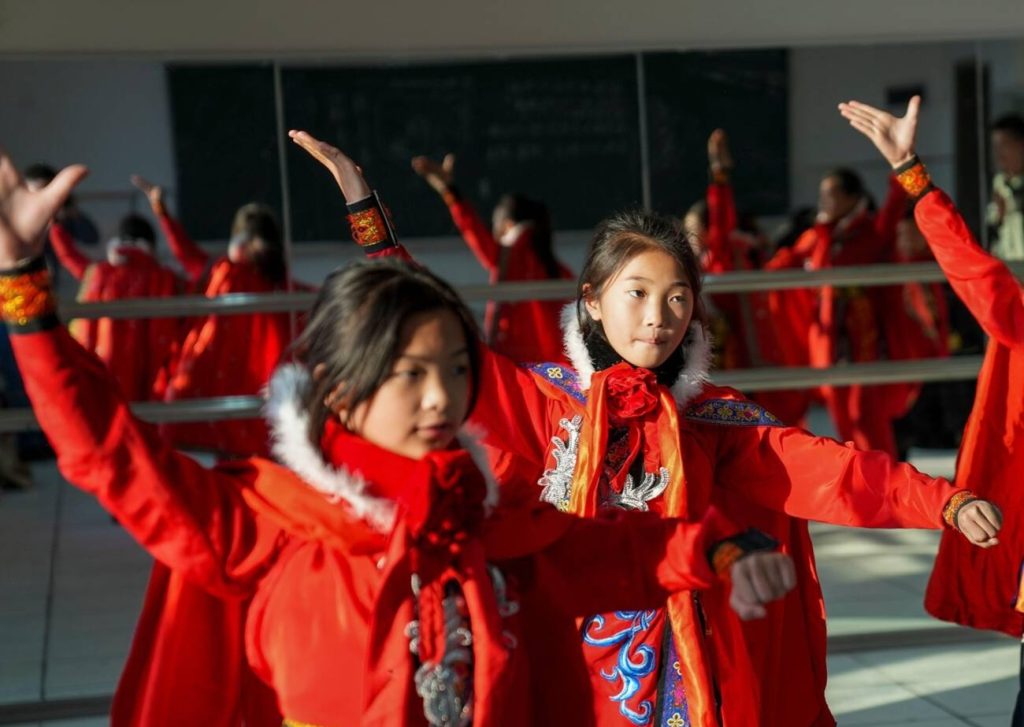
This commitment to holistic education ensures that bian lian does not become a mere party trick or exotic spectacle. Instead, it remains a living tradition—one that honors its roots while adapting to new audiences and contexts. Young performers are encouraged to innovate within boundaries, to find fresh ways to communicate timeless human experiences through this ancient visual vocabulary.
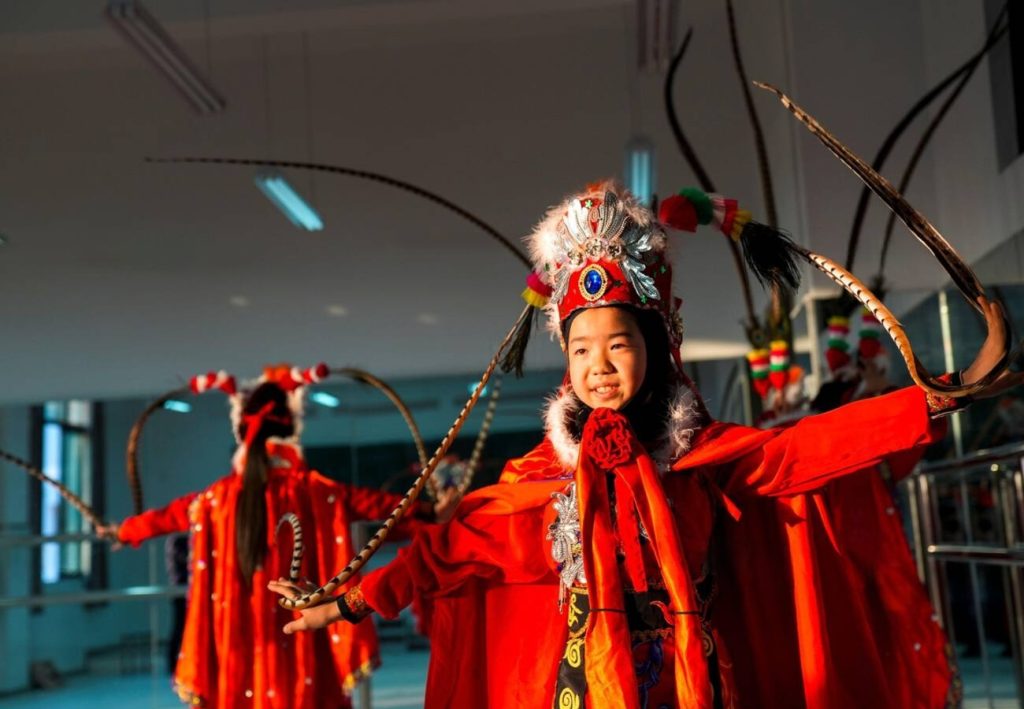
Why Bian Lian Still Matters
In an age of digital effects and instant gratification, bian lian offers something rare: a reminder that mystery has value, that skill takes time, and that culture lives not in museums, but in motion. To watch a face change in the blink of an eye is to witness more than illusion; it is to feel the pulse of a tradition that refuses to be frozen in time. It is to see how a community uses art to explore the complexities of the human heart: how we contain multitudes, how we shift roles, how we mask and reveal ourselves in the theater of everyday life.
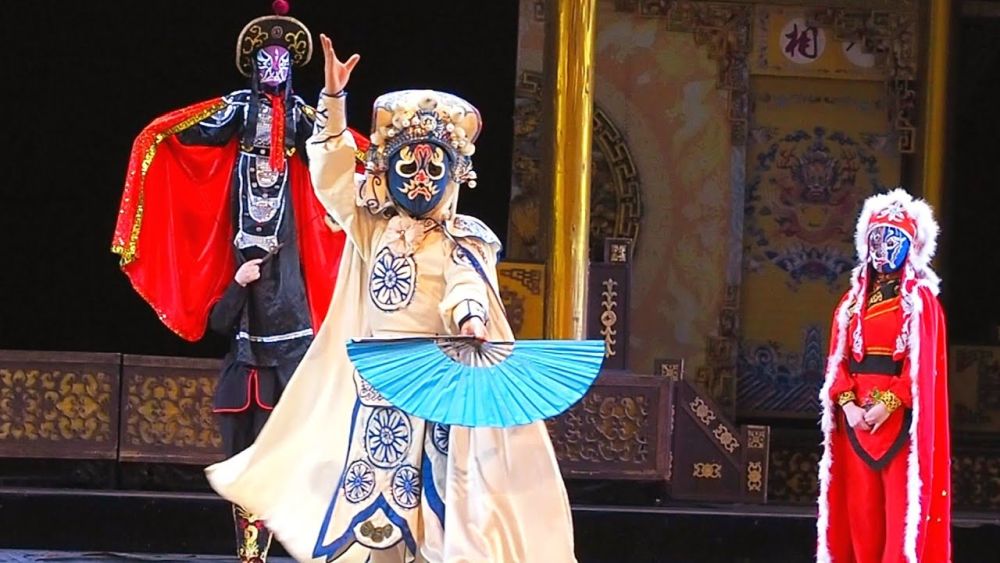
Bian lian endures not because it is old, but because it is alive. It breathes with each performance, adapts with each generation, and continues to ask us: What face will you show the world today? In its silent, swift transformations, we catch a glimpse of something profound—that identity is fluid, emotion is universal, and some cultural secrets, though closely guarded, are meant to be shared. They change faces, but never lose their soul.
Interested in experiencing bian lian firsthand or learning more about Sichuan Opera traditions? Cultural academies in Chengdu, such as those in the historic Luodai Ancient Town, offer workshops, performances, and immersive programs for visitors and students worldwide. Through respectful engagement and dedicated practice, the art of the changing face continues to inspire new generations; keeping an ancient whisper alive in a modern world.
Images : Web, chinadiscovery.com,
Video : Youtube
Text : Scribblegeist (Ghost of the runaway pencil)