The masks shown here belong to the rich tradition of Korean masked dance-drama known as Talchum, a form of folk performance that combines dance, satire, music, storytelling, and spiritual symbolism. These masks are not merely decorative objects; they were living theatrical tools worn by performers who entertained villages, mocked the powerful, frightened evil spirits, and reflected the emotions of ordinary people.
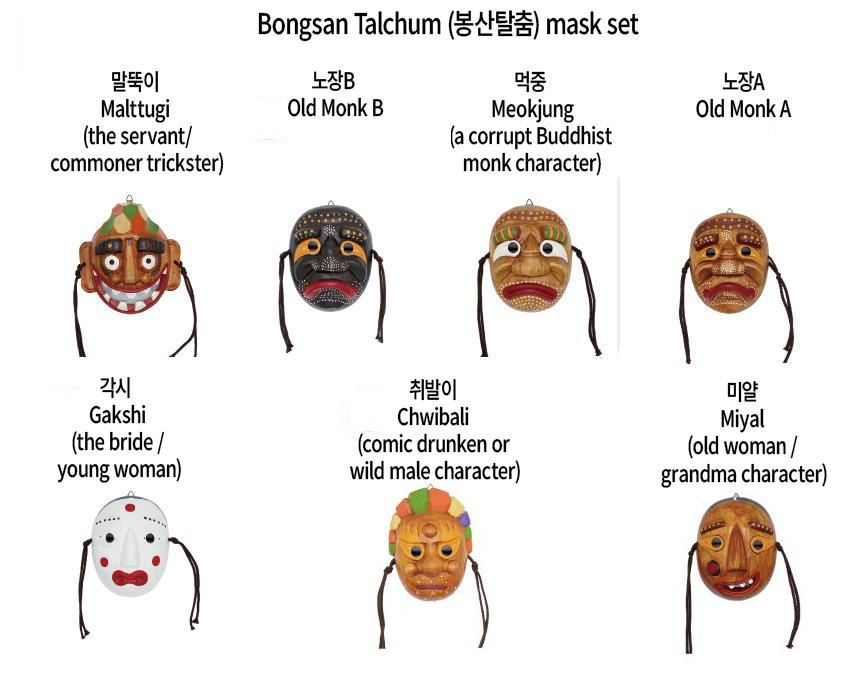
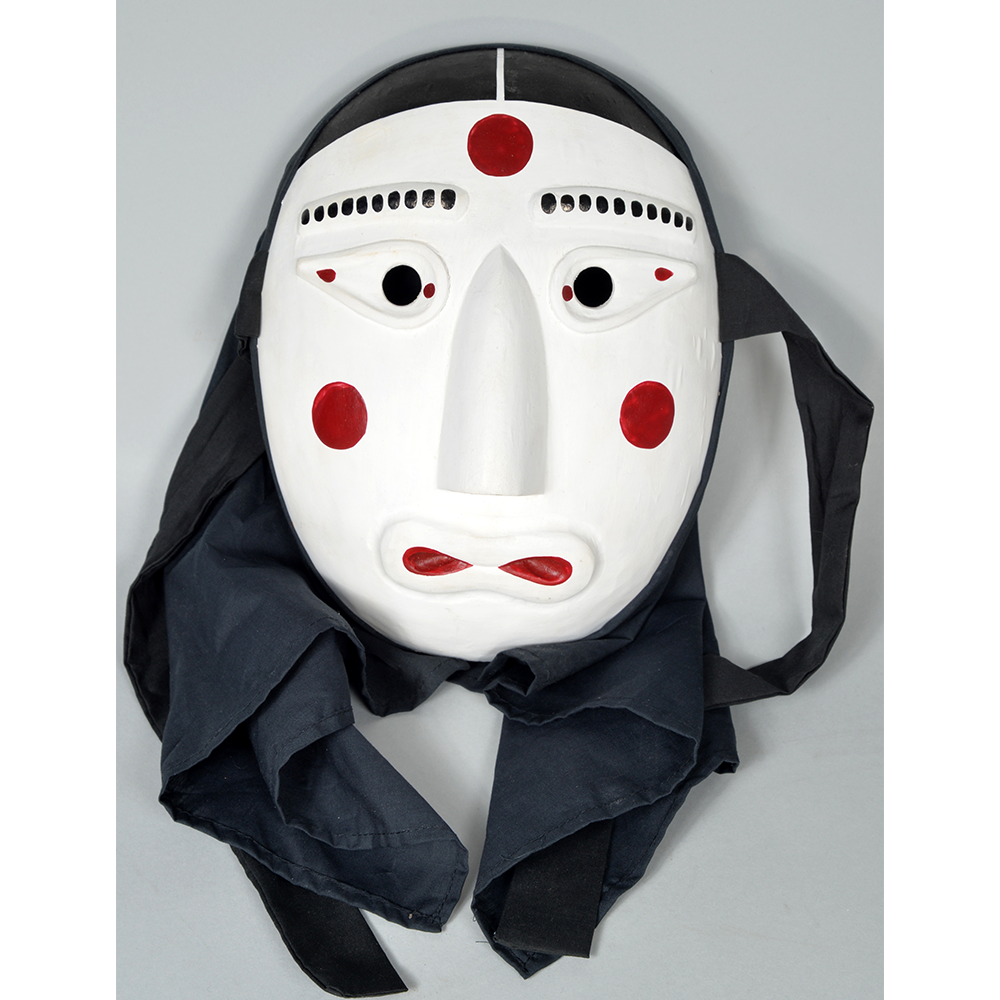
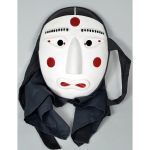 The white mask with red circles is most likely a representation of Gakshi, a young bride or noblewoman figure frequently appearing in Korean folk theatre. Her calm expression, pale face, and delicate features symbolize beauty, innocence, and social expectation. In many performances, the Gakshi character becomes part of stories involving marriage, desire, jealousy, or the restrictions placed upon women within traditional Korean society. The simplicity of the face is intentional. Korean mask carving often relied on restraint rather than excessive detail, allowing movement, shadow, and performance to give life to the character. (Private Collection)
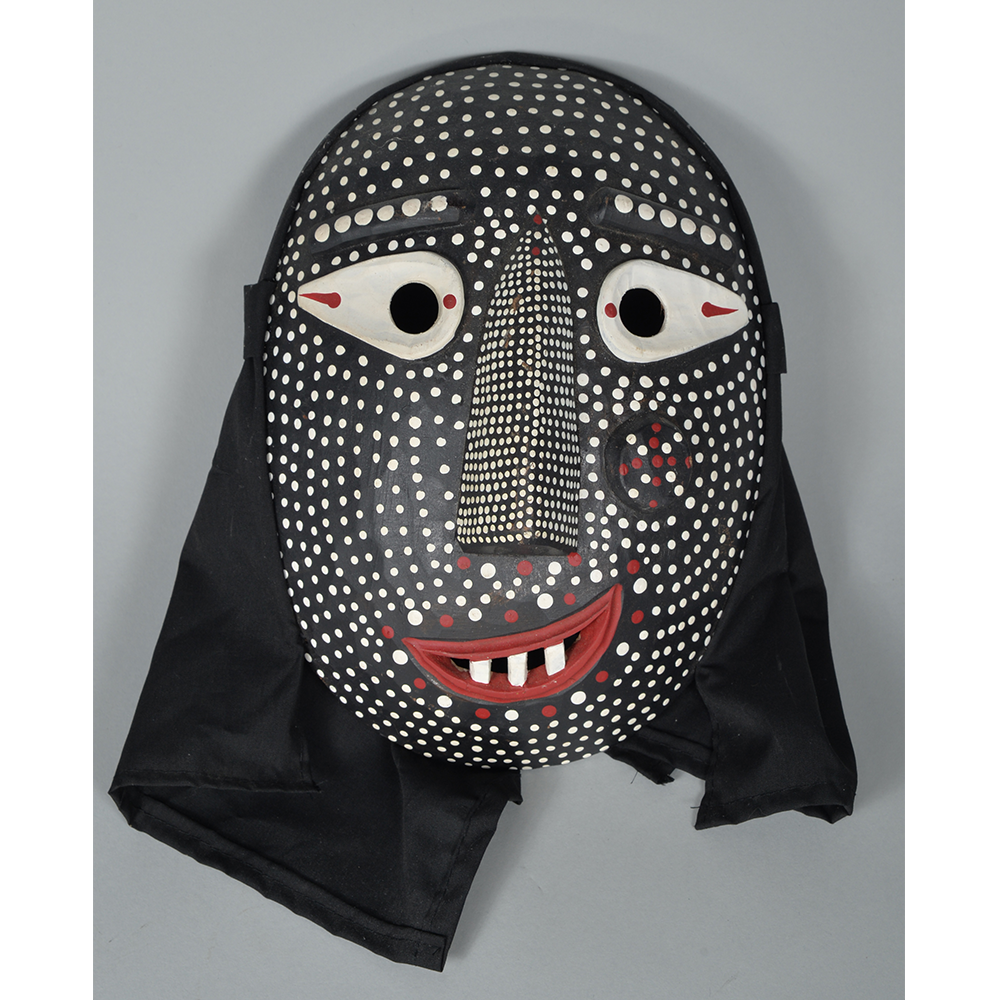
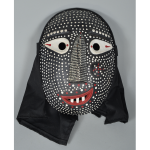 The black mask covered in white dots appears related to Miyal Halmi, an elderly woman figure found in several regional Talchum traditions. Unlike the serene bride, Miyal Halmi is tragic, comic, unsettling, and deeply human all at once. She often represents poverty, aging, abandonment, or suffering within common village life. In some stories, she is the neglected old wife of a man who pursues younger women. Performances involving her can move suddenly between absurd humor and genuine sadness. The exaggerated smile and exposed teeth seen on masks of this type reflect the theatrical nature of Korean folk satire, where emotions are intentionally amplified. (Private Collection)
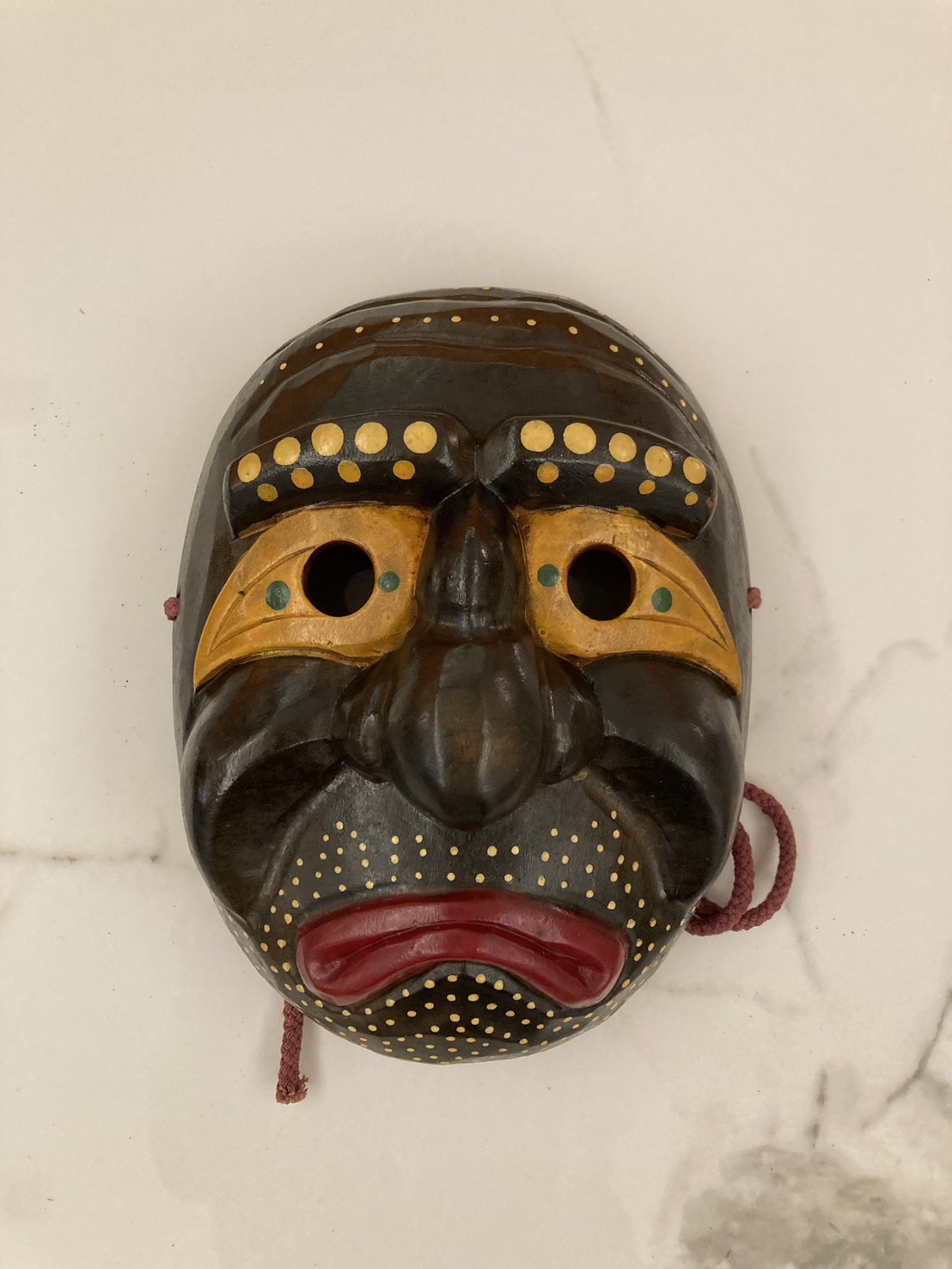
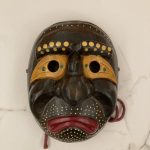 This is also a Korean Talchum-style mask, and it represent an older male character most likely a variant of Nojang (노장), the “old monk B” character from Bongsan Talchum or a related regional mask tradition. In Talchum, Nojang is usually a corrupt, aging Buddhist monk — often mocked for hypocrisy, lust, vanity, or drunkenness. Korean folk theatre loved exposing religious and aristocratic hypocrisy through humor and grotesque exaggeration. This mask has a more melancholic expression than comic ones like Malttugi or Chwibali. The downturned red mouth and tired eyes give it almost a tragic dignity. That emotional ambiguity is very characteristic of Korean mask carving: comedy and sadness mixed together. (Private Collection)
Talchum itself emerged from multiple regional traditions across Korea, especially during the late Goryeo and Joseon periods. While exact origins are difficult to trace, the performances became particularly important among common people who used humor and theatre to criticize rigid social structures. Aristocrats, corrupt monks, greedy officials, and hypocritical scholars were common targets. In a deeply hierarchical society, Talchum gave ordinary villagers a rare public space where laughter could temporarily reverse social order.
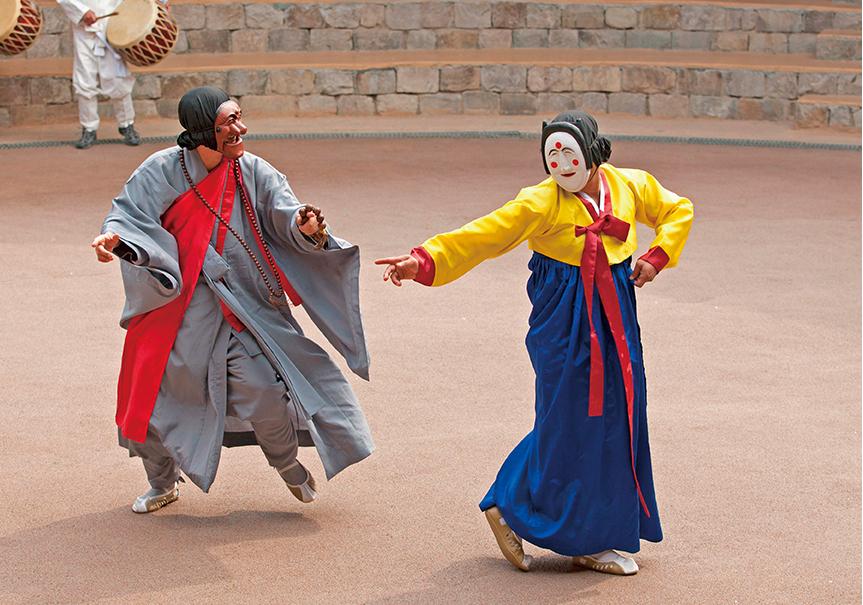
The masks carried both theatrical and spiritual meaning. Historically, masks in Korea were believed to possess protective or supernatural qualities. Some were associated with shamanistic rituals intended to drive away disease or evil spirits. Others were burned after performances because they were considered spiritually charged objects rather than reusable props. This connection between theatre and ritual can still be felt in the expressions carved into the wood. Korean masks rarely aim for perfect realism. Instead, they exaggerate emotional essence: arrogance, foolishness, seduction, sorrow, or greed.
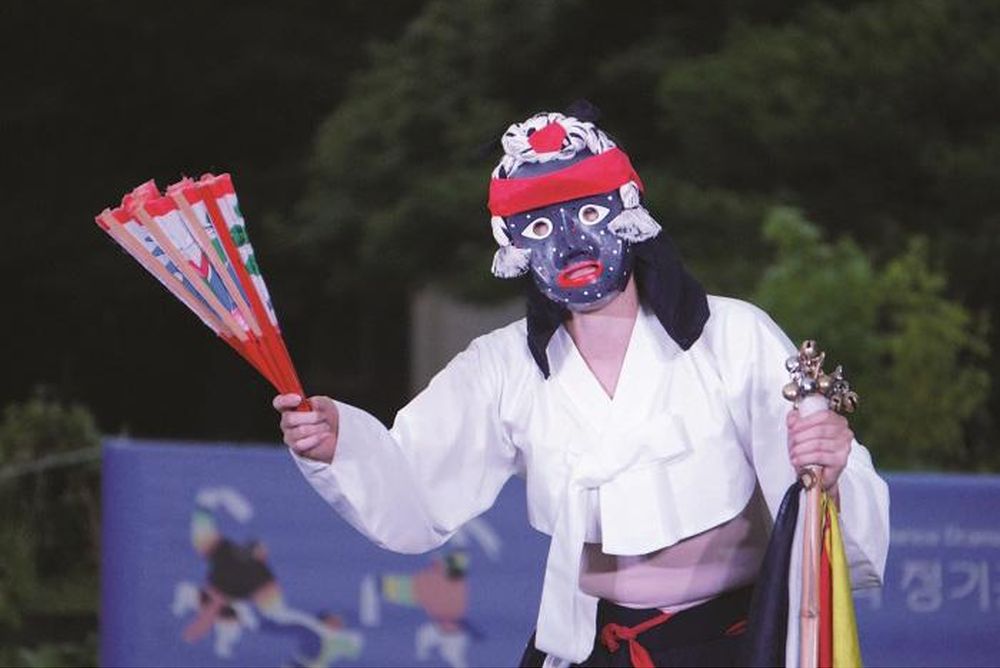
The movement of the performers was equally important. Talchum actors danced with flowing sleeves and rhythmic steps accompanied by drums, flutes, and cymbals. The fixed expression of the mask changed depending on the angle of the head and the movement of the body. A mask could appear smiling from one direction and sorrowful from another. This subtle illusion became one of the defining artistic features of Korean mask theatre.
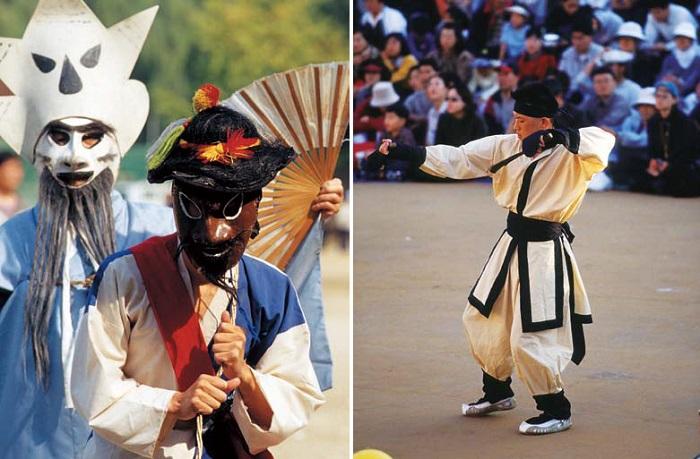
Today, Talchum survives both as a preserved cultural heritage and as a living art form. Performances continue in South Korea during festivals and cultural events, while original masks are displayed in museums and private collections around the world. Yet even separated from the stage, the masks still carry a powerful presence. The white bride mask and the dotted elder mask together reflect one of the central themes of Korean folk theatre: the contrast between beauty and decay, youth and age, dignity and absurdity, all woven into the shared human comedy of life.
Images : Private Collection (Image Featured), Web
Text : Scribblegeist (Ghost of the runaway pencil)