Nestled in the verdant plains of southern Taiwan, the charming Hakka town of Meinong (美濃) is a living testament to cultural preservation and artisanal excellence. While known for its idyllic rural landscapes, tobacco farming, and rich Hakka heritage, Meinong holds a particularly delicate and vibrant secret: its exquisite oil paper umbrellas. More than just an everyday accessory, these handcrafted umbrellas are a profound symbol of Hakka identity, a canvas for artistic expression, and a tangible link to centuries of tradition. Step into Meinong, and you step into a world where utility, art, and history gracefully intertwine under the shelter of a beautifully crafted oil paper umbrella.
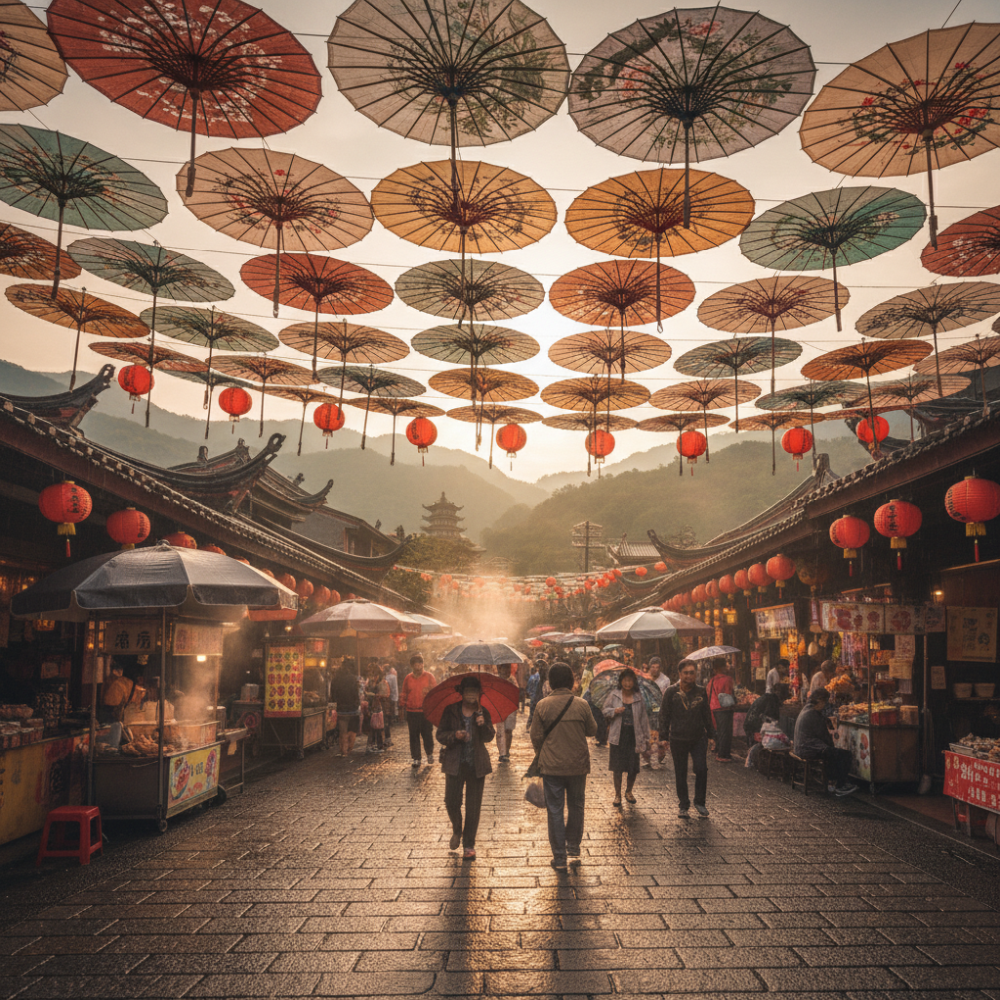
Meinong: A Hakka Haven
Meinong’s unique connection to oil paper umbrellas is deeply rooted in its Hakka identity. The Hakka people, a distinct Han Chinese subgroup, migrated over centuries from northern China to various parts of East and Southeast Asia, including Taiwan. Known for their resilience, diligence, and strong cultural preservation, the Hakka settlers brought with them a wealth of traditions, one of the most cherished being the craft of oil paper umbrellas.
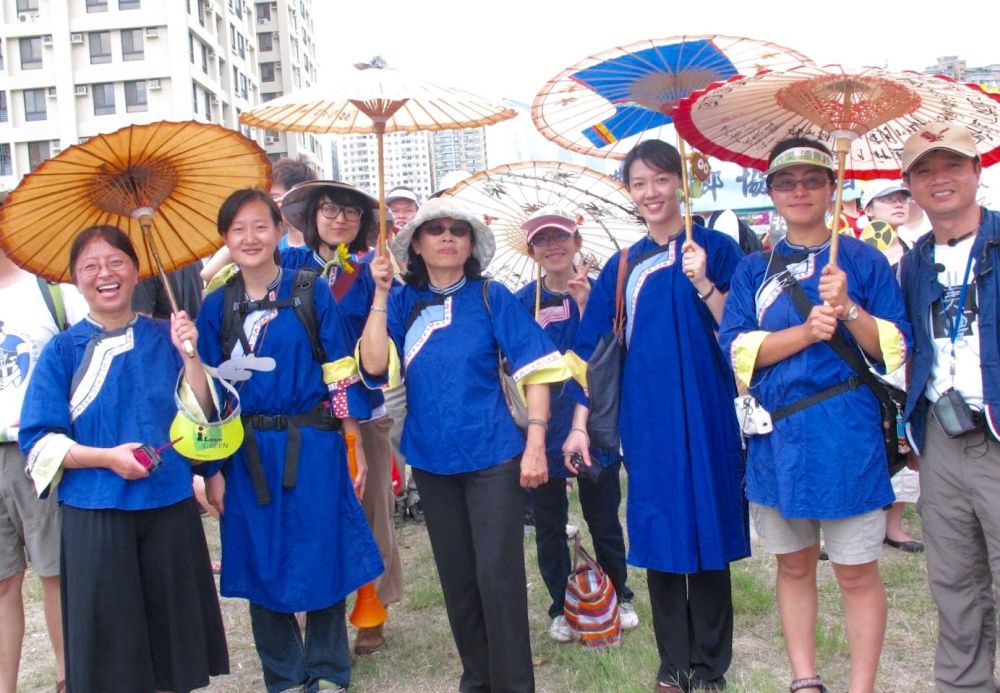
For these early settlers, the umbrella was an indispensable tool, offering protection from Taiwan’s intense sun and frequent rains. Over time, Meinong, with its suitable climate for growing bamboo (a key material) and its isolated geography that fostered the retention of traditional crafts, became a prominent center for umbrella production. The craft became synonymous with the town, a proud emblem of its Hakka spirit.
The Ancient Art of Oil Paper Umbrellas (油紙傘) : A Brief History
The origins of oil paper umbrellas can be traced back to China, dating back possibly more than 1,000 years. Initially used by royalty and the elite, they gradually became common among the populace. When Hakka immigrants brought the craft to Taiwan, it found a new home and a distinctive character in Meinong.
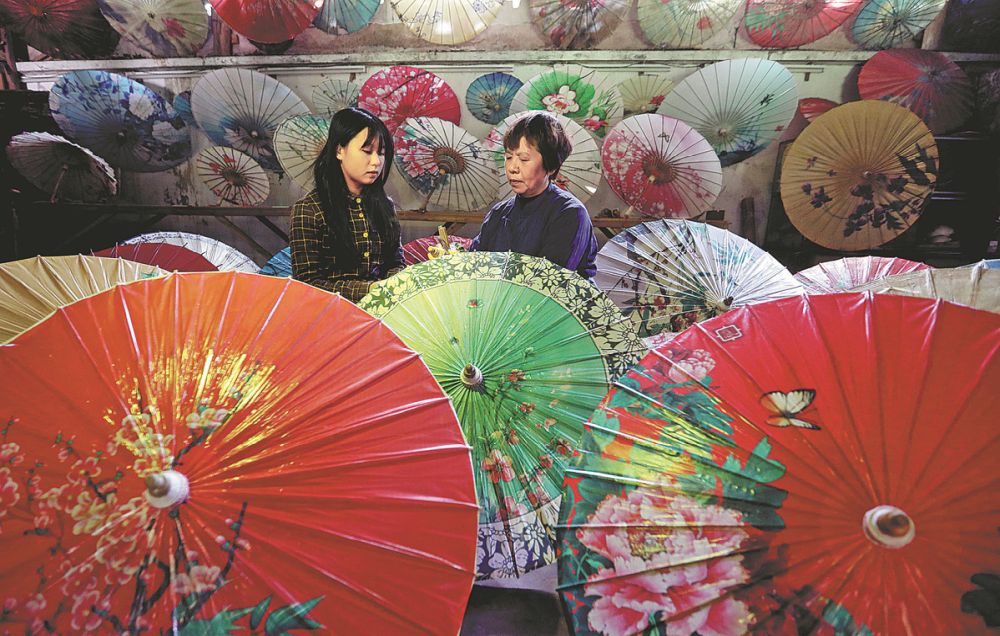
The term “oil paper umbrella” itself is descriptive: “油紙傘” (yóuzhǐsǎn). “油” (yóu) refers to tung oil, traditionally used for waterproofing, and “紙” (zhǐ) means paper, which forms the canopy. Historically, these umbrellas served practical purposes for farmers and travelers, but their significance extended far beyond mere utility. They became important ceremonial items, often gifted during significant life events.
A Symphony of Craftsmanship: The Making Process
Creating a Meinong oil paper umbrella is a painstaking process, demanding skill, patience, and adherence to time-honored techniques. Each umbrella is a labor of love, typically involving over a hundred individual steps, from raw materials to finished product.
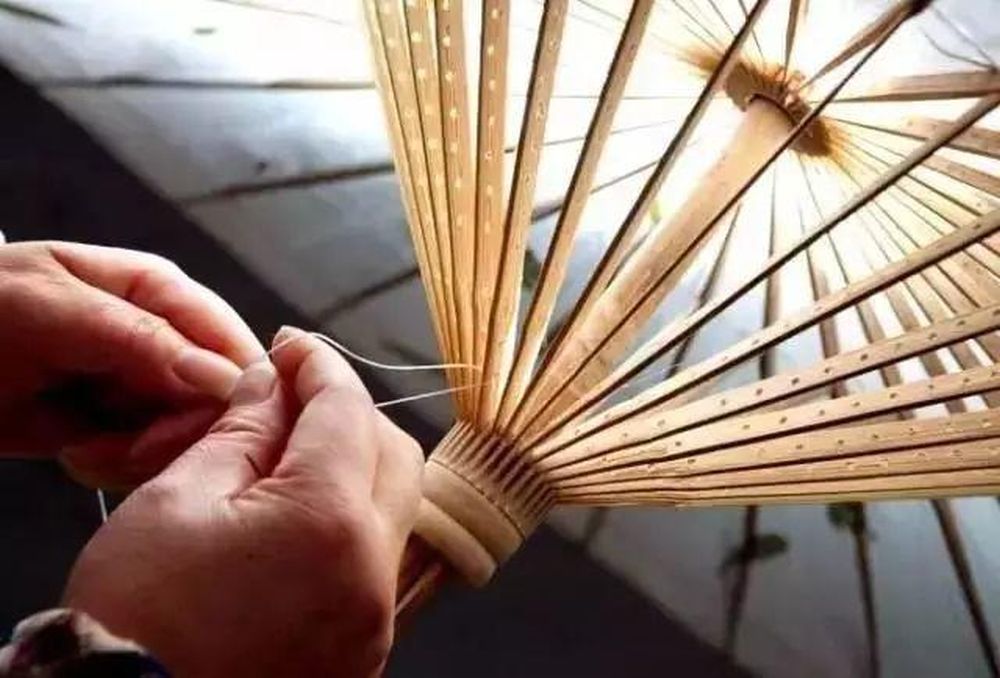
Bamboo Frame Construction : The heart of the umbrella is its bamboo frame. Meinong’s local bamboo is carefully selected, cut, planed, and carved into the delicate ribs and handle. Each piece is precisely shaped and then meticulously tied together with cotton thread, forming a strong yet flexible skeleton.
Paper Application : Layers of strong, handmade Mian paper (cotton paper) are then carefully pasted onto the bamboo frame. This step requires immense precision to ensure an even, smooth surface without wrinkles or bubbles. Multiple layers are applied to achieve the desired strength and opacity.
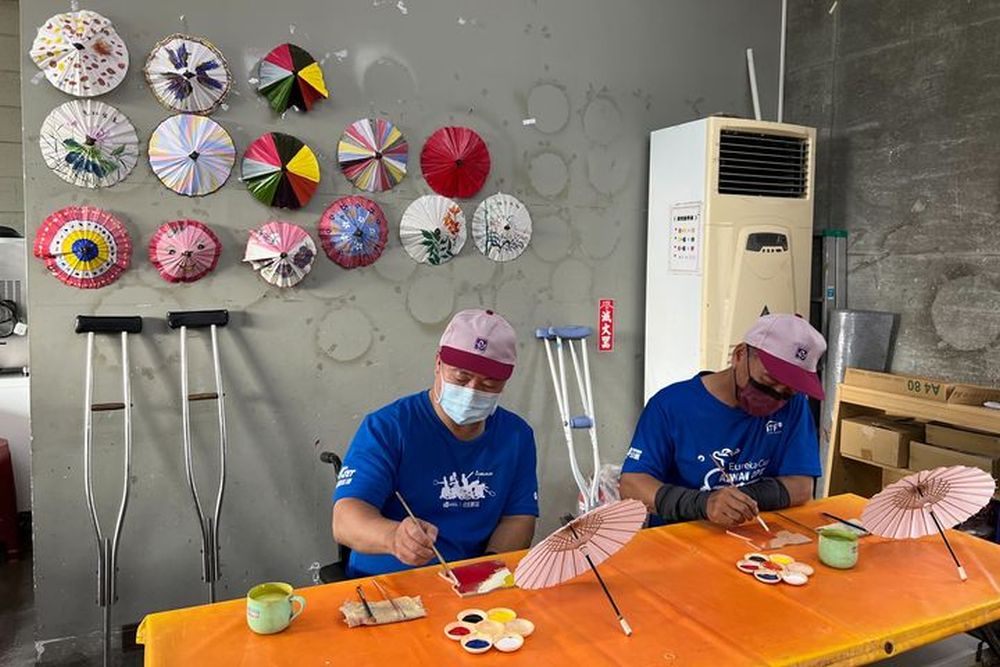
Artistic Embellishment : Once the paper is dry, the umbrella becomes a canvas for artisans. Traditional motifs include vibrant floral patterns (peonies, plum blossoms), auspicious symbols (dragons, phoenixes), landscapes, and intricate calligraphy. These paintings are not merely decorative; they often carry deep cultural meanings and blessings.
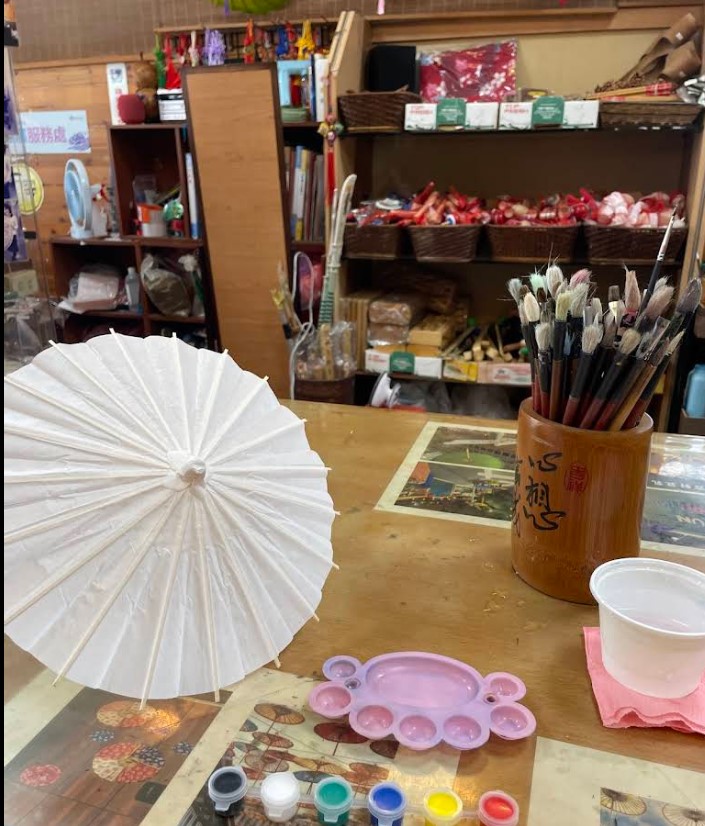
Tung Oil Treatment : The final, crucial step is the application of natural tung oil. This plant-based oil is brushed onto the paper, waterproofing it and giving it a distinct translucent sheen. The umbrellas are then left to dry and cure in the sun, a process that can take several days or even weeks, depending on the weather. This tung oil treatment also imparts a unique, subtle aroma that many find appealing.
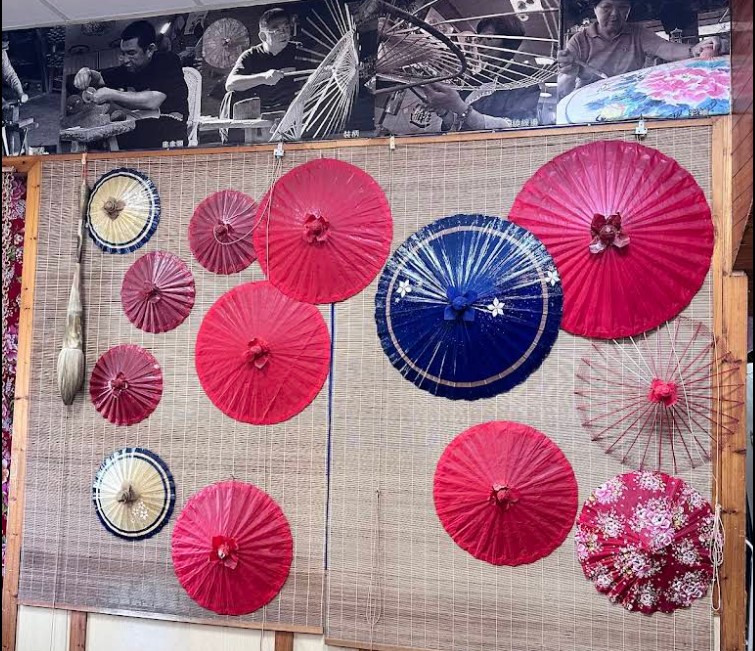
Beyond the Rain: Cultural Significance
In Meinong, the oil paper umbrella is far more than just a beautiful object; it is imbued with layers of cultural meaning and symbolism, particularly within Hakka culture:
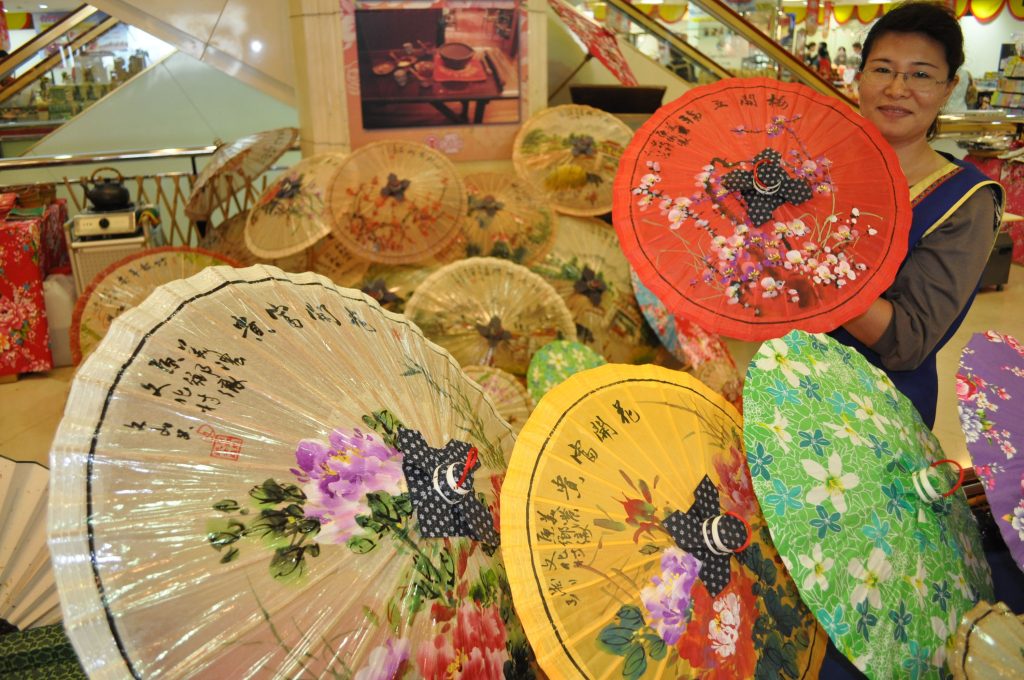
Auspicious Symbolism : The Hakka word for “paper” (紙, zhǐ) is a homophone for “子” (zǐ), meaning “son.” Therefore, gifting an oil paper umbrella often symbolizes a wish for many sons or a thriving lineage. The circular shape of the umbrella also represents completeness and reunion.
Weddings : Traditionally, oil paper umbrellas are part of wedding dowries, symbolizing a prosperous and harmonious marriage and a wish for many children. The umbrella protects the bride as she enters her new home.
New Homes & Business Openings : Gifting an umbrella for a new home signifies protection and peace, while for a new business, it symbolizes good fortune and prosperity.
Protection and Blessings : Throughout Hakka life, the umbrella is seen as a protective charm, warding off evil spirits and bringing good luck.
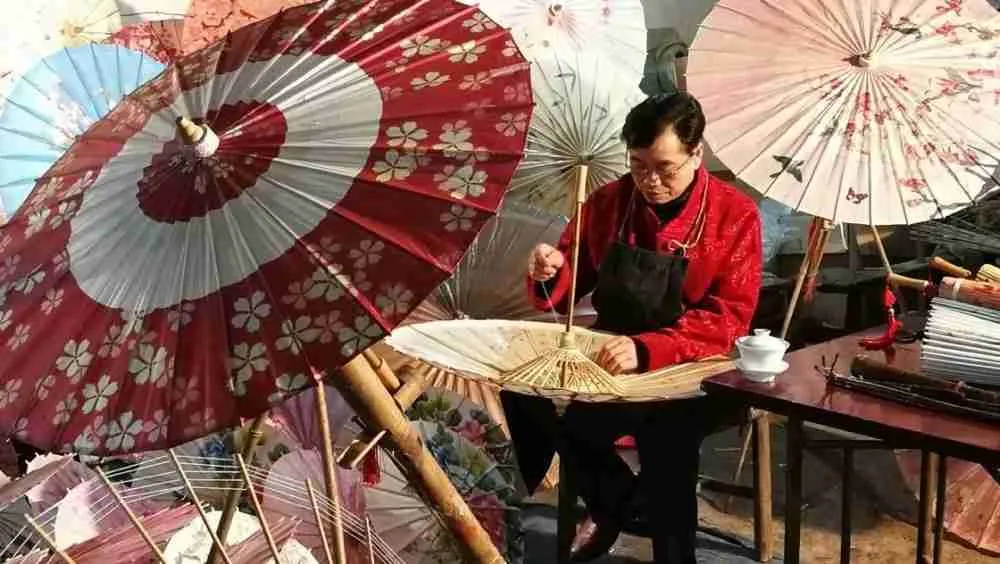
Modern Revival and Tourist Appeal
Like many traditional crafts, the oil paper umbrella faced challenges with the advent of modern, mass-produced alternatives. However, in Meinong, dedicated artisans and cultural enthusiasts spearheaded a revival. Recognizing the umbrellas’ artistic and cultural value, efforts were made to reintroduce them not just as practical items, but as cherished pieces of art and cultural heritage.
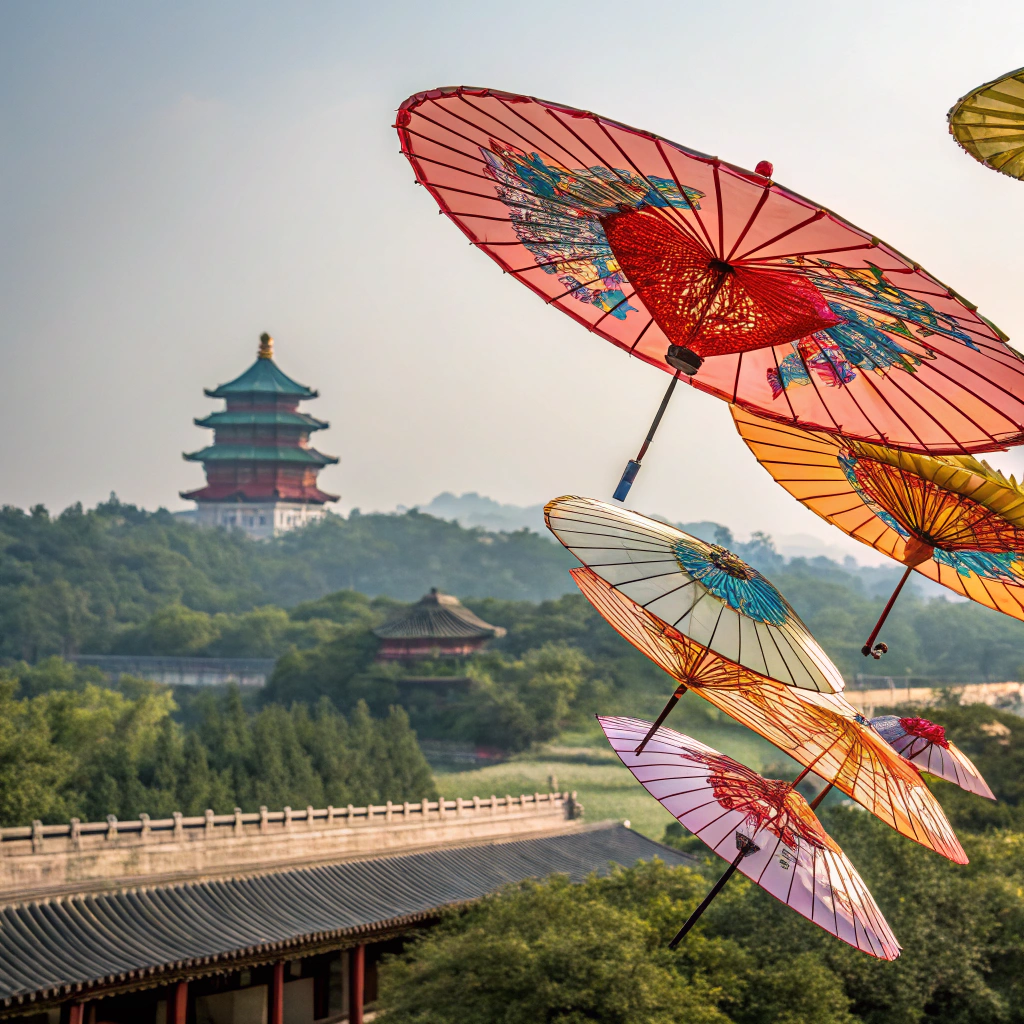
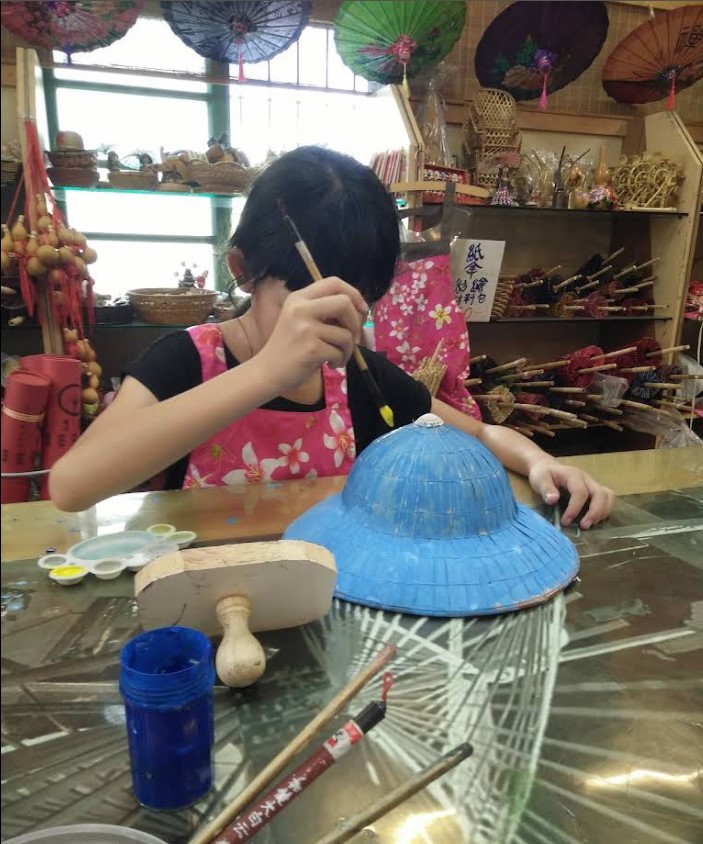
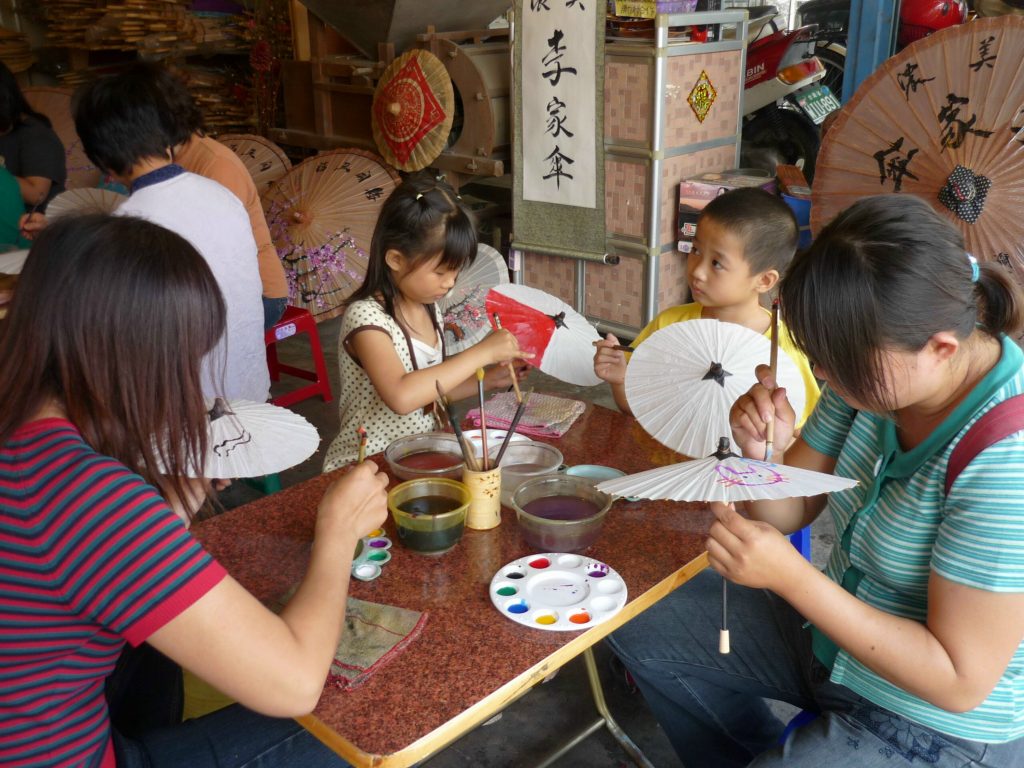
Today, Meinong’s oil paper umbrellas are a significant tourist attraction. Visitors flock to the town to explore workshops like the Guangjin Cultural Workshop, where they can witness the intricate crafting process firsthand, interact with master artisans, and even try their hand at painting their own mini umbrellas. These workshops serve as vibrant hubs for education, preservation, and commerce, ensuring the legacy of the craft continues to thrive. The umbrellas are now popular souvenirs, decorative items, and unique gifts, appreciated for their craftsmanship and cultural narrative.
Preserving a Delicate Legacy
The future of Meinong’s oil paper umbrellas hinges on a delicate balance between tradition and innovation. Challenges remain, including attracting young people to dedicate themselves to the arduous training required, the rising cost of raw materials, and competing with cheaper, mass-produced goods.
However, through government support, cultural festivals, educational initiatives, and the tireless efforts of local artisans, this precious craft continues to find new life. Artisans are also experimenting with new designs, smaller sizes for decorative purposes, and modern interpretations of traditional motifs to appeal to a broader audience while staying true to the craft’s roots.
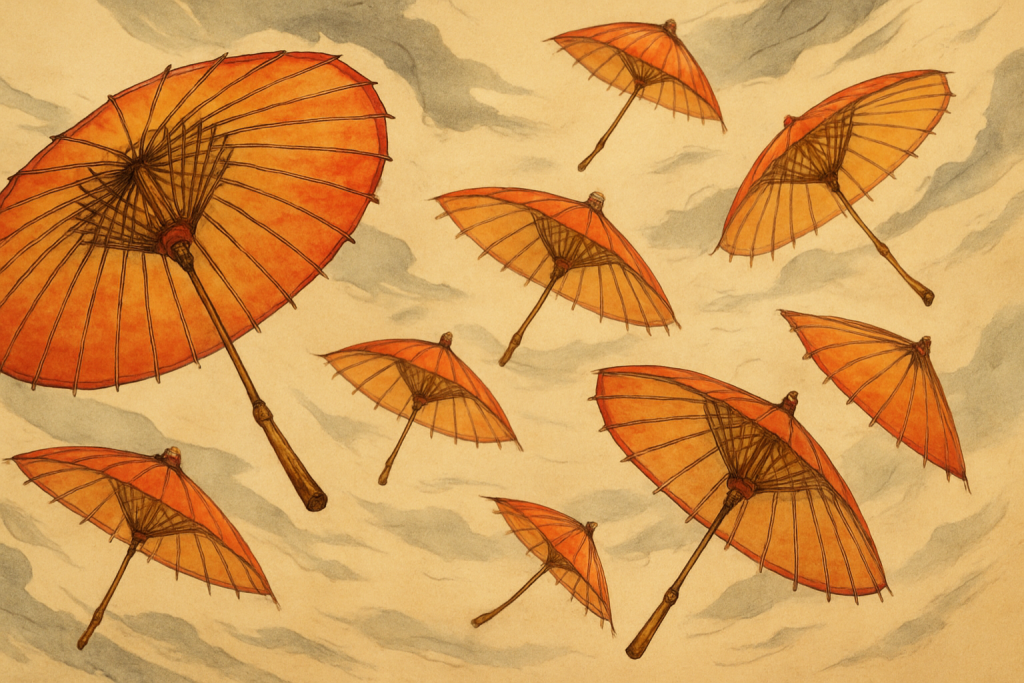
The oil paper umbrellas of Meinong are far more than mere shields against the sun and rain; they are vivid expressions of Hakka identity, meticulously crafted pieces of art, and silent storytellers of a rich cultural past. Each umbrella unfurls a narrative of resilience, tradition, and beauty, hand-painted with wishes and blessings. To hold a Meinong oil paper umbrella is to hold a piece of Taiwan’s living heritage, a testament to the enduring power of human ingenuity and cultural pride. As you stroll through Meinong, allow yourself to be captivated by these sheltering stories, gently swaying in the breeze, inviting you to appreciate the delicate strength and profound beauty of an ancient art form that continues to thrive.
Source : Taiwan Tourism Administration, Taipei
Images : web, Google maps
Text : Scribblegeist (Ghost of the runaway pencil)