Introduction
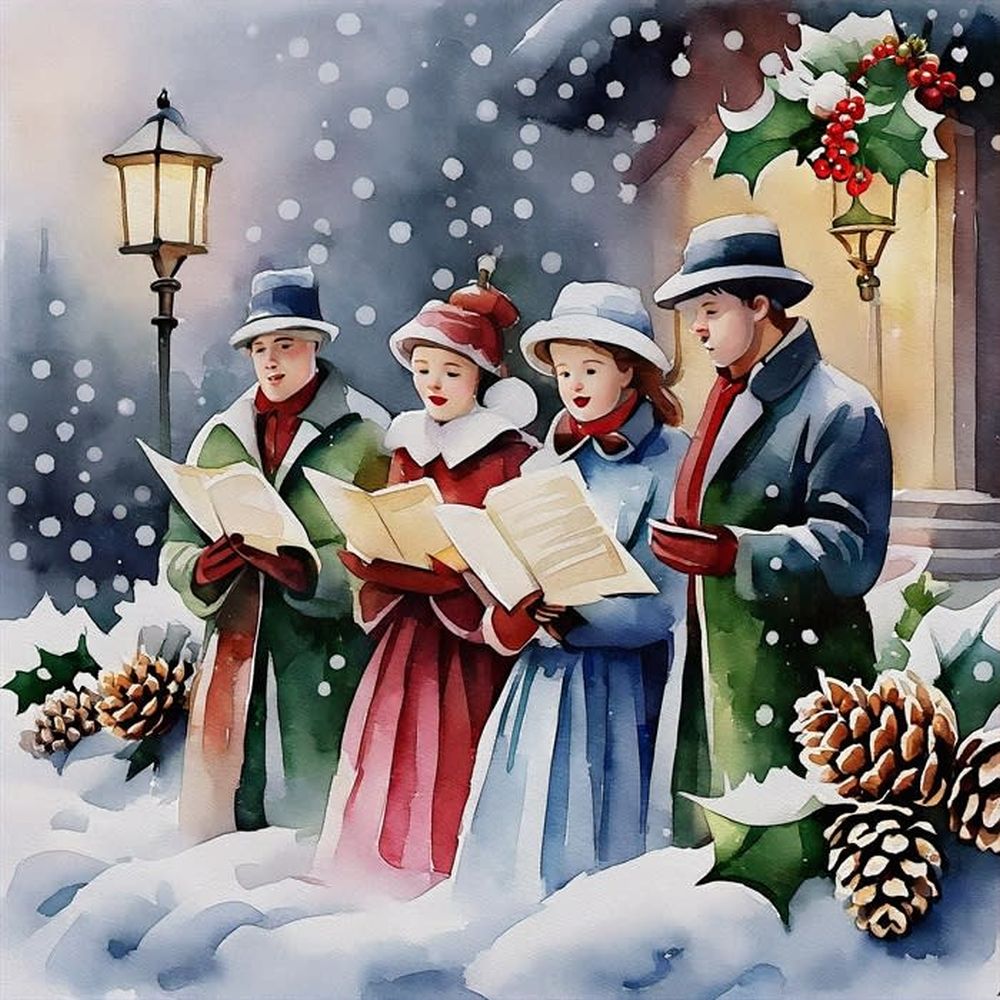
On a serene Christmas Eve in 1818, in the small Austrian village of Oberndorf bei Salzburg, a simple yet profound carol was performed for the first time. “Silent Night,” originally titled Stille Nacht, heilige Nacht, captured the essence of peace and divine wonder.
Composed amid the lingering shadows of the Napoleonic Wars, this carol has transcended its humble origins to become one of the most beloved Christmas songs worldwide, sung in churches, homes, and even battlefields. Its enduring appeal lies in its gentle melody and lyrics that evoke tranquility, making it a symbol of hope that resonates deeply in our turbulent modern world.
The History of Its Creation
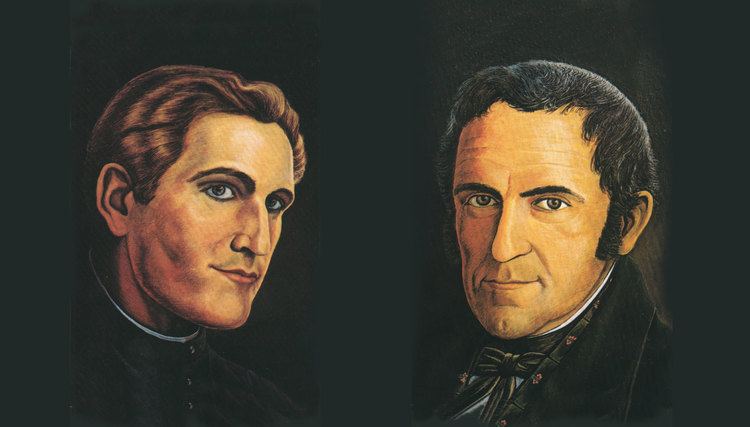
The story of “Silent Night” begins with Joseph Mohr, a young assistant priest born in 1792 in Salzburg, Austria. In 1816, while stationed in Mariapfarr, a region still recovering from the devastation of the Napoleonic Wars. Mohr penned the lyrics as a poem. The words reflected a longing for peace and serenity in a time of hardship. Two years later, in 1818, Mohr was serving at St. Nicholas Church in Oberndorf.
Legend has it that the church organ was damaged; possibly by flooding from the nearby Salzach River or even mice gnawing on the bellows; rendering it unplayable for the midnight mass. Desperate for music, Mohr approached Franz Xaver Gruber, a schoolmaster and organist from the neighboring village of Arnsdorf. On December 24, Mohr shared his poem, and Gruber composed a simple melody with guitar accompaniment that very evening. This collaboration birthed a lullaby-like tune that perfectly complemented Mohr’s evocative words.
The First Performance
That Christmas Eve, during the midnight service at St. Nicholas Church, “Silent Night” was sung publicly for the first time. Mohr played the guitar and sang the bass, while Gruber provided the tenor vocals and choir support. The congregation, moved by the gentle melody, embraced the carol immediately. Though the original church was later destroyed by repeated flooding and replaced by the Silent Night Chapel, the site remains a pilgrimage spot, drawing visitors to honor this historic moment.
The Meaning Behind the Lyrics
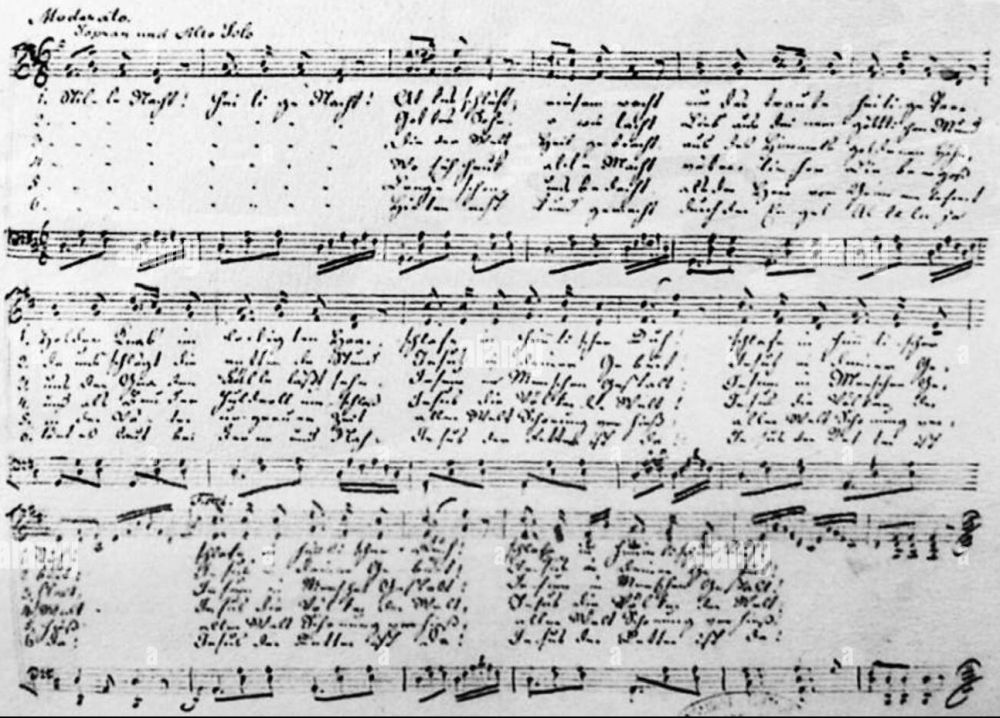
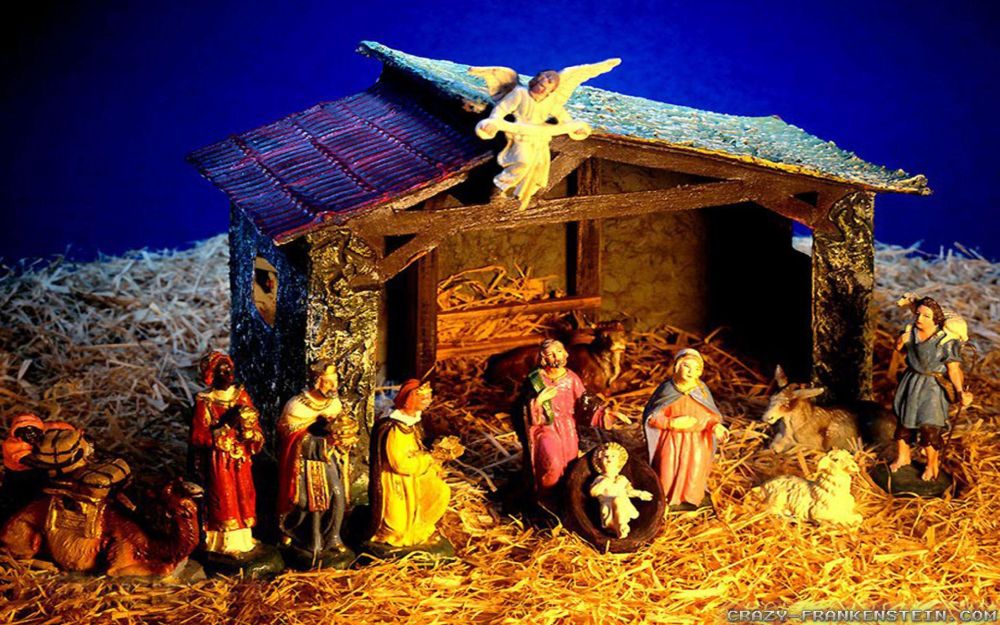
Mohr’s original six-verse poem paints a vivid picture of the Nativity, emphasizing themes of peace, divine love, and redemption. The opening lines “Silent night, holy night! All is calm, all is bright”, set a scene of tranquil holiness, with the virgin mother and child at its center. Subsequent verses reference the shepherds’ awe at the angels’ announcement and the redeeming power of Christ’s birth, with phrases like “Radiant beams from Thy holy face / With the dawn of redeeming grace.” The carol’s lullaby quality underscores a sense of tender intimacy, inviting listeners to reflect on the miracle of incarnation amid quiet reverence. At its core, “Silent Night” is a meditation on hope emerging from stillness, a message born from Mohr’s own experiences of war and poverty.
Global Impact and Spread
From its Austrian roots, “Silent Night” quickly spread across Europe and beyond. In the 1830s, organ builder Karl Mauracher carried the composition to the Zillertal Valley, where folk singing families like the Strassers and Rainers adopted it into their repertoires. The Rainers performed it for royalty, including Emperor Franz I of Austria and Tsar Alexander I of Russia, and brought it to the United States in 1839 during a concert in New York City. By the mid-19th century, it had reached Prussia and beyond, evolving slightly in melody to its current form.
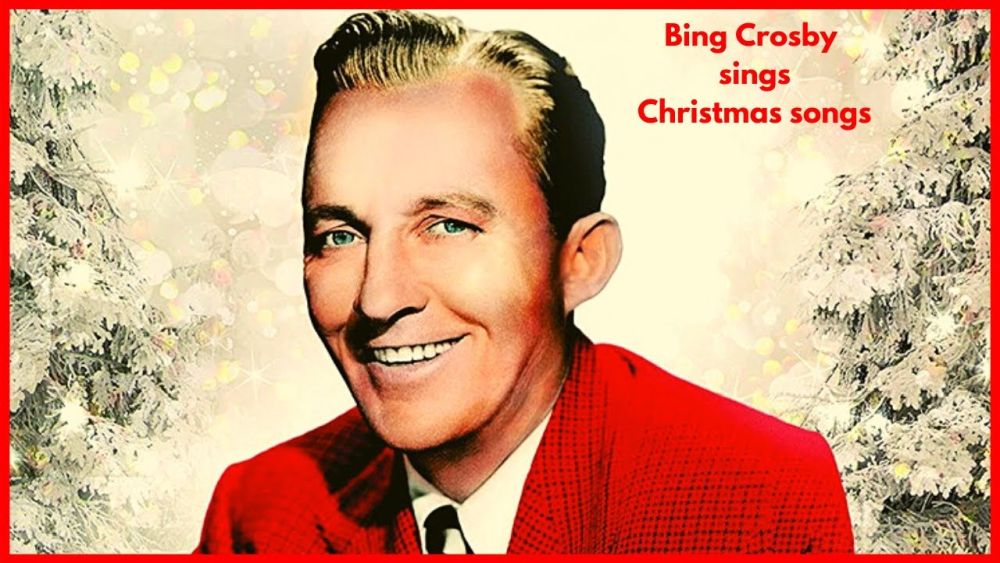
Today, the carol is translated into about 300 languages and dialects, making it one of the most universally recognized songs. The English version, popularized by Episcopal priest John Freeman Young in 1859, adapts three verses while preserving the essence. Its cultural footprint is immense: over 137,000 recordings exist since the first in 1905, featuring artists from Bing Crosby to contemporary stars like Mariah Carey and Josh Groban. In 2011, UNESCO designated “Silent Night” as an intangible cultural heritage, recognizing its role in promoting peace and unity across cultures.
Historical Significance:
The WWI Christmas Truce, One of the most poignant chapters in the carol’s history occurred during World War I. On Christmas Eve 1914, amid the brutal trench warfare on the Western Front, soldiers from opposing sides; British, French, and German; began singing carols, including “Silent Night.” The shared melody, known as Stille Nacht to the Germans, bridged the divide, leading to the famous Christmas Truce. Troops emerged from their trenches, exchanged gifts, played football, and observed temporary ceasefires that lasted in some areas until New Year’s Day. This spontaneous act of humanity, sparked by the carol’s message of peace, highlighted music’s power to foster empathy even in war’s darkest hours.

Why It Matters Even More Today
In an era marked by global conflicts, climate crises, and social divisions, “Silent Night” holds amplified relevance. Its call for “heavenly peace” serves as a reminder of the possibility of harmony amid chaos, much like during the WWI truce. Today, the carol is invoked in peace initiatives, interfaith gatherings, and humanitarian efforts, symbolizing unity across borders. In a world of constant noise and division, its emphasis on stillness and redemption encourages reflection and compassion. As conflicts rage in places like Ukraine and the Middle East, “Silent Night” inspires hope that ordinary people, like those soldiers in 1914, can choose peace. Its UNESCO status underscores this timeless value, ensuring it continues to unite humanity in celebration and solace. More than two centuries later, “Silent Night” isn’t just a carol; it’s a beacon for a better world.
Images : Web and AI-Generated
Text : Scribblegeist (Ghost of the runaway pencil)