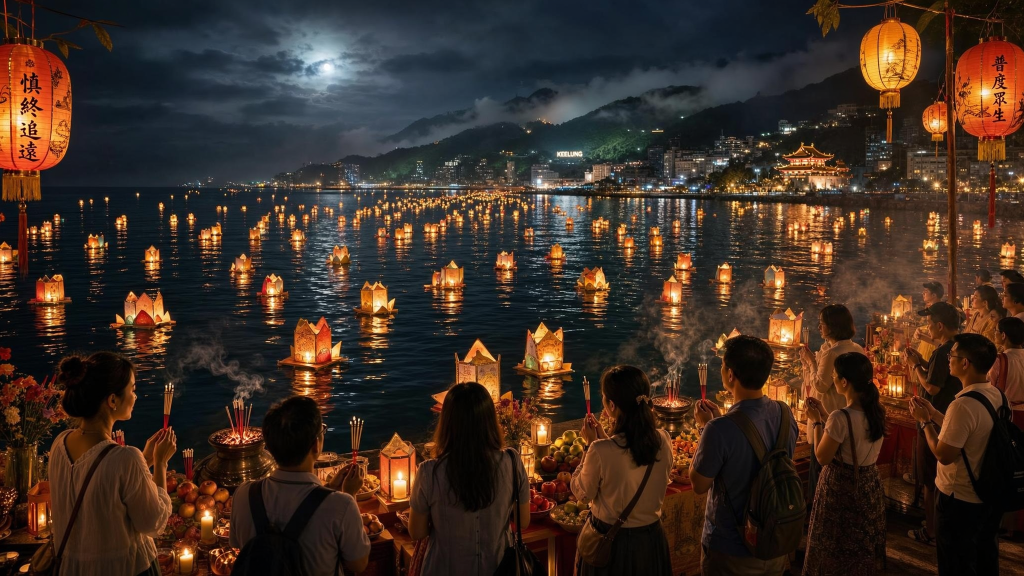
There is something particularly beautiful about the arrival of autumn in Taiwan. The season does not announce itself with forests suddenly turning red and gold. Instead, it arrives through familiar rituals: great green pomelos appearing in markets, mooncakes filling bakery windows, families making plans to meet, and, increasingly, the smell of charcoal drifting through neighborhoods. This week, Taiwan celebrates the Mid-Autumn Festival, or Zhongqiu Jie, on the fifteenth day of the eighth month of the lunar calendar. In 2026, that falls on September 25, beginning a four-day holiday weekend. At its heart, however, this is not simply a day marked on a calendar. It is an ancient celebration of the harvest, the moon and reunion, continually reshaped by the people who celebrate it.
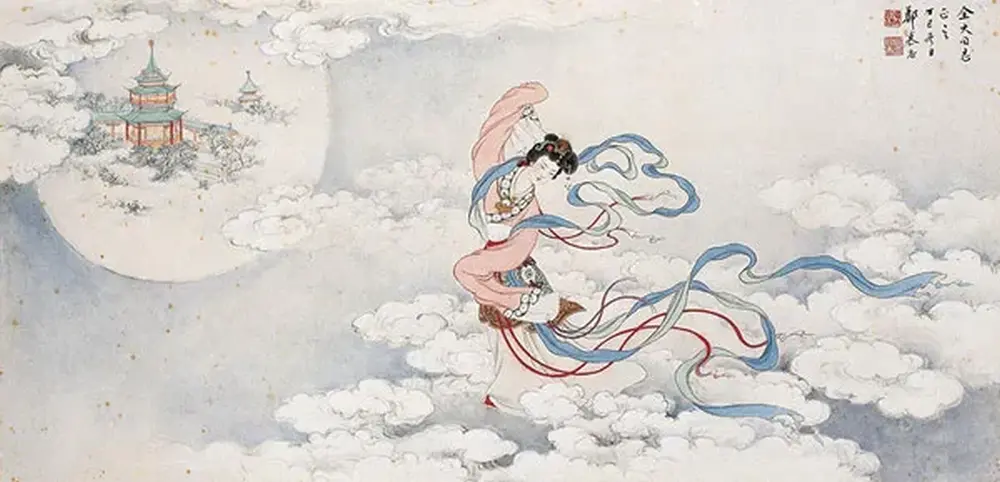
The origins of Mid-Autumn reach far beyond modern Taiwan. The festival developed around the full moon at the height of autumn, when agricultural communities had traditionally completed much of their harvest and could pause to give thanks. In Taiwan, older customs included offerings to the land and moon, moon-gazing and gathering with family. The full moon became a natural symbol of completeness, while its round shape came to represent family reunion. Over centuries, stories grew around the moon, most famously the legend of Chang’e, who is said to have flown to the moon after drinking an elixir of immortality. Other traditional figures include the Jade Rabbit and Wu Gang, eternally chopping the cassia tree. These stories gave the festival a mythology, but the everyday meaning remained remarkably human: people separated by work, distance or circumstance had a reason to come home.
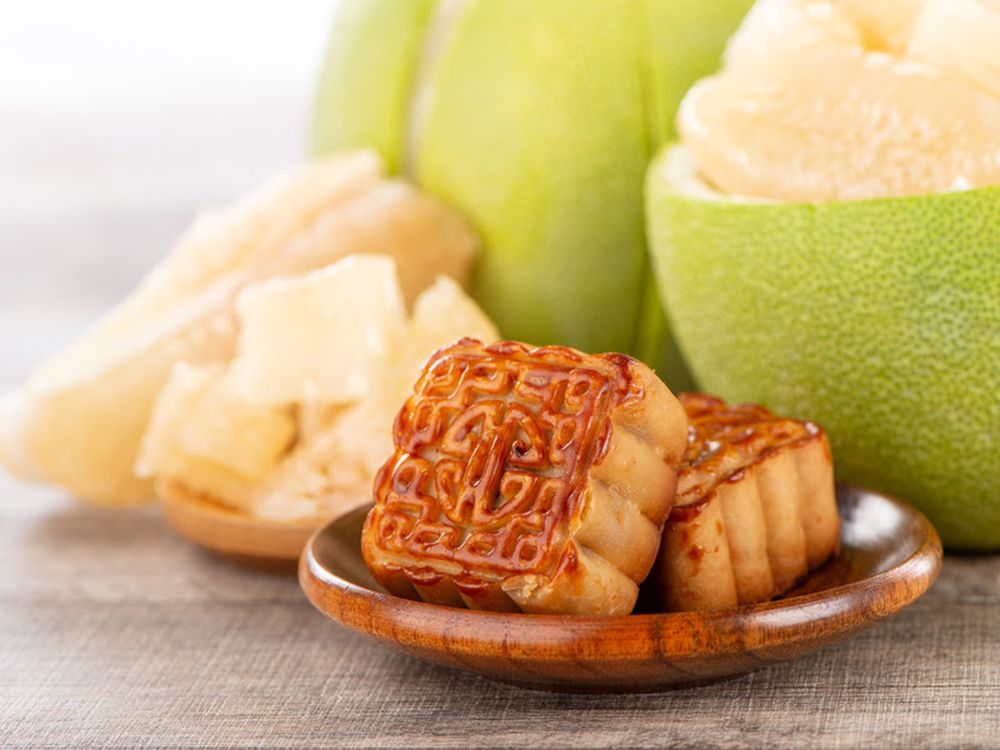
The familiar customs developed around that idea of reunion. Families share mooncakes, whose circular form echoes the full moon, and eat pomelos, particularly the fragrant Wendan pomelos that arrive at markets as the festival approaches. The Chinese word for pomelo, you, also sounds like a word associated with protection or blessing, giving the fruit an additional layer of meaning. Children have traditionally enjoyed turning the empty pomelo peel into a hat, a small and wonderfully silly ritual that survives alongside the more formal customs. And then there is the moon itself. The traditional practice of strolling beneath it, admiring its light and spending time outdoors is known as zou yue, or “walking the moon”. What was once an agricultural and religious observance has gradually become something much broader: an evening when ordinary life slows down enough for people to notice the sky.
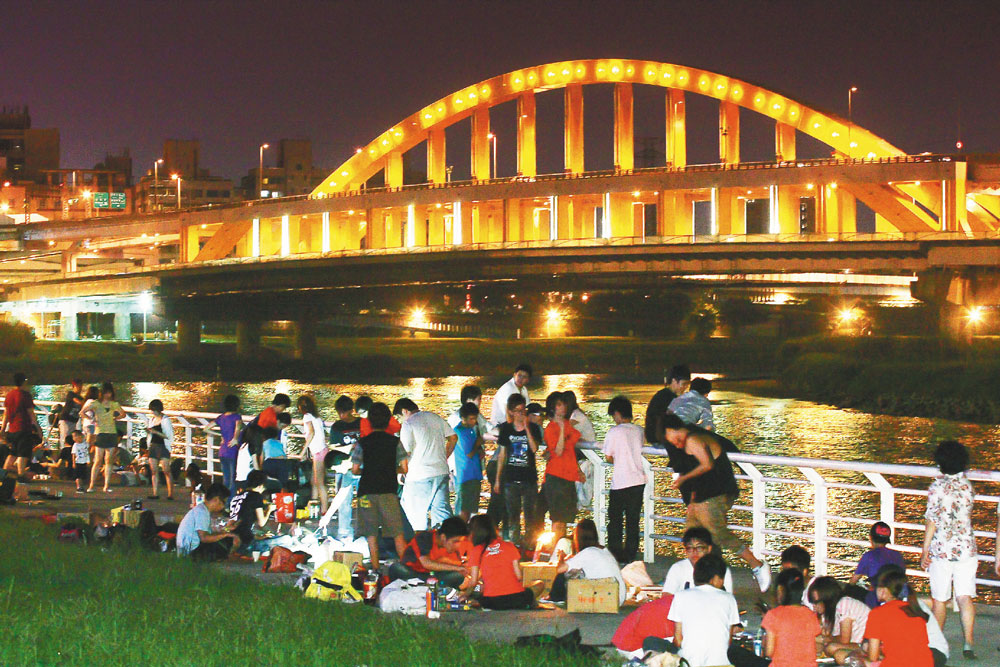
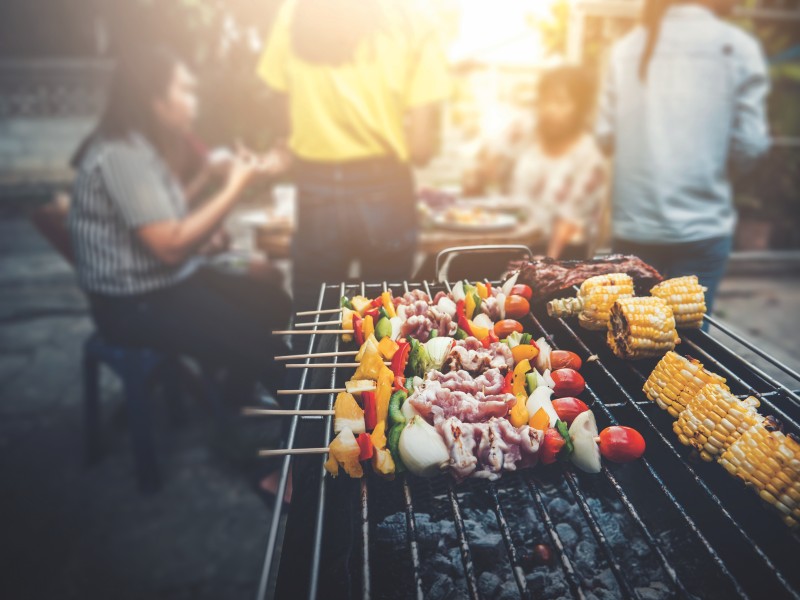
Yet Taiwan has added some remarkably modern chapters to this ancient story. The most famous is barbecue. There is nothing ancient about grilling sausages and pork belly beneath the Mid-Autumn moon. The custom became popular in Taiwan from the late twentieth century, helped by changing lifestyles, outdoor leisure and, importantly, aggressive advertising and promotion by barbecue-sauce companies during the 1980s. It is therefore more accurate to see Taiwanese Mid-Autumn barbecue as a modern tradition that grew around an older tradition of gathering, rather than as an ancient ritual suddenly transformed by one advertisement. Today, families and friends may grill beside apartment buildings, in designated riverside parks or wherever local rules permit. The food has changed, but the underlying purpose has not: people gather around something warm, share food and talk while the moon rises overhead.
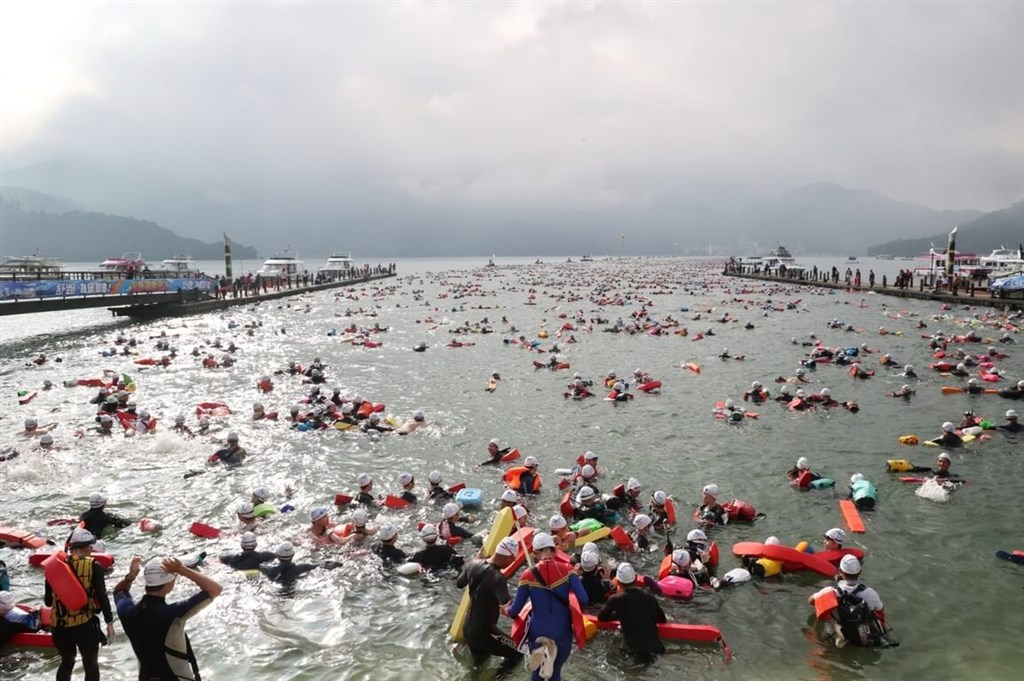
There is another remarkable Taiwanese event that arrives around the same time of year, this one involving considerably more water than charcoal. At Sun Moon Lake in Nantou, thousands of swimmers gather every year for the famous Sun Moon Lake Swimming Carnival. The event began in 1983 and has become one of Taiwan’s largest annual open-water swimming events. The course is approximately three kilometres across the lake, with swimmers entering at Chaowu Wharf and crossing the waters of one of Taiwan’s most iconic landscapes. The 2026 event took place on September 20, just days before Mid-Autumn Festival, continuing a tradition that has become closely associated with the period around the holiday. It is a fascinating contrast: while families across Taiwan prepare to celebrate reunion around the table, thousands of people gather at Sun Moon Lake to make their own collective journey across the water.
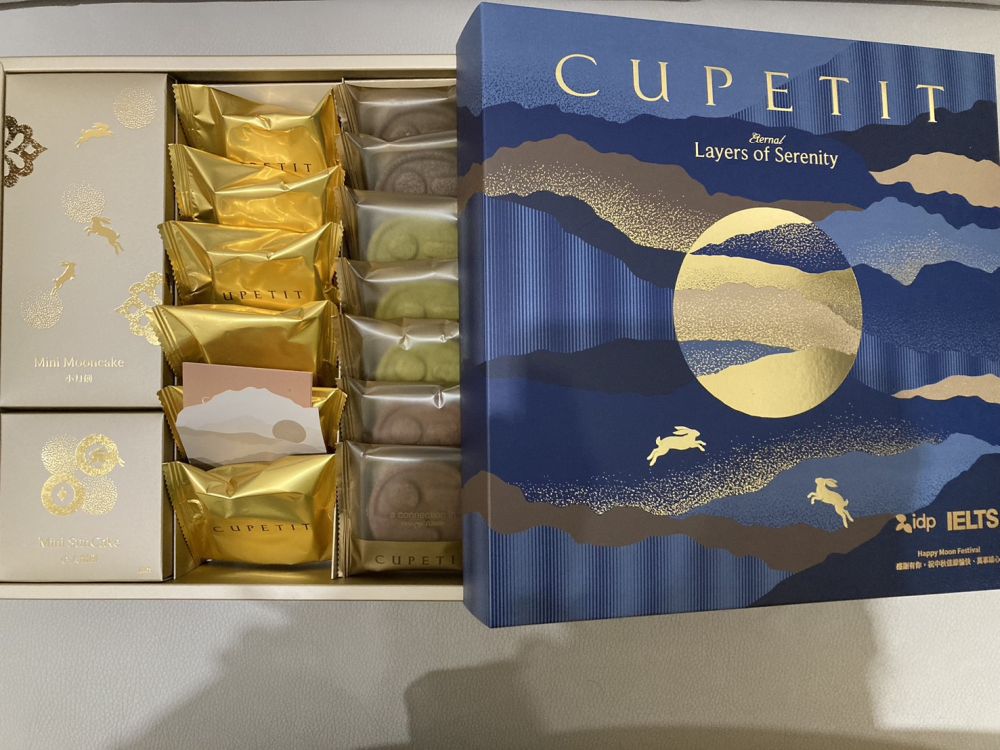
And then comes the mooncake. At the end of the meal, after the barbecue has burned down, the pomelo has been opened and the conversation has wandered through the evening, someone will eventually open the mooncake box. The traditional pastry has changed enormously in modern Taiwan. Alongside classic fillings are egg yolks, mung-bean pastries, pineapple cakes, snow-skin mooncakes and countless contemporary creations inspired by tea, chocolate, fruit and other flavors. Yet the little round cake still carries the oldest message of the festival. It is something made to be divided and shared. Perhaps that is why Mid-Autumn Festival has survived so well in a rapidly changing Taiwan. The stories may belong to another age, the barbecue is distinctly modern, the swimming carnival belongs to contemporary Taiwan, and the mooncakes themselves keep evolving.
But when evening comes and people sit together beneath the autumn moon,
the essential tradition remains wonderfully unchanged:
we make time for one another.
Text : Scribblegeist (Ghost of the runaway pencil)
Images : web, Sutterstock Adobe