There is something wonderfully humbling about realizing that we are not visitors in the universe. We are part of it. Not just connected to it in some philosophical sense, but physically, literally, undeniably part of it. Every atom that makes up our bodies has a history far older than humanity, older than Earth, older even than the Sun itself. Long before there were oceans, forests, cities, or dreams, the universe was a much simpler place. It was filled mostly with hydrogen and helium drifting through the darkness. There was no carbon for life, no oxygen for lungs, no calcium for bones, and no iron for blood. The ingredients needed to build people simply did not exist yet.
Then the stars went to work.
Deep within their blazing hearts, stars spent millions and billions of years forging new elements. They transformed the universe one atom at a time, creating the carbon that would one day become leaves and skin, the oxygen that would fill lungs, and the iron that would carry life through veins. The largest stars lived dramatic lives and met spectacular ends, exploding into the darkness and scattering their treasures across space. Those explosions were not acts of destruction alone. They were acts of creation. The dust and gas released by ancient stars drifted through the galaxy, mixing and gathering into new clouds. From one such cloud, our Sun was born. Around it formed the planets, including a small blue world that would eventually become home to oceans, mountains, animals, and curious creatures capable of asking where they came from.
The answer, it turns out, is astonishing.
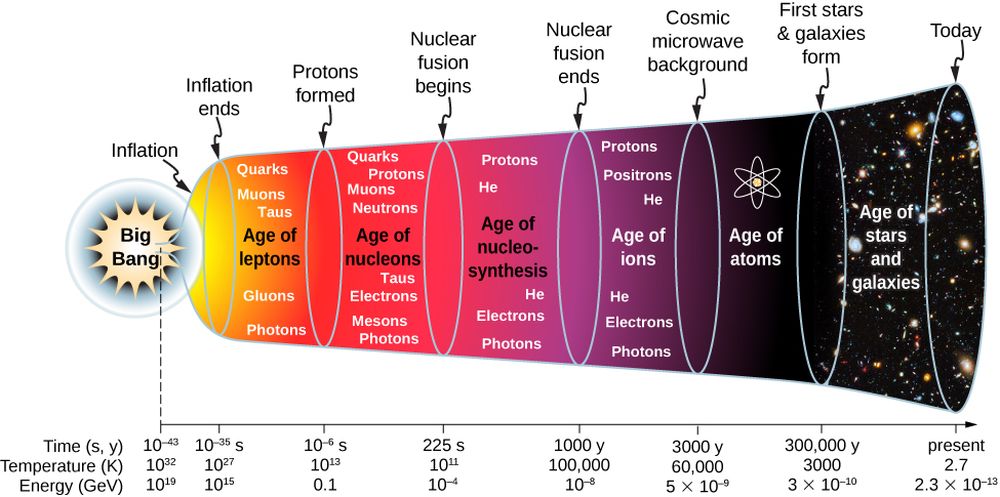
The carbon in your cells was once inside a star. The oxygen you breathe was forged in stellar furnaces long before Earth existed. The calcium in your teeth and the iron in your blood were born in cosmic events so powerful that they can barely be imagined. Every heartbeat is powered by atoms that have traveled across space and time for billions of years before arriving in you. When we look up at the night sky, it is tempting to think of the stars as distant objects, separated from us by unimaginable distances. Yet the truth is far more intimate. The stars are not merely above us. They are within us. The same processes that illuminated ancient galaxies helped create every person who has ever laughed, loved, wondered, or dreamed.
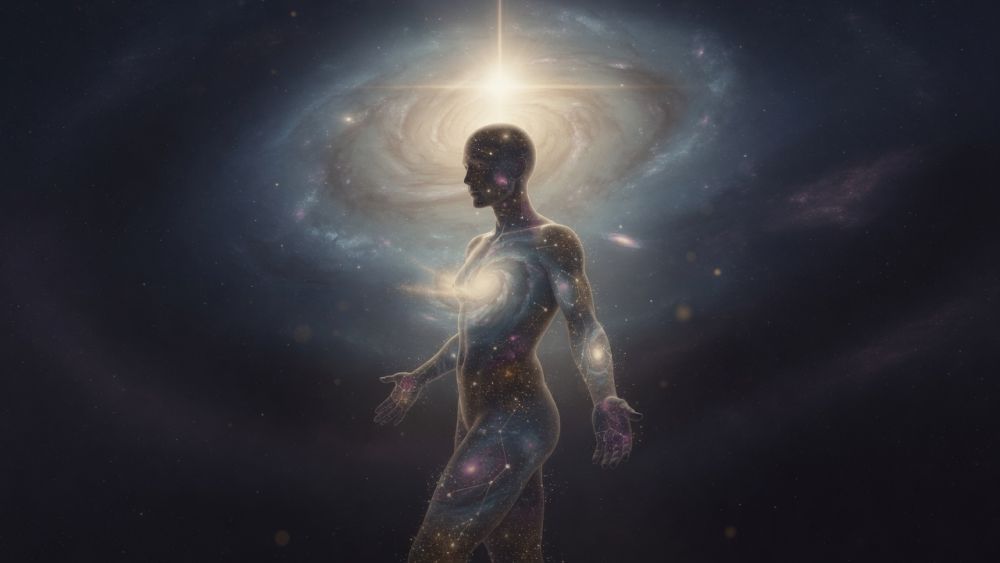
Perhaps that is why starlight feels so captivating. Somewhere deep inside, there may be a quiet recognition. The glowing points scattered across the night are not strangers. They are relatives. We share a common history written in hydrogen, fire, and time.
The next time you stand beneath a clear sky, consider the extraordinary journey hidden within your own body. The atoms that allow you to read these words have survived the birth and death of stars, crossed the emptiness of space, become part of a planet, and eventually become part of you. For a brief moment in cosmic history, they have assembled themselves into a human being capable of wondering about the universe that created them.
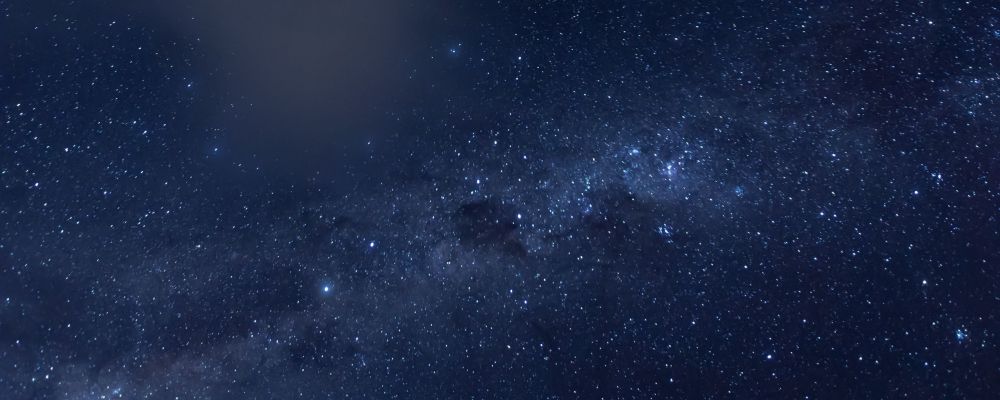
And perhaps that is the most beautiful part of all. The universe has spent nearly fourteen billion years arranging pieces of itself into countless forms, and one of those forms is you. In a very real sense, the cosmos has become conscious enough to look back at the stars and recognize its own reflection.
We are not separate from the universe.
We are the universe, gathered together for a little while, made of ancient stardust
and filled with stories as old as the sky.
Images : Web, AI Generated
Text : Scribblegeist (Ghost of the runaway pencil)