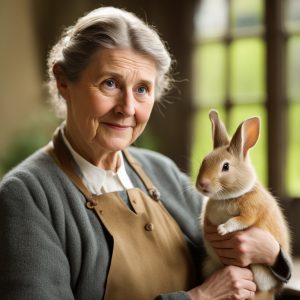
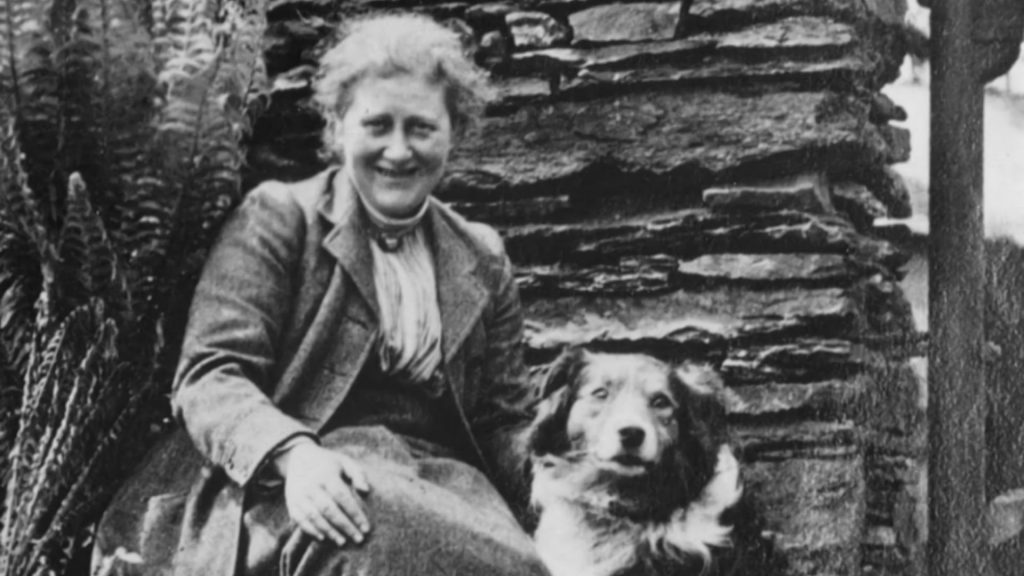
Beatrix Potter gave the world something rare. She reminded us that wonder can be found in the smallest corners of life. In an age of rapid industrial change, crowded cities, and growing distance from nature, she opened a tiny gate and invited generations of readers into gardens, forests, meadows, and cozy cottages where animals spoke softly, adventures unfolded among vegetables and hedgerows, and every living thing seemed worthy of attention. Born in Victorian England, Potter possessed a gift for observation that was as remarkable as her imagination. Long before she became a celebrated author, she spent countless hours studying animals, plants, and landscapes. She drew rabbits, mice, ducks, frogs, and countless other creatures with extraordinary care. Her sketches were not merely decorative. They reflected a deep respect for the natural world and a genuine desire to understand it. This combination of scientific curiosity and artistic talent would become the foundation of everything she created.
When readers first met Peter Rabbit, they encountered a character unlike many found in children’s literature of the time. Peter was not a perfect hero. He was curious, impulsive, mischievous, and sometimes reckless. He wandered where he should not go, ignored good advice, and found himself in trouble. Yet these very flaws made him feel alive. Children recognized themselves in him, while adults smiled knowingly at his adventures. Through Peter and the many characters who followed, Potter captured universal truths about growing up, making mistakes, facing consequences, and finding one’s way home.
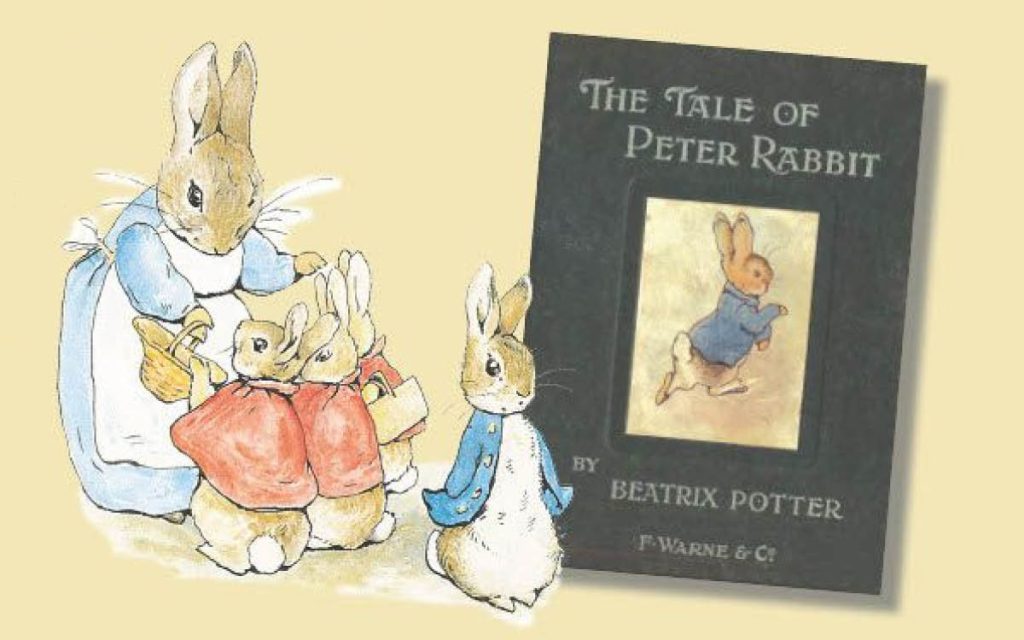
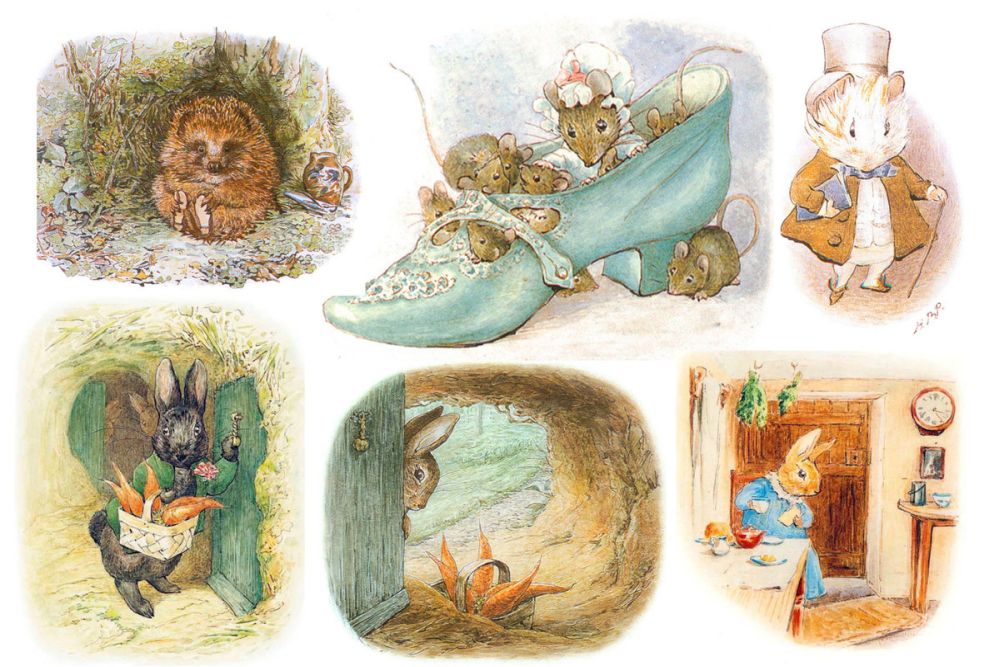
Her illustrations remain among the most beloved ever created for children’s books. Painted with delicate watercolors and extraordinary precision, they possess a timeless quality that continues to enchant readers more than a century later. The animals wear jackets, aprons, and bonnets, yet somehow never lose their connection to nature. They inhabit a world balanced perfectly between reality and fantasy. Looking at her artwork feels like peering into a place that has always existed just beyond the edge of our own.
What makes Potter’s work endure is not merely its charm. Beneath the gentle storytelling lies a profound appreciation for the natural world. Her books encourage readers to notice details, to observe the habits of animals, to appreciate changing seasons, and to understand that every creature has its place. In many ways, she helped foster a love of nature in generations of children who might otherwise have grown up disconnected from it.
Her contributions extended far beyond literature. As an adult, she devoted herself to farming and conservation. She acquired farms, cared for livestock, and became deeply involved in preserving the landscapes she loved. At a time when conservation was far from a universal concern, she understood that natural beauty could not be taken for granted. Through her efforts, large areas of countryside were protected and preserved for future generations to enjoy.
Perhaps this is her greatest legacy. She did not simply create stories. She nurtured a way of seeing the world. She taught readers that a rabbit in a garden can be fascinating, that a duck searching for a safe place to nest can be heroic, and that ordinary moments can contain extraordinary beauty. Her work encourages patience in an impatient age, observation in a distracted age, and kindness in a hurried age.

Even today, when technology surrounds us and modern life moves at an ever increasing pace, opening a Beatrix Potter book feels like stepping into fresh air. Her pages remind us that wonder does not require grand spectacles. It lives in rustling leaves, hidden pathways, muddy footprints, and small adventures close to home.
The world she created continues to comfort, inspire, and delight because it speaks to something timeless within us. Through her stories and illustrations, Beatrix Potter gave generations of readers a lasting gift: the ability to see nature not as a backdrop to life, but as a living companion filled with beauty, character, and endless stories waiting to be discovered.
Images : Web
Text : Scribblegeist (Ghost of the runaway pencil)