Imagine standing beneath a relentless summer sun as the temperature climbs well above 40 degrees Celsius. There is no electricity, no fan humming in the corner, and certainly no air conditioner waiting to rescue you. Yet you step through the doorway of a house, and the air immediately feels cooler. The walls seem to breathe, a gentle breeze flows through shaded rooms, and the heat outside suddenly becomes far less oppressive. For thousands of years, this was not magic. It was architecture. Long before the invention of modern cooling systems, civilizations around the world had already learned how to work with nature instead of against it.
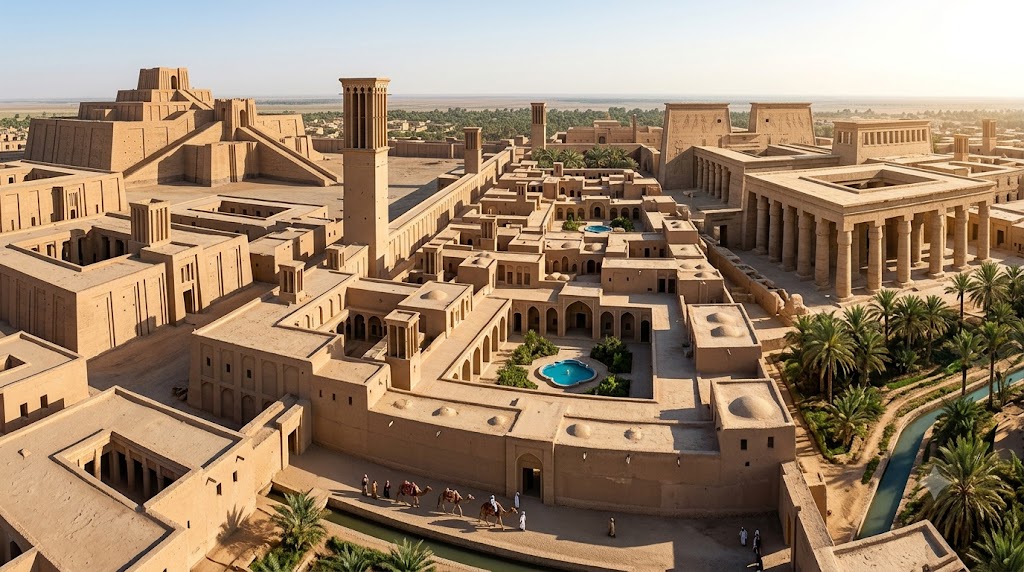
The story begins more than four thousand years ago in the great civilizations of Mesopotamia, ancient Egypt and Persia. These regions endured scorching summers that often pushed human endurance to its limits. Builders had little more than earth, stone, wood and water at their disposal, yet they transformed these humble materials into sophisticated climate control systems. Through centuries of observation and experimentation, they discovered that buildings could be designed to capture breezes, block the harshest sunlight and store coolness long after the sun had reached its peak.
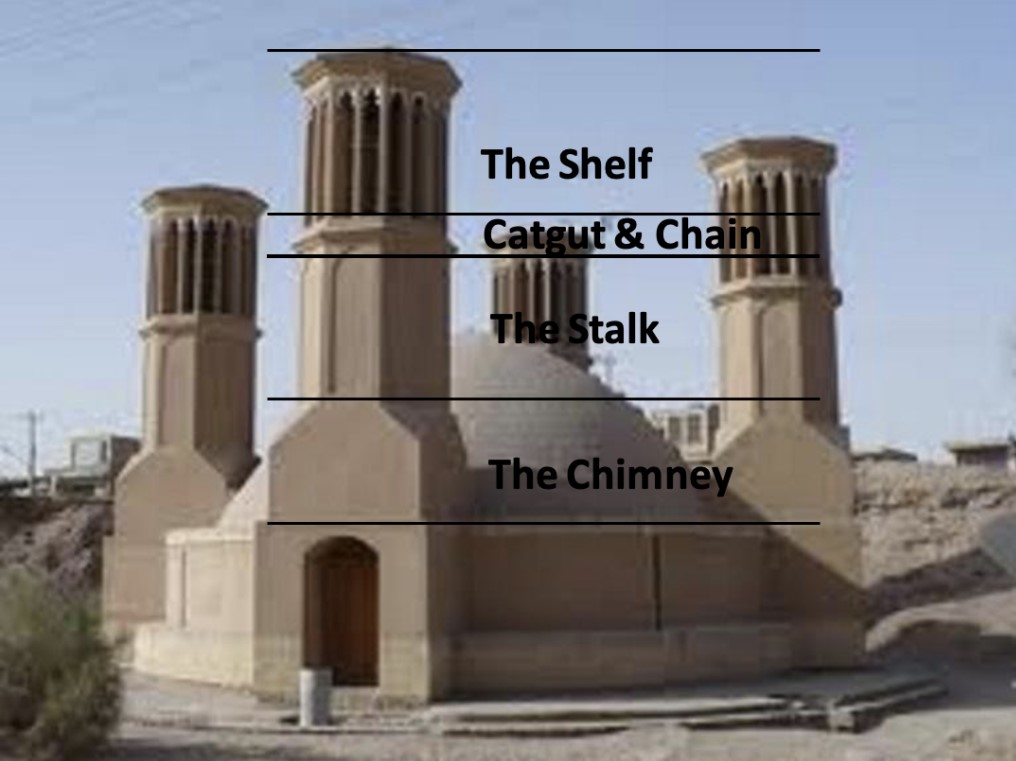
Clay became one of their greatest allies. It was abundant, inexpensive and remarkably effective. Thick earthen walls absorbed heat slowly throughout the day, preventing it from rushing indoors. Only after sunset would that stored warmth gradually be released, by which time the cooler night air was already flowing through the building. Today, engineers refer to this property as thermal mass. Ancient builders simply knew that houses made from earth remained comfortable when the desert outside felt unbearable.
Some cultures pushed these ideas even further by shaping clay into honeycomb-like screens and perforated walls. Hundreds of small openings increased the surface area exposed to moving air while casting countless tiny shadows across the structure itself. As breezes passed through these intricate patterns, heat dispersed more efficiently and sunlight was softened before reaching the interior. The walls were both beautiful and functional, proving that good engineering and elegant design have always gone hand in hand.

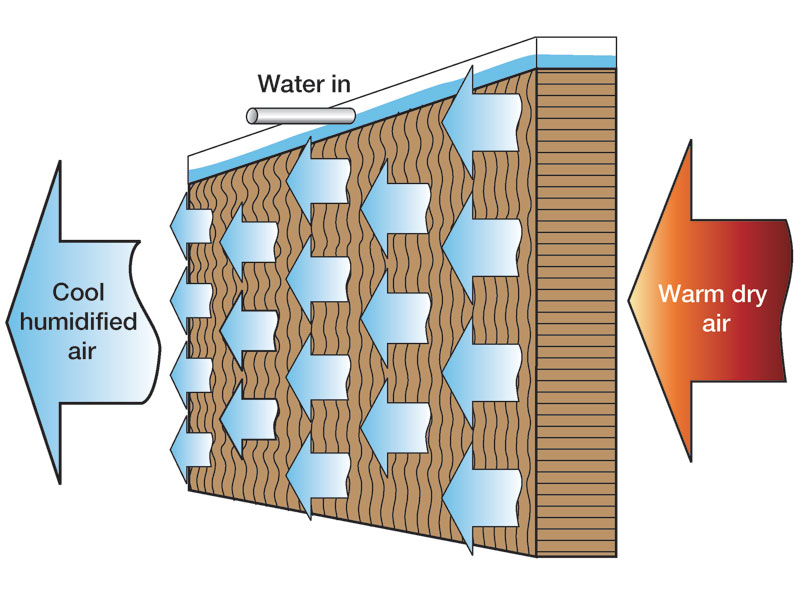
In regions where the air remained dry for much of the year, water became another silent partner. Clay screens were sometimes lightly moistened, allowing evaporation to draw heat from the passing air. It is the same physical principle that cools our skin when perspiration evaporates. Without consuming electricity or fuel, buildings could reduce indoor temperatures simply by allowing water and wind to perform the work together.
Perhaps nowhere was passive cooling developed more elegantly than in ancient Persia. Towering structures known as *badgirs*, or windcatchers, rose above rooftops like giant chimneys. These towers captured even the faintest breeze and directed it downward through the building. Some passed the incoming air over underground water reservoirs or through cool subterranean chambers connected to *qanats*, remarkable tunnels that transported fresh water across vast distances. By the time the air reached the living quarters, it could feel dramatically cooler than the scorching heat outside. In many ways, these structures functioned as natural air conditioners nearly two thousand years before electricity became available.

Across the Arab world, architects created intricate lattice screens known as *mashrabiyas*. These beautifully carved wooden or clay facades shielded homes from direct sunlight while allowing fresh air to circulate freely. In India, craftsmen developed equally impressive *jali* screens carved from stone or terracotta. Their hundreds of carefully arranged openings accelerated gentle breezes while filling interiors with delicate patterns of filtered light. Every opening served a purpose. Every shadow contributed to comfort.

Remarkably, similar discoveries emerged thousands of kilometers away without any shared blueprint. In southern Taiwan, traditional **Sanheyuan** courtyard houses evolved to meet the demands of a humid subtropical climate rather than an arid desert. Here, evaporative cooling offered fewer advantages because the air already contained abundant moisture. Instead, builders relied on different expressions of the same scientific principles. Thick brick and earthen walls slowed the transfer of heat. Spacious central courtyards encouraged natural cross ventilation. Wide overhanging eaves shielded walls and windows from the fierce summer sun. Above all, roofs built from curved terracotta tiles created countless narrow air passages beneath their surface, allowing heat to escape before it reached the rooms below. The result was a home that remained noticeably cooler despite the island’s hot and humid summers.

This convergence is one of architecture’s most fascinating stories. Civilizations separated by oceans, languages and centuries independently arrived at remarkably similar conclusions. Whether in the deserts of Persia, the villages of North Africa, the towns of India or the countryside of southern Taiwan, builders discovered that the most effective way to cool a building was not to overpower nature but to understand it. Shade was more valuable than exposure. Airflow mattered more than sealed walls. Earth itself could become a giant thermal battery.
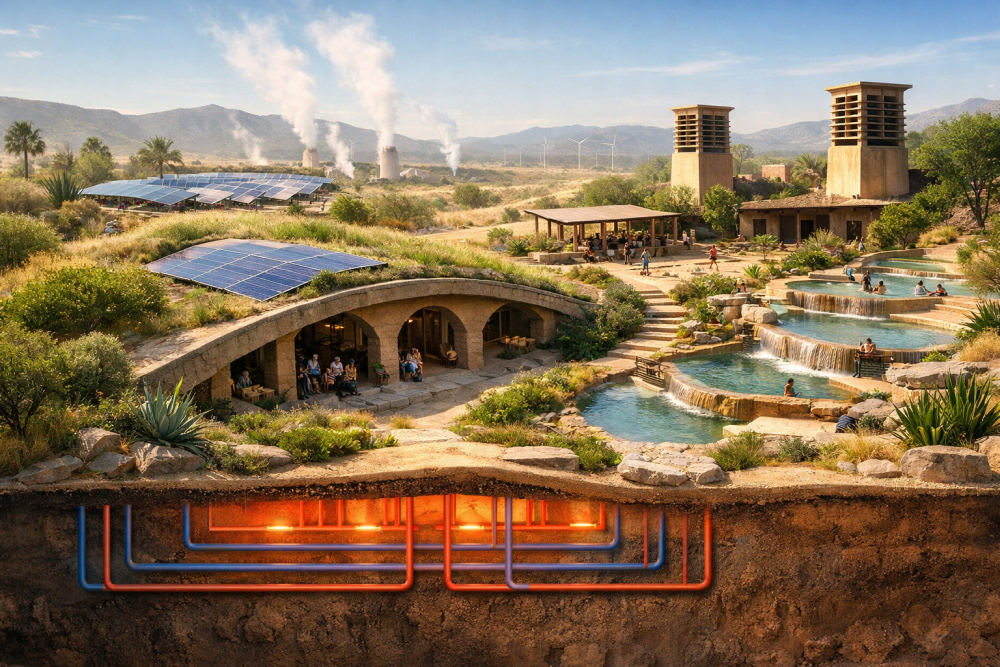
Water also played an important role beyond the walls themselves. Courtyards frequently featured fountains, ponds or narrow channels designed not only for beauty but also for comfort. Passing breezes collected moisture from the water before entering surrounding rooms. Trees and climbing plants added another layer of cooling by casting shade and releasing water vapor through their leaves. Entire neighborhoods were planned to create narrow shaded streets that reduced direct sunlight while guiding cooling winds through the settlement. Every element worked together as part of a single environmental system.

Modern architects are rediscovering these ancient lessons with renewed enthusiasm. Ceramic honeycomb facades, 3D printed clay panels, ventilated terracotta skins and passive ventilation systems now appear on contemporary offices, museums and apartment buildings across the world. Sophisticated computer simulations optimize airflow and solar shading, yet the underlying ideas remain surprisingly familiar. We have not invented entirely new ways of cooling buildings. In many respects, we have simply learned to appreciate the wisdom our ancestors developed long ago.

This renewed interest arrives at an important moment. Cooling buildings already consumes a significant share of the world’s electricity, and demand continues to rise as cities expand and global temperatures increase. Passive cooling cannot solve every challenge, but it can dramatically reduce the energy required to keep buildings comfortable. Unlike conventional air conditioning, these techniques produce no refrigerant emissions, consume little or no electricity and often rely on local materials that have served humanity for millennia.

Perhaps the greatest lesson these buildings offer is one of humility. We often imagine history as a steady march from primitive ideas to modern brilliance. Yet the people who built with clay, stone, wind and water understood the physics of comfort with extraordinary sophistication.

They observed nature patiently, refined their designs across generations and created homes that worked in harmony with their environment. Their achievements remind us that progress is not always about replacing the old with the new. Sometimes it begins by rediscovering what was quietly working all along.
Images : AI, Web (unless specified) – Featured Image by AI
Text : Scribblegeist (Ghost of the runaway pencil)