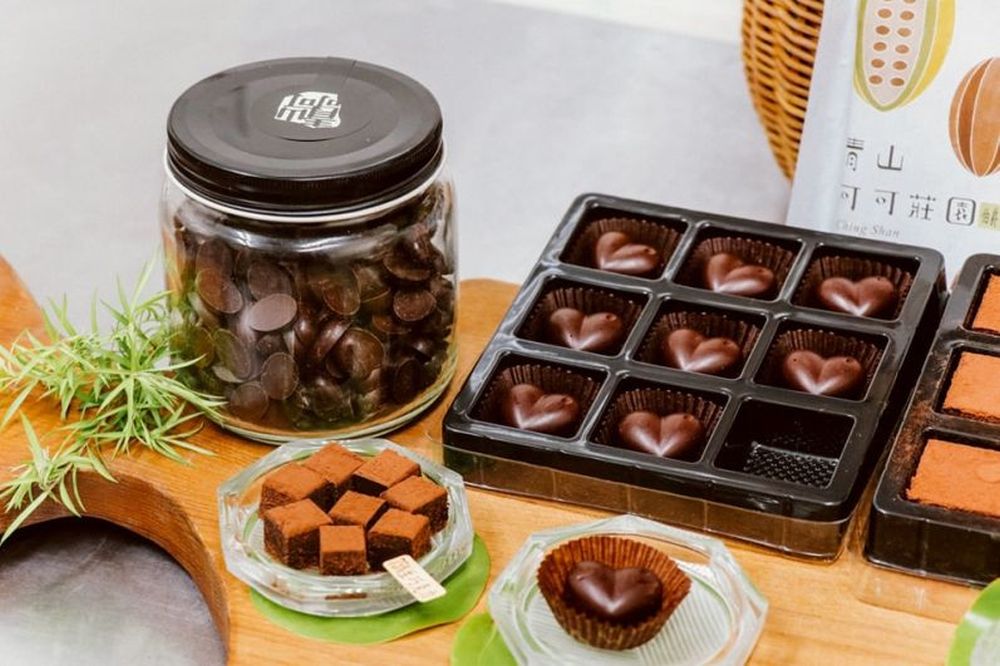
Taiwan has developed a small but internationally recognized cocoa industry over the past two decades, centered almost entirely in Pingtung County in the south. Production remains small-scale and artisanal, with a focus on premium “tree-to-bar” chocolate that has won numerous international awards.
🍫 The Origins: From Betel Nut to Cocoa
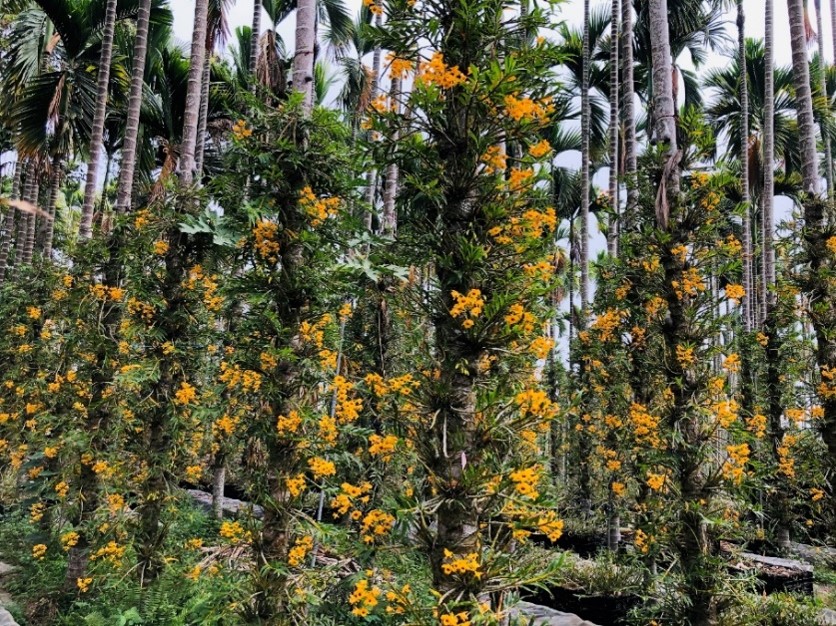
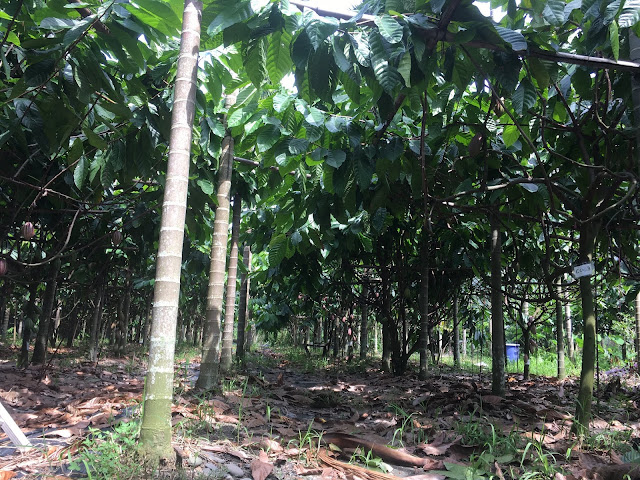
Taiwan’s modern cocoa industry emerged from an unlikely starting point. For decades, betel nut was a major cash crop on Taiwan’s hillsides. In the early 2000s, health campaigns linking betel nut to oral cancer led the government to encourage farmers to diversify away from it. Some farmers in Pingtung began experimenting with cocoa, planting young trees under the existing betel nut canopy, which provided essential shade for the young plants.
This transition was not entirely new. Taiwan first attempted cocoa cultivation in 1922 during the Japanese colonial period, when seeds were imported from Java. That effort ultimately failed due to low winter temperatures, limited processing knowledge, and a lack of technology, and the plantations were abandoned.
📍 Where It Grows: Pingtung is the Heartland
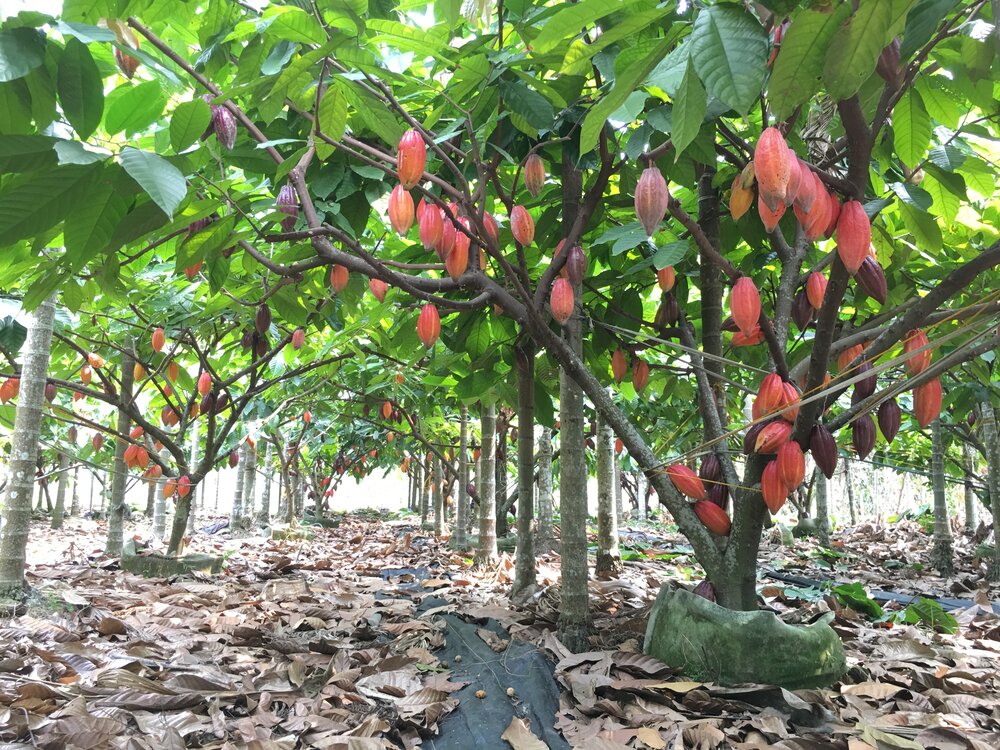
Cocoa in Taiwan is concentrated in the southern region, with Pingtung County as the undisputed center. The county sits just north of the Tropic of Cancer, placing it at the northernmost edge of the global cacao belt. Within Pingtung, production is spread across over half the county’s townships, with key areas including Neipu, Wanluan, Zhutian, and Gaoshu.
In terms of scale, statistics vary due to discrepancies between official records and actual planted areas. Official figures once listed around 64 hectares nationally, but local surveys suggested actual cultivation could reach 230 to 300 hectares, almost all in Pingtung. Other sources report the island produces roughly 300 to 400 tonnes of cacao annually, or about 630 tonnes in more recent estimates. For context, Nantou County is a distant second, producing around 105 tonnes annually (about 21% of the national total). Production has grown more than sevenfold over the past decade.
🌱 Cultivation and Harvest
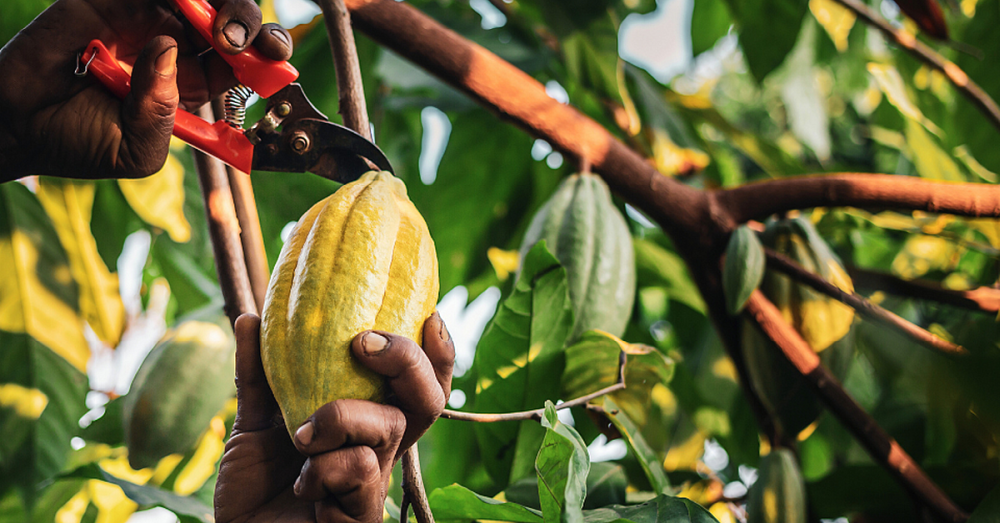
Cocoa is a tropical plant that thrives in hot, humid conditions. In Taiwan, it is typically grown under the shade of taller trees—often the remaining betel nut palms or banana plants—during its early years. As the cocoa trees mature, some of the shade trees are removed to give them more sunlight for fruiting. Farmers use grass cultivation to retain soil moisture, and irrigation is essential during dry periods. Trees begin producing valuable fruit after 3 to 5 years, and a well-managed orchard can remain productive for 25 to 30 years. The main harvest seasons fall in April–June and November–December.
🏭 “Tree to Bar” and Global Recognition
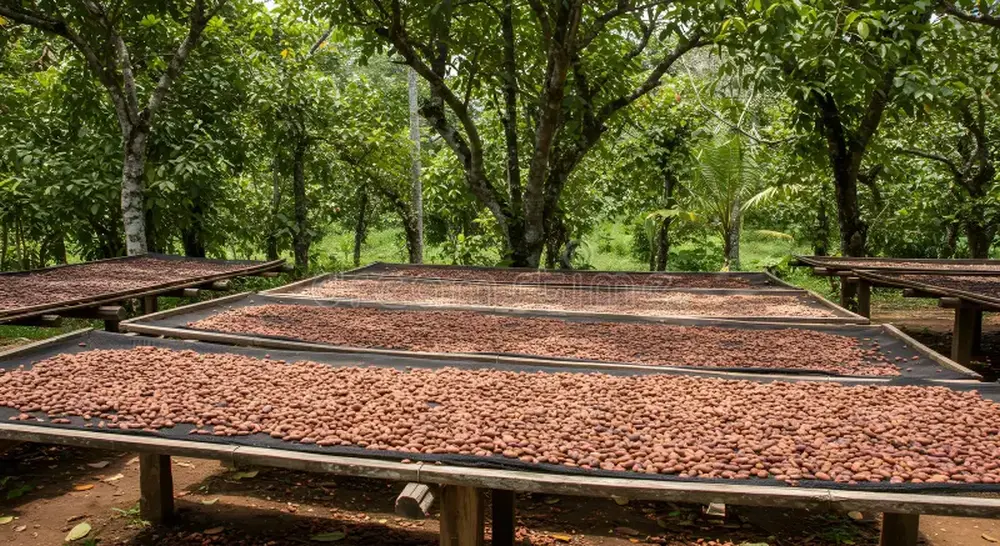
Taiwan’s cocoa industry is defined by its “Tree to Bar” model. Unlike most global cocoa production, where beans are exported for processing elsewhere, Taiwanese farmers often handle every step themselves—from growing and harvesting to fermenting, drying, roasting, and making the final chocolate bar. This direct control allows for highly distinctive, terroir-Drying Cocoadriven flavors. The short distance from tree to finished product is, in many cases, measured in meters rather than kilometers.
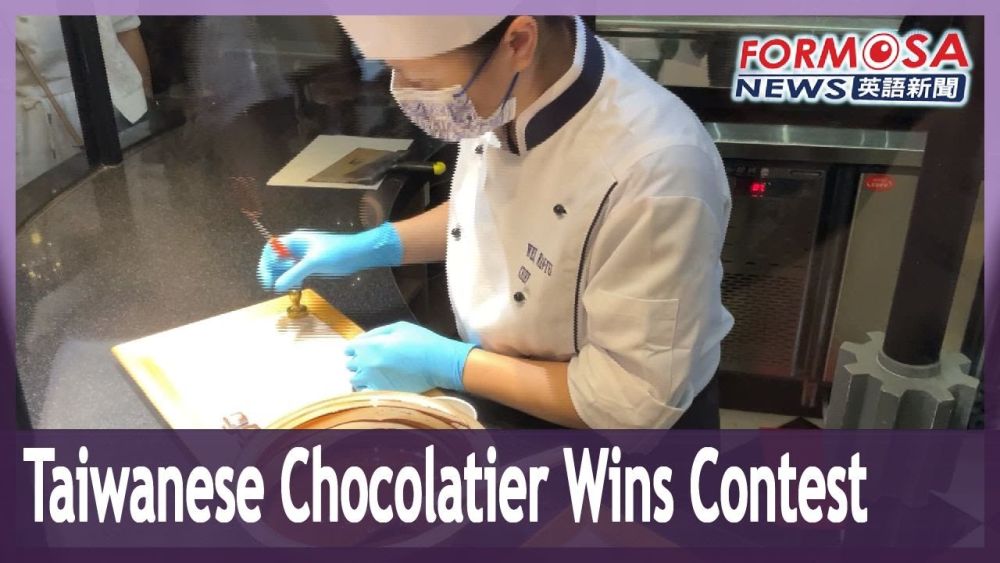
This artisanal approach has earned significant international acclaim. Taiwanese makers have performed strongly at the International Chocolate Awards (ICA), with brands like Fu Wan Chocolate winning hundreds of awards and exporting to Japan, Europe, and the United States. The industry’s high production costs—making Taiwanese cacao among the most expensive in the world—have pushed producers to compete in the premium artisanal market rather than on volume.
⚠️ Challenges: Climate and Scale
The industry faces two main pressures:
- Climate Change: Rising temperatures, erratic rainfall, droughts, and stronger typhoons are increasingly damaging crops and reducing yields. In recent years, summer typhoons have harmed trees and affected both the quantity and quality of the harvest.
- Small Scale and High Costs: Production remains largely manual and small-scale, keeping costs high and making it difficult to compete on price. The domestic market is also dominated by imports, with local production accounting for only about 20% of Taiwan’s roughly NT$6 billion chocolate market.

Despite these hurdles, Taiwan’s cocoa sector has carved out a unique identity:
a tiny, northernmost origin producing some of
the world’s most traceable and award-winning craft chocolate.
Text : Scribblegeist (Ghost of the runaway pencil)
Images : web, Sutterstock, Private Archive