On November 11, countries around the world pause to observe Armistice Day or Remembrance Day. While the names of the holidays may differ, their shared historical foundation remains the same: the cessation of hostilities on the Western Front in 1918.
The Historical Moment: The 11th Hour
World War I, often called “the war to end all wars,” ravaged the globe from 1914 to 1918. By the fall of 1918, Germany, facing insurmountable military and domestic pressures, sought an end to the fighting. In the early hours of November 11, 1918, representatives of the German government signed an armistice agreement with the Allied powers in a railway carriage in a forest near Compiègne, France. The signing occurred at 5:15 a.m., but the agreement stipulated that the ceasefire would not take effect until 11:00 a.m.
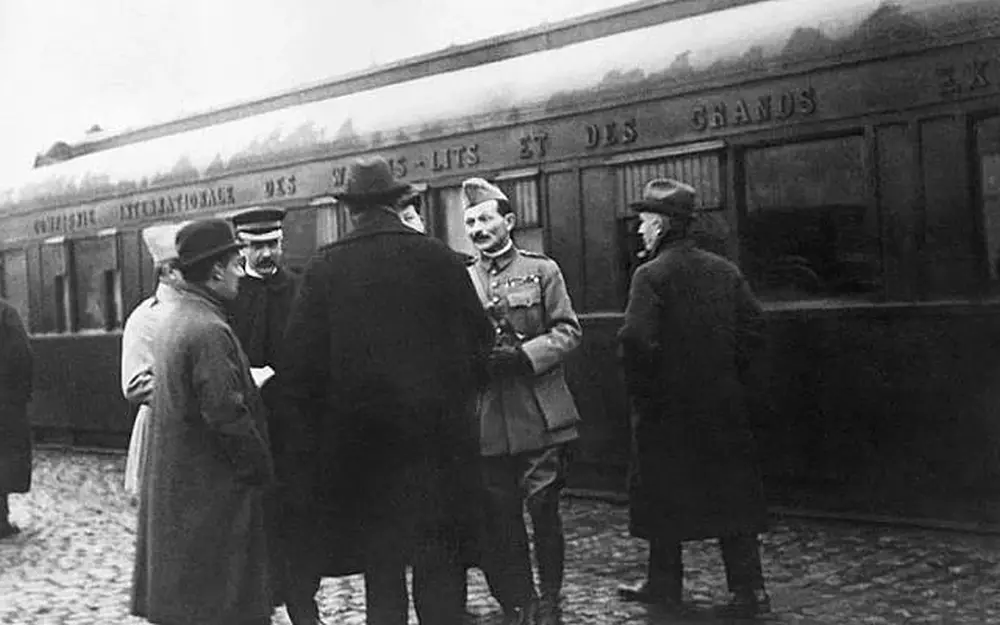
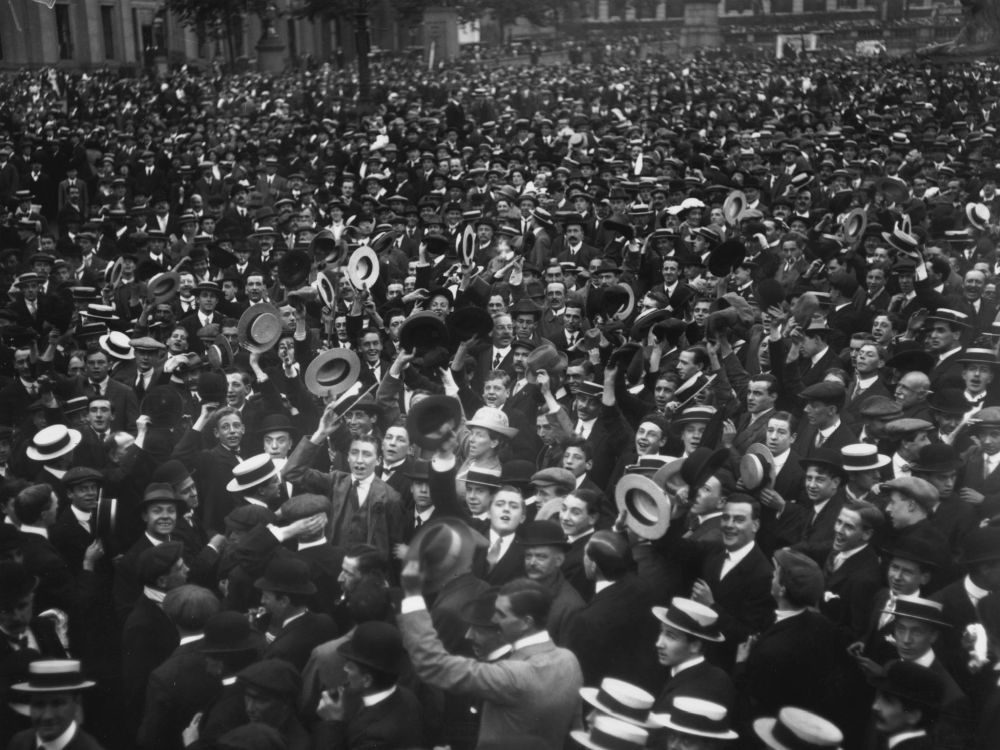
When that hour arrived, the guns finally fell silent. For millions, it was a moment of overwhelming relief and celebration. Church bells rang, and people took to the streets. Yet, for countless families, the joy was inextricably mixed with grief, as their loved ones had not returned from the trenches. It is important to note that this armistice only halted the fighting; the formal legal end of the war would not come until the Treaty of Versailles was signed on June 28, 1919.
The Origins of a Global Tradition
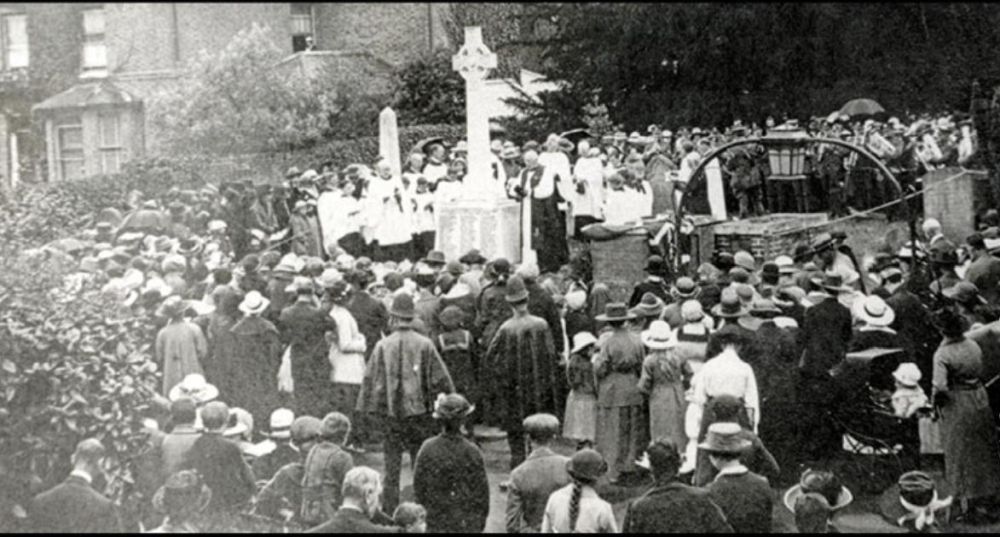
The tradition of honoring the fallen began almost immediately. On the first anniversary of the armistice in 1919, King George V of the United Kingdom called upon the people of the British Empire to observe a two minutes silence. The idea was championed by Australian journalist Edward George Honey, who had written to the *Evening News* proposing a period of silence to honor the dead, and by South African statesman Sir Percy Fitzpatrick, who had witnessed similar moments of silence in Cape Town. King George V adapted the proposal to two minutes, allowing people to briefly set aside their daily routines to reflect on the ultimate sacrifice made by a generation. This simple, powerful tradition has endured for over a century.
How Different Nations Honor the Day
Belgium: Armistice Day
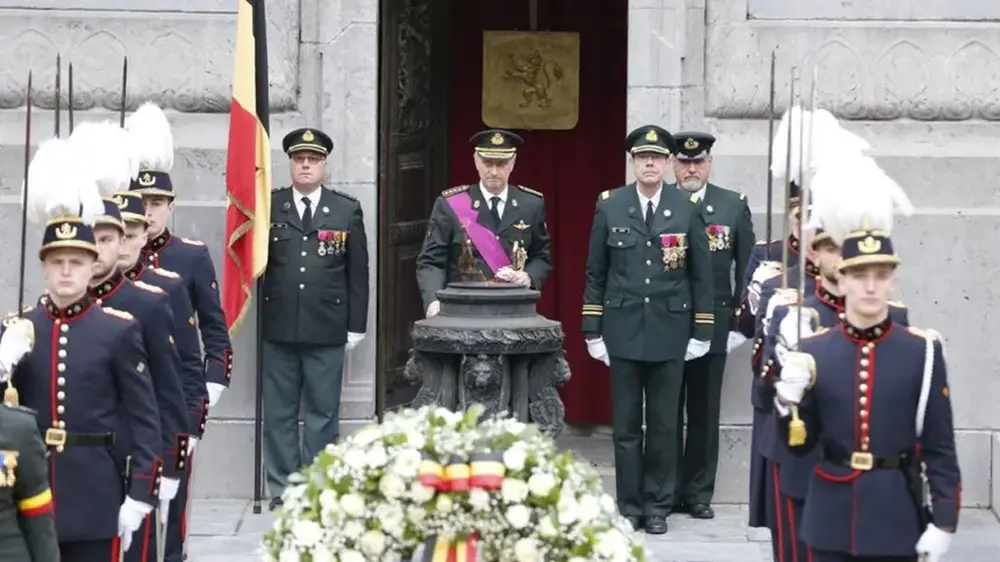
As one of the primary theaters of World War I, Belgium suffered greatly under occupation and devastation. November 11 is a national holiday. The main ceremonies take place in Brussels at the Tomb of the Unknown Soldier, located at the base of the Congress Column. Established in 1922, the tomb holds the remains of an unidentified Belgian soldier, symbolizing all who never returned. Additionally, in the city of Ypres, the poignant “Last Post” bugle call has been played every evening at the Menin Gate since 1928 to honor the fallen of the Ypres Salient.
France: Honoring the Unknown Soldier
For France, November 11 is a solemn national day of remembrance. The country lost an estimated 1.4 million soldiers, and nearly every community was touched by the tragedy. The focal point of national commemoration is the Tomb of the Unknown Soldier beneath the Arc de Triomphe in Paris. An eternal flame, first lit on November 11, 1923, is rekindled every evening. In 2012, France expanded the scope of the day to honor not only World War I victims but all military personnel and civilians who have died in service to the nation.
The United Kingdom: Remembrance Day
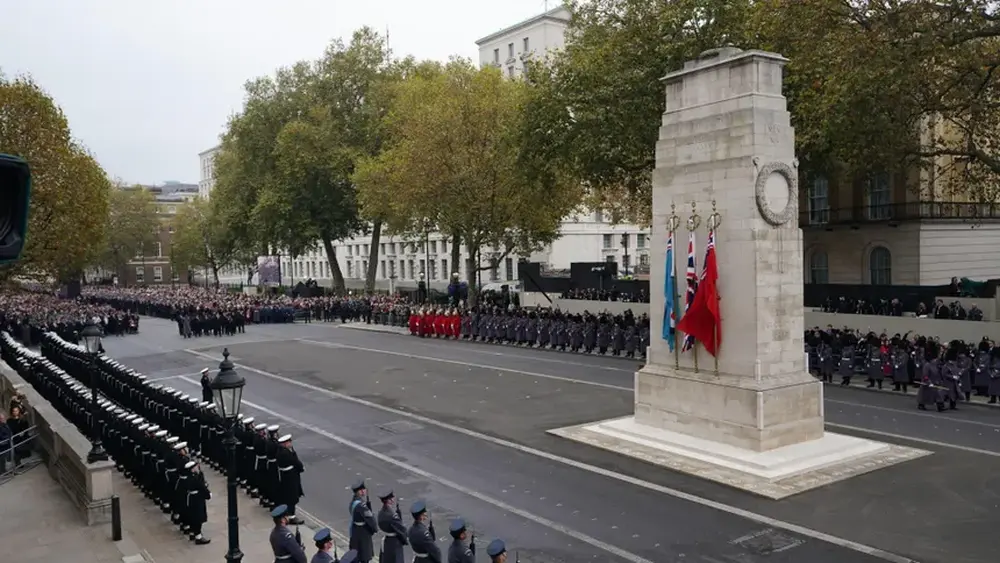
In the UK, the day is known as Remembrance Day. The central ceremony occurs at the Cenotaph in Whitehall, London, where members of the Royal Family, government officials, and veterans lay wreaths. At 11:00 a.m., the nation observes a two minutes silence. The UK also marks “Remembrance Sunday,” held on the second Sunday of November, ensuring that communities across the country can participate in local memorial services.
Canada: Remembrance Day and the Poppy Legacy
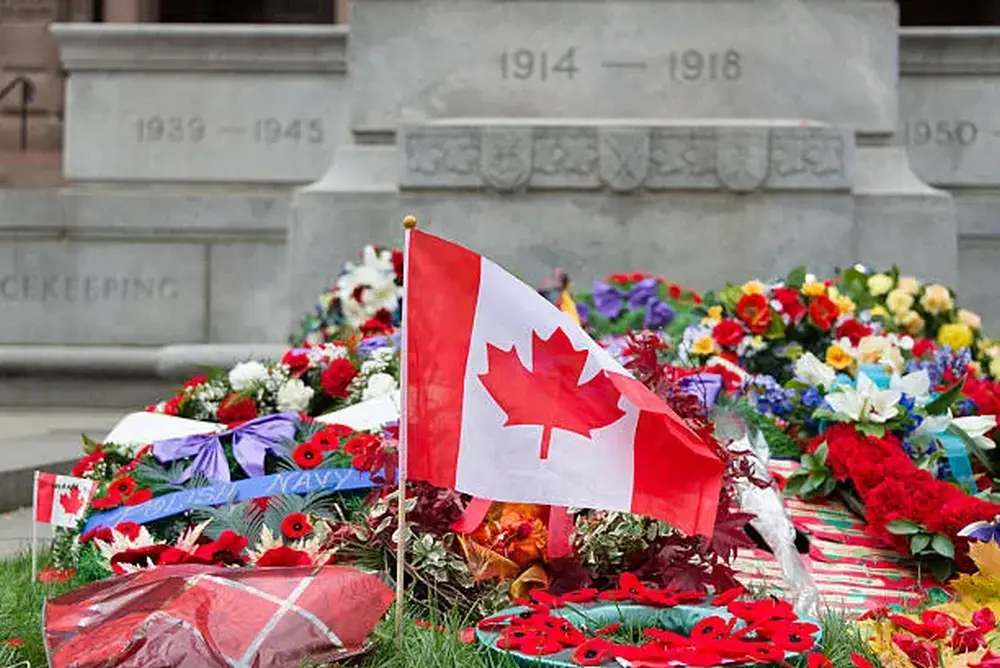
Canada officially adopted the name Remembrance Day in 1931 to honor all who have died in military service, not just those of WWI. The national ceremony is held at the National War Memorial in Ottawa. The day is deeply tied to the red poppy, inspired by the iconic 1915 poem *”In Flanders Fields”* by Canadian military doctor Lieutenant Colonel John McCrae. Leading up to November 11, the Royal Canadian Legion distributes paper poppies in exchange for donations, which directly support veterans and their families.
Australia: Remembrance Day
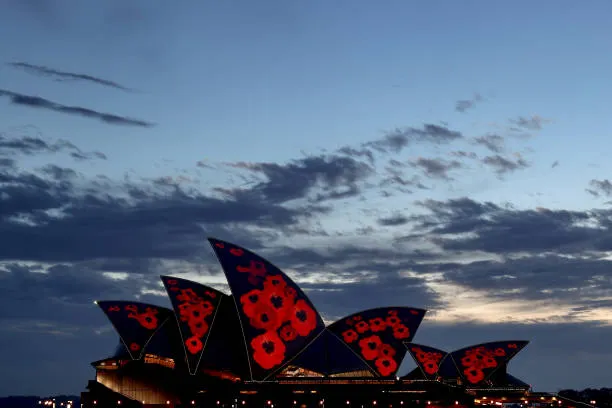
Australians observe Remembrance Day to honor all who have died or suffered in wars, conflicts, and peacekeeping operations. The primary national ceremony is held at the Australian War Memorial in Canberra. While the UK and Canada observe two minutes of silence, Australia traditionally observes a one minute silence at 11:00 a.m., followed by the playing of the “Last Post” and “The Rouse.”
New Zealand: Armistice Day
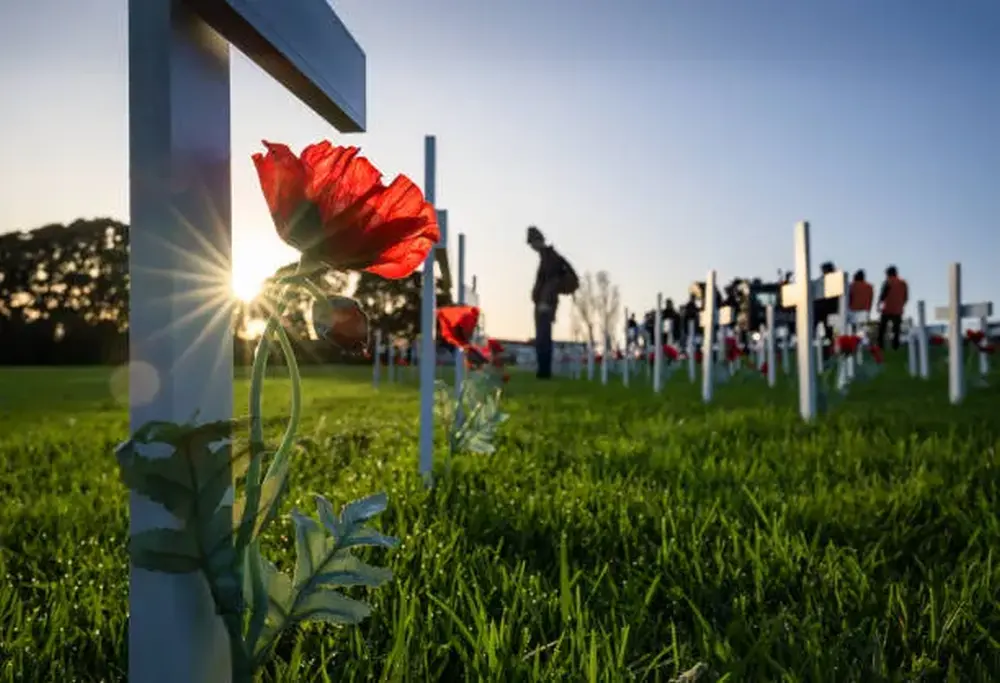
New Zealand, which suffered profound losses relative to its small population during WWI, observes Armistice Day with a one minute silence at 11:00 a.m. The national ceremony takes place at the National War Memorial in Wellington. The day serves as a reminder not only of historical sacrifices but also of the enduring psychological and social impacts of war on veterans and their families.
The Symbolism of the Red Poppy
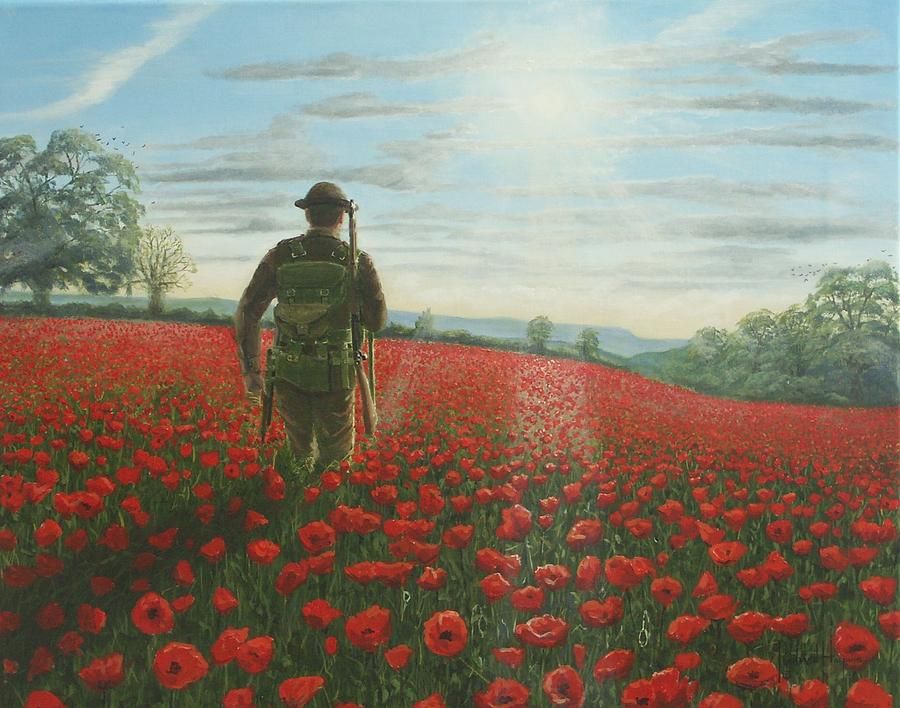
The red poppy is the most universally recognized symbol of Remembrance. During the war, the relentless artillery bombardment in Flanders and northern France churned the soil, bringing dormant poppy seeds to the surface. In the spring, vibrant red flowers bloomed amidst the devastation and graves of soldiers.
Following the publication of *”In Flanders Fields,”* the poppy was adopted as a symbol of remembrance. In 1921, the Royal British Legion began selling paper poppies to raise funds for veterans, a tradition that quickly spread across the Commonwealth.
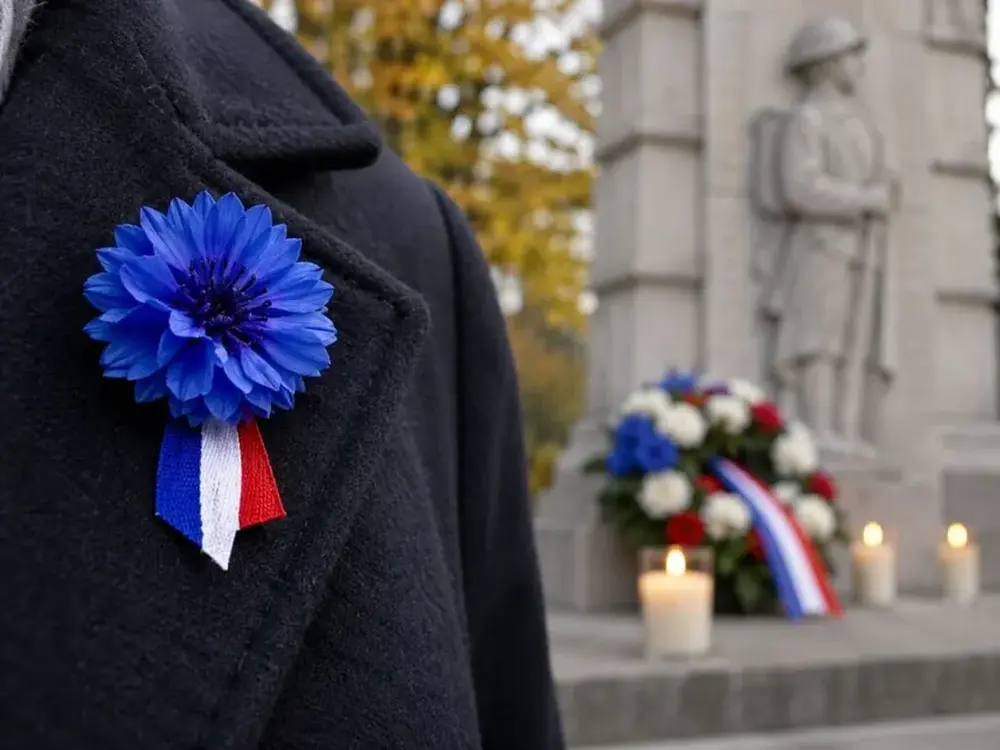
While the poppy dominates in English speaking nations, other countries have their own symbols. In France, the blue cornflower (*le bleuet de France*) is worn to honor the fallen and support veterans, drawing a parallel to the resilience of the flower growing in the war torn fields.
A Timeless Reminder
November 11 is far more than a historical footnote. It is a vital, living tradition. The rituals of the day; the halting of daily life, the laying of wreaths, the wearing of the poppy, and the profound two minutes silence; serve a crucial purpose.
Never forget the sacrifice.
Cherish the peace.
Text : Scribblegeist (Ghost of the runaway pencil)
Images : web, otherwise specified