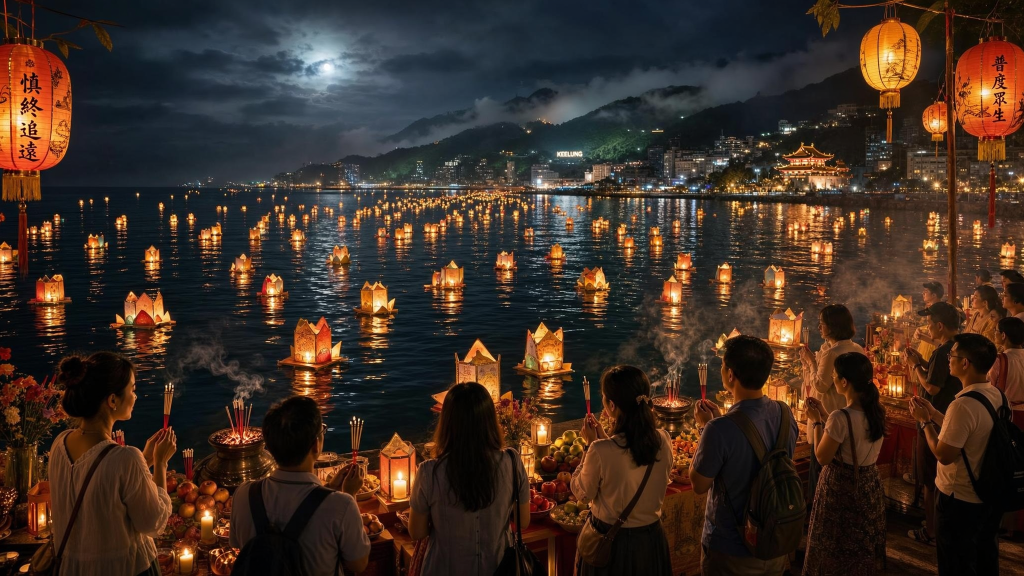
Every year, as summer begins to settle across Taiwan, the rhythmic sound of drums echoes over rivers and harbors. Colorful dragon boats cut through the water while families gather to share sticky rice dumplings wrapped in bamboo leaves. Known as the Dragon Boat Festival, this celebration is one of the oldest and most beloved traditions in the Chinese-speaking world, blending history, legend, community, and sport into a single unforgettable day.
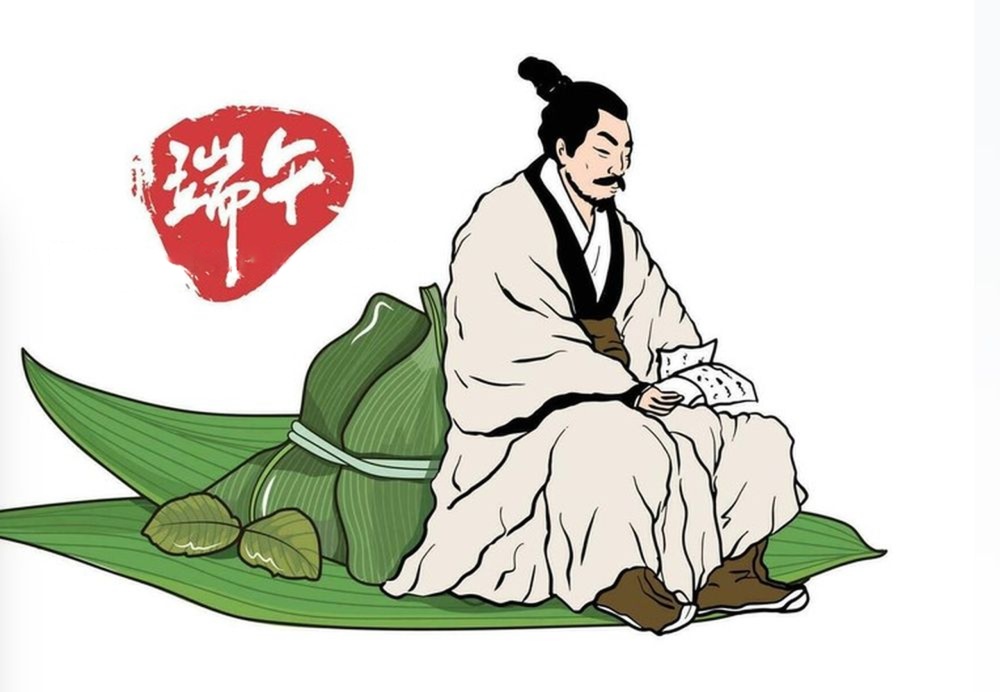
The festival takes place on the fifth day of the fifth month of the traditional lunar calendar, a date that has been observed for more than two thousand years. While several ancient customs contributed to its development, the story most closely associated with the festival is that of Qu Yuan, a poet, scholar, and loyal minister who lived during China’s Warring States period.
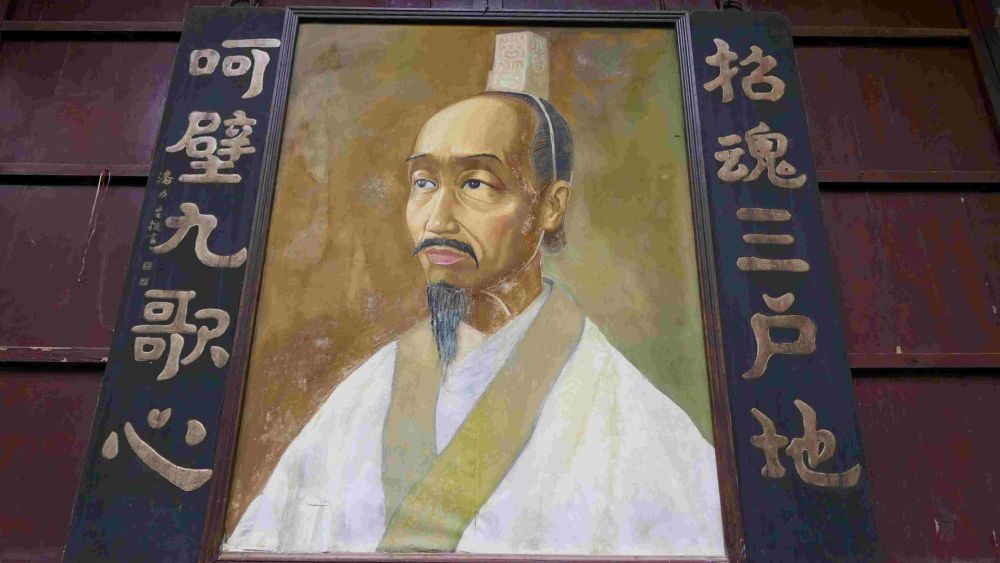
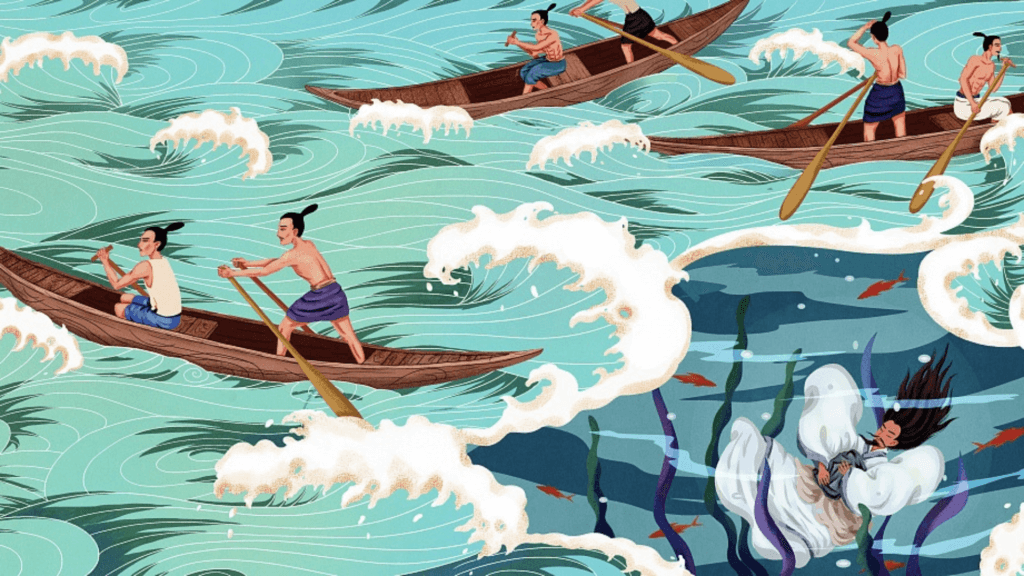
Qu Yuan served the State of Chu and was deeply devoted to his country. He advocated reforms and warned against political corruption, but his advice was ignored. Exiled from court, he watched helplessly as his homeland weakened. When the capital eventually fell to enemy forces, Qu Yuan, overcome with grief and despair, threw himself into the Miluo River.
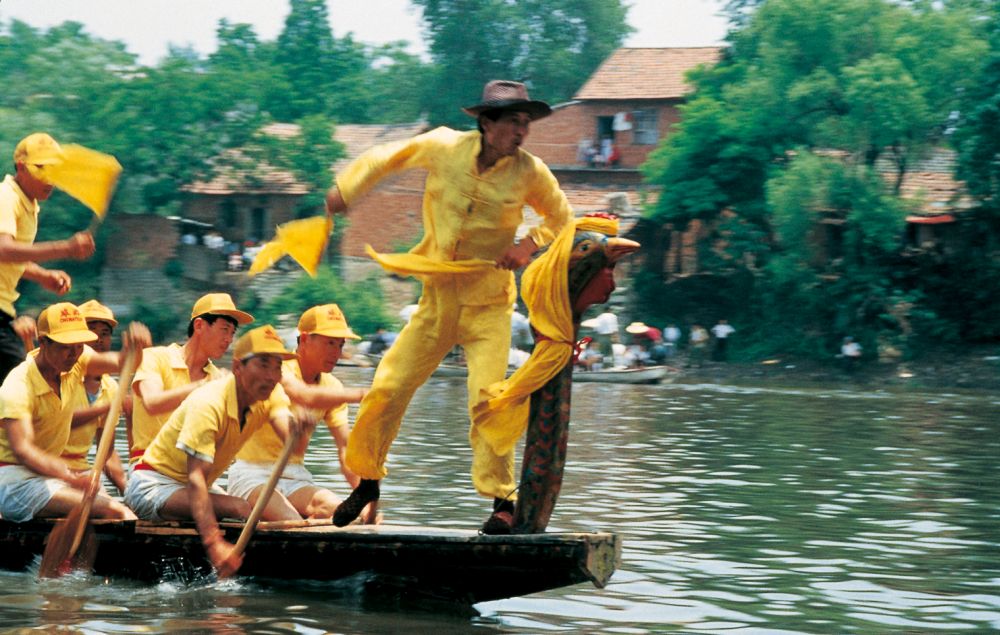
According to legend, local villagers rushed out in their boats to save him. They paddled furiously across the river, beating drums to frighten away fish and evil spirits. Unable to find him, they tossed packets of rice into the water so that fish would eat the rice instead of his body. Over time, these acts of devotion evolved into two of the festival’s most enduring traditions: dragon boat racing and the eating of rice dumplings known as zongzi.
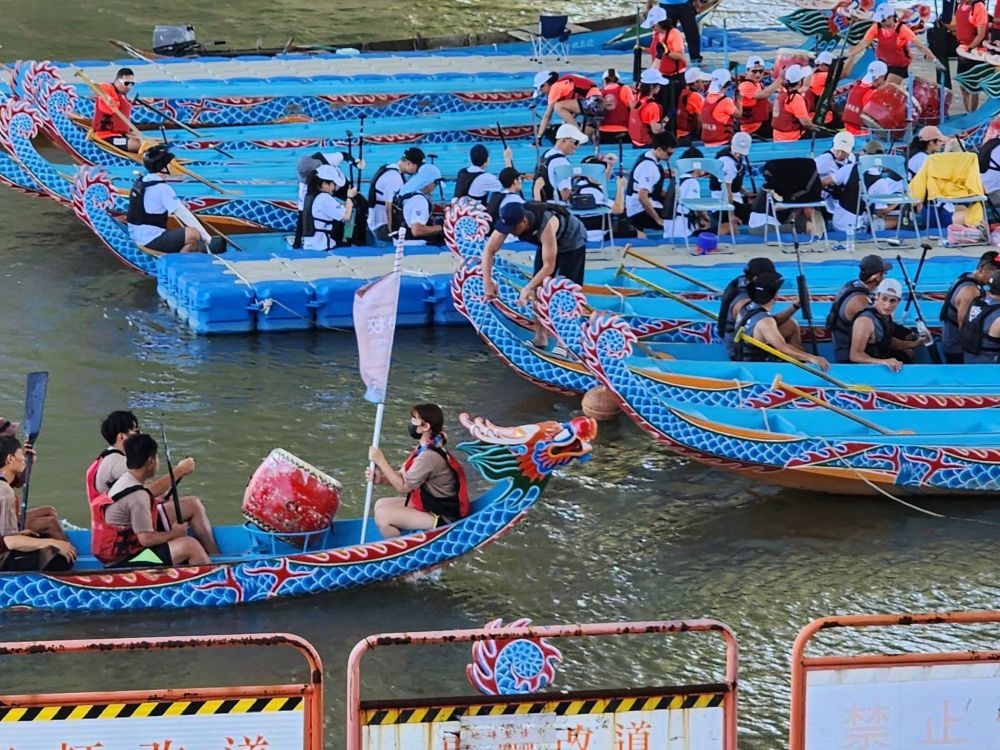
Today, dragon boat races are the highlight of the celebration. Long, narrow boats decorated with dragon heads and tails line up at the starting point while crews of paddlers wait for the signal. At the front of each boat, a drummer maintains the rhythm that keeps the team moving as one. Success depends not on the strength of a single athlete but on the perfect synchronization of every paddler. The result is a thrilling spectacle of teamwork, endurance, and determination.
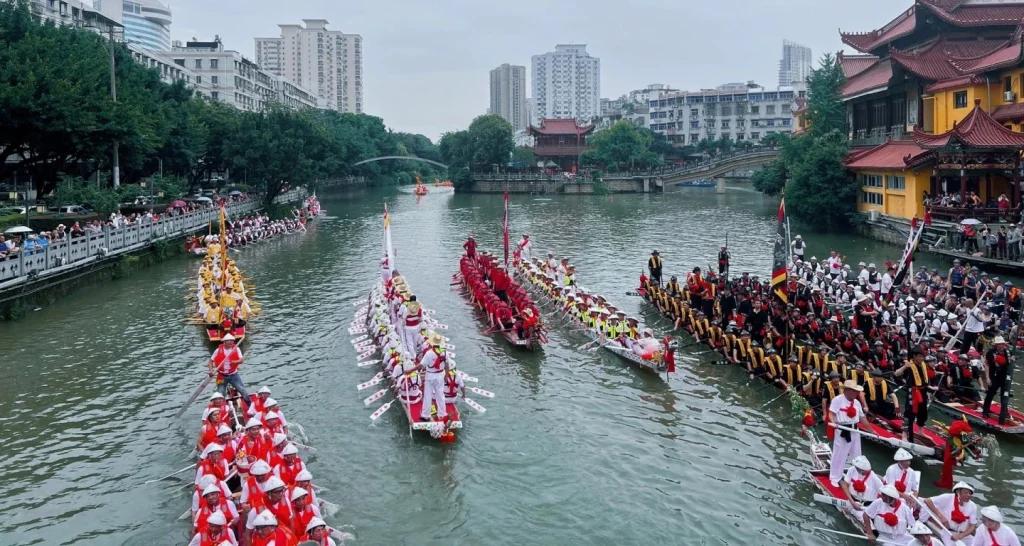
In Taiwan, dragon boat races attract both local teams and international competitors. Cities such as Taipei, Kaohsiung, and Tainan host large events that draw thousands of spectators. The atmosphere is festive and energetic. Food stalls, cultural performances, and family activities transform the waterfront into a celebration of community spirit.
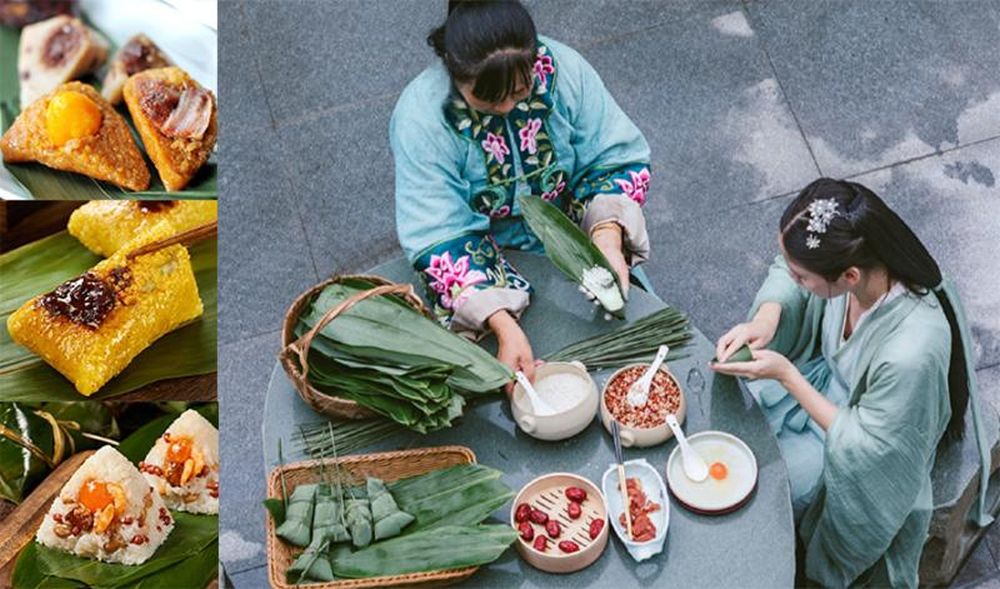
Another cherished tradition is the preparation of zong-zi. These pyramid-shaped dumplings are made from glutinous rice wrapped in bamboo or reed leaves and tied with string before being steamed or boiled. Recipes vary by region and family. Some contain pork, mushrooms, salted egg yolks, and peanuts, while others are sweet and filled with beans or dates. For many families, making zong-zi together is as important as eating them.
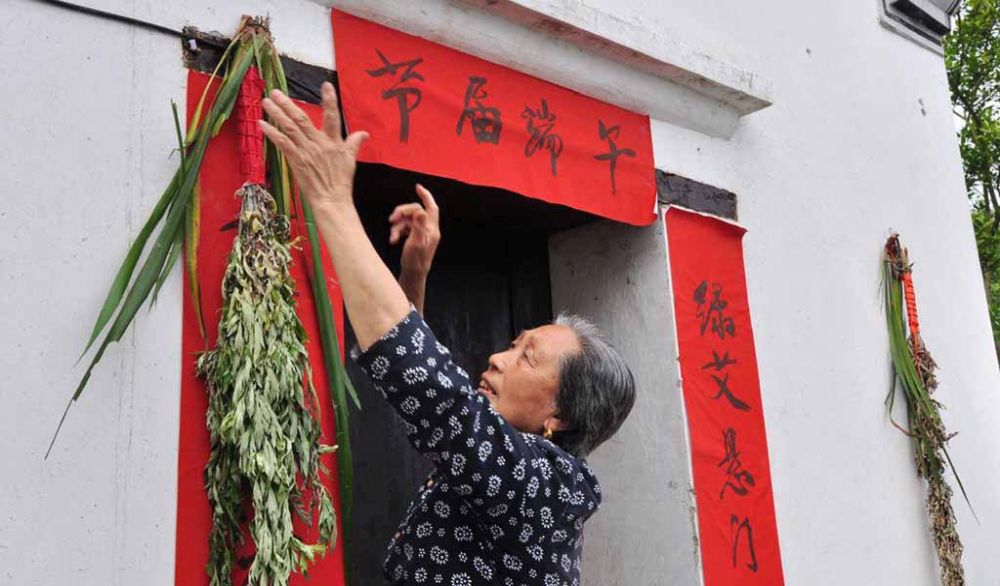
The Dragon Boat Festival also preserves ancient beliefs connected to health and protection. Historically, the fifth lunar month was considered a time when disease was more common. People hung aromatic herbs such as mugwort and calamus near their doors, wore scented sachets, and observed rituals intended to ward off illness and misfortune. While many of these practices are less common today, they remain part of the festival’s cultural heritage.
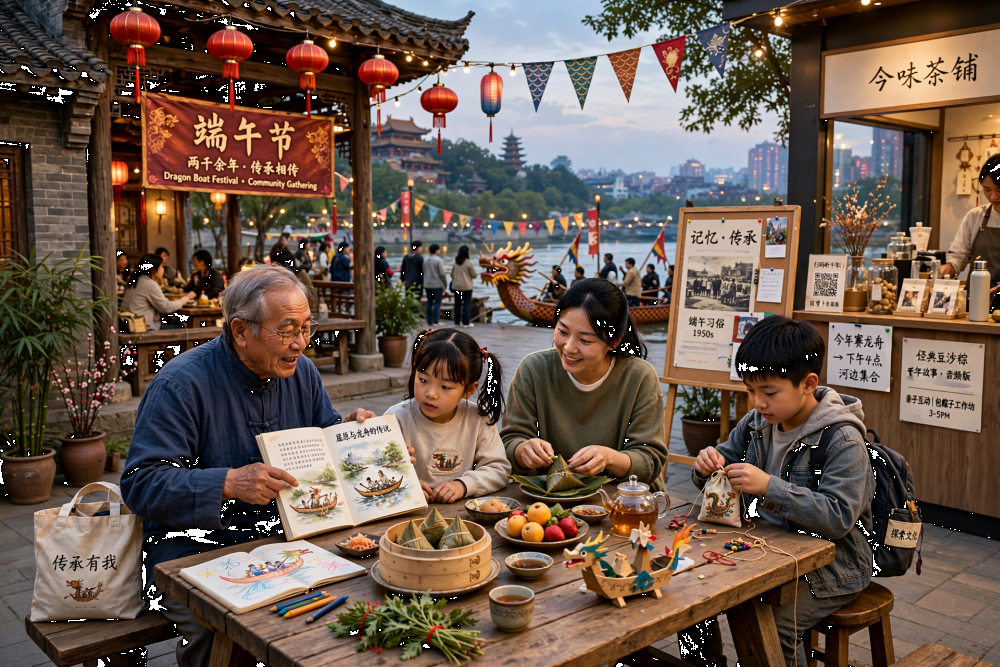
What makes the Dragon Boat Festival remarkable is the way it bridges past and present. A story that began more than two millennia ago still inspires communities today. Children learn legends that their grandparents once heard. Families gather around traditional foods. Athletes train for races that echo the desperate search for a beloved poet. Ancient customs continue to thrive in modern cities filled with skyscrapers and technology.
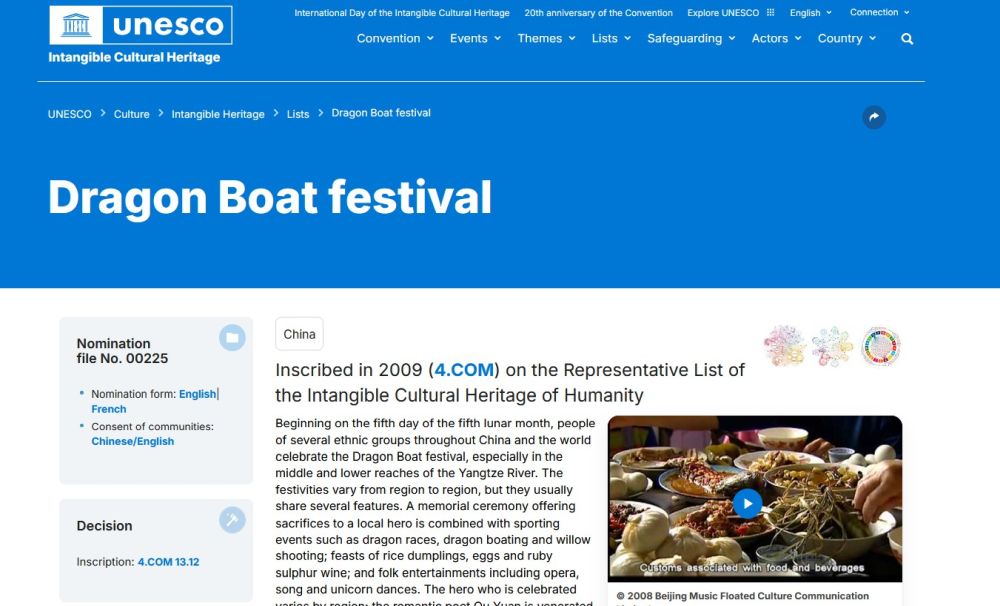
The importance of the Dragon Boat Festival extends far beyond the communities that celebrate it each year. In 2009, the festival was inscribed on the UNESCO Representative List of the Intangible Cultural Heritage of Humanity, recognizing its rich traditions, historical significance, and enduring role in bringing people together. This international recognition helps preserve the customs, stories, and cultural practices associated with the festival, ensuring they can be passed on to future generations around the world(*).
As the final races conclude and the drums fall silent, the festival leaves behind more than memories of competition. It reminds us of loyalty, perseverance, and the power of communities to keep stories alive across generations.
The dragon boats may cross the finish line in a matter of minutes, but the traditions they represent have endured for centuries and continue to unite people every year along the rivers and coastlines of Taiwan and beyond.
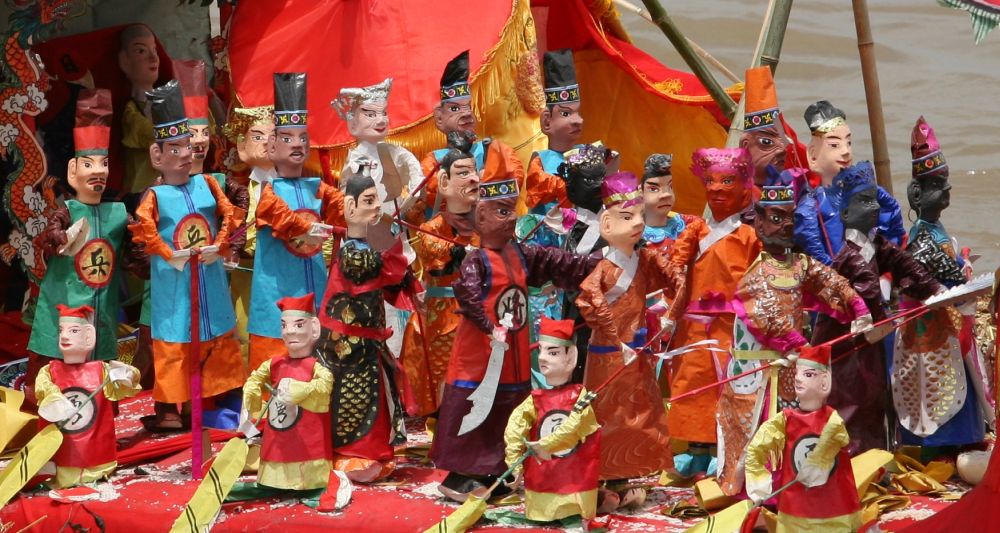
Images : Sue Babcock, UNESCO website, Web
Text : Scribblegeist (Ghost of the runaway pencil)
(*)A small precision: it was the Chinese Dragon Boat Festival tradition that was inscribed by the UNESCO in 2009, becoming the first Chinese festival included on the Representative List of the Intangible Cultural Heritage of Humanity. This is often cited by Taiwan and other Chinese-speaking communities when discussing the festival’s cultural importance.
https://ich.unesco.org/en/RL/dragon-boat-festival-00225