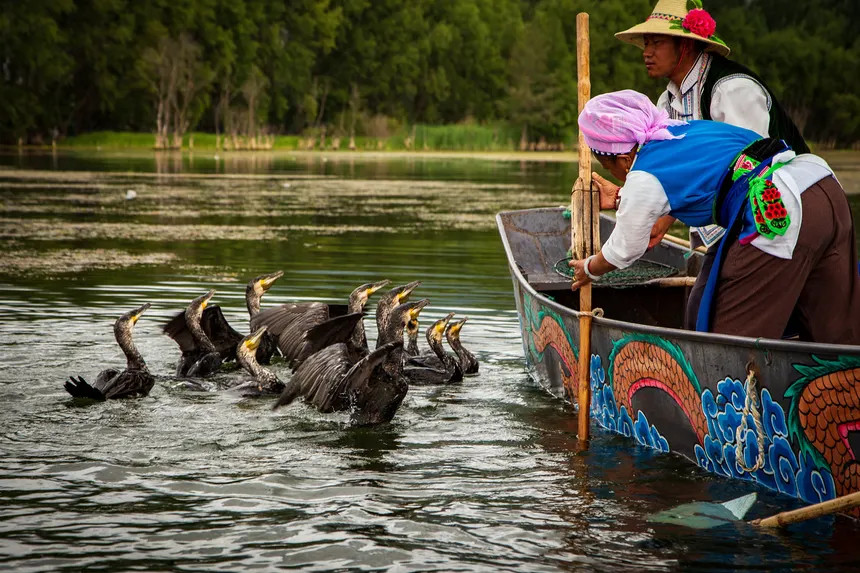
Cormorant fishing stands as one of humanity’s oldest partnerships with the animal world, a practice where trained birds dive in rivers to catch fish for their human handlers. Once common across Asia, this tradition now survives in only a handful of places, preserved more as cultural heritage than as a livelihood.
Origins and Historical Background
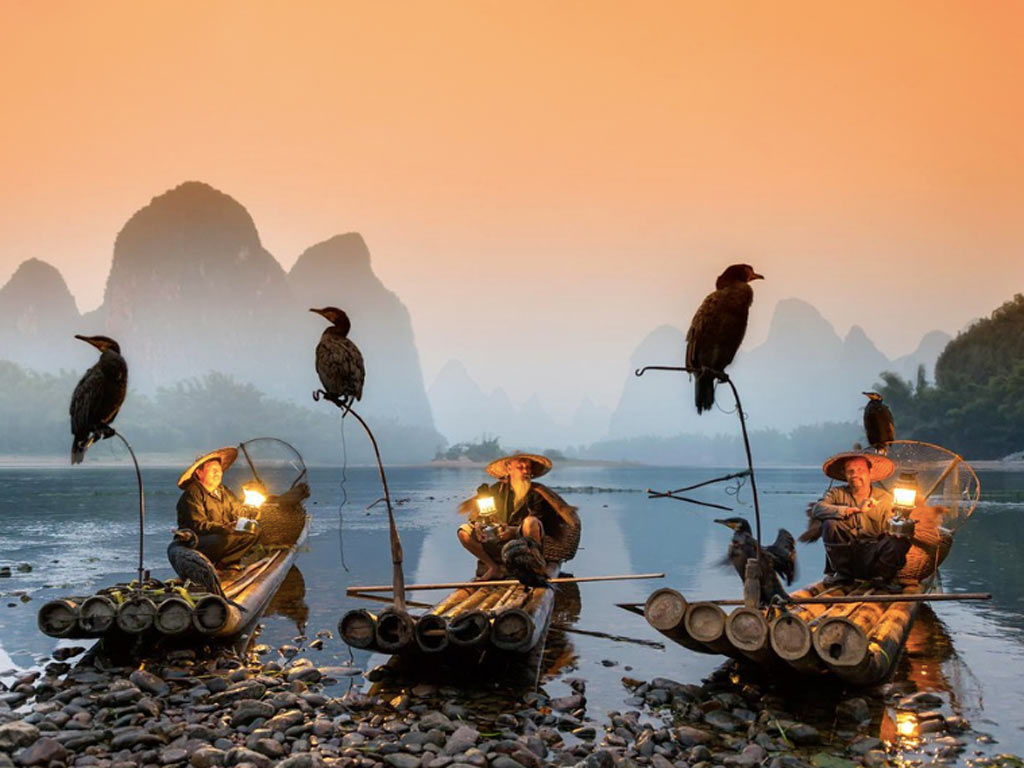
The roots of cormorant fishing trace back to ancient China, with evidence suggesting its practice as early as the 10th century BCE along the Yangtze River and other southern waterways. Local fishermen are believed to have developed the technique after observing the cormorant’s natural diving prowess and ability to capture fish.
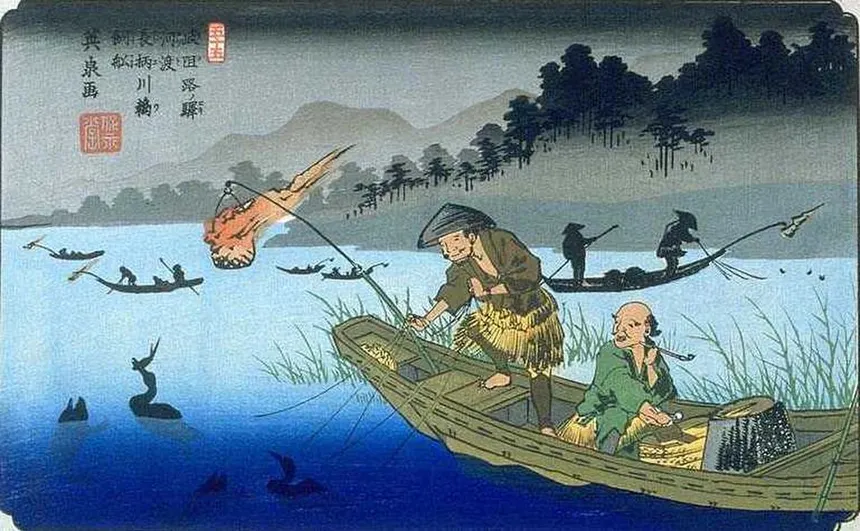
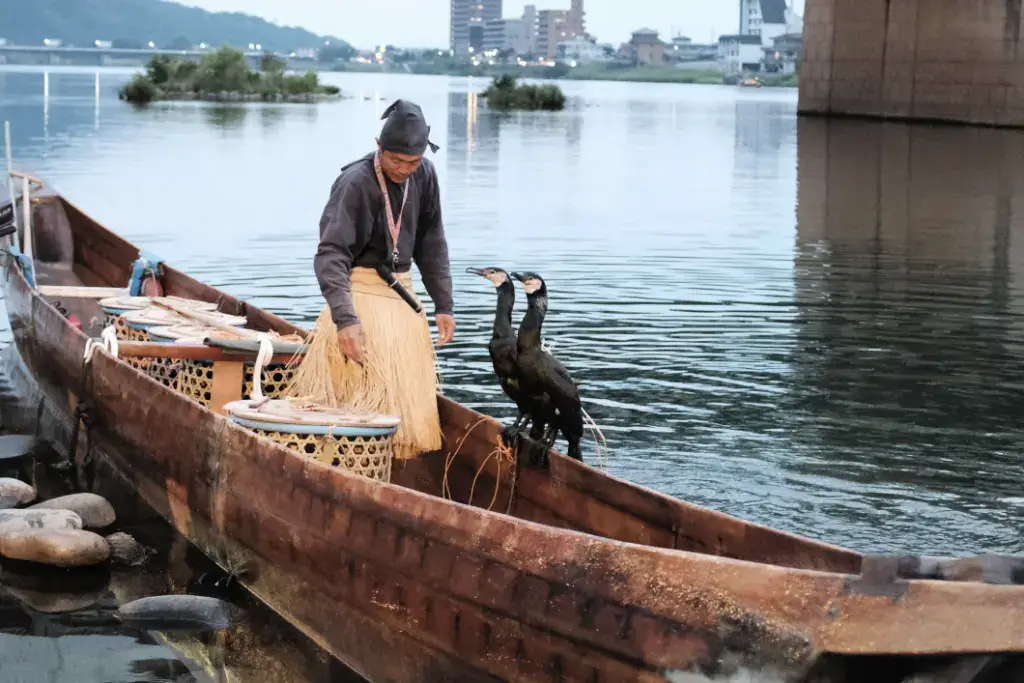
From China, the tradition spread to Japan and Korea through centuries of cultural exchange. In Japan, it became especially refined in the Nagano and Gifu prefectures, evolving into a ceremonial art known as ukai. Korean fishermen practiced it along major rivers such as the Geumgang and Han.
Beyond sustenance, cormorant fishing symbolized skill, patience, and harmony between humans and nature. It inspired poets, painters, and scholars in classical Chinese and Japanese culture, appearing frequently in art and literature as a metaphor for cooperation with the natural world.
How Cormorant Fishing Works
Fishermen typically raise cormorants from chicks, training them over two to three years to dive and retrieve fish on command. A small leather ring or cord is placed around the bird’s neck to prevent it from swallowing larger catches while still allowing it to eat smaller fish. This ensures the fisherman can retrieve the catch from the bird’s beak.
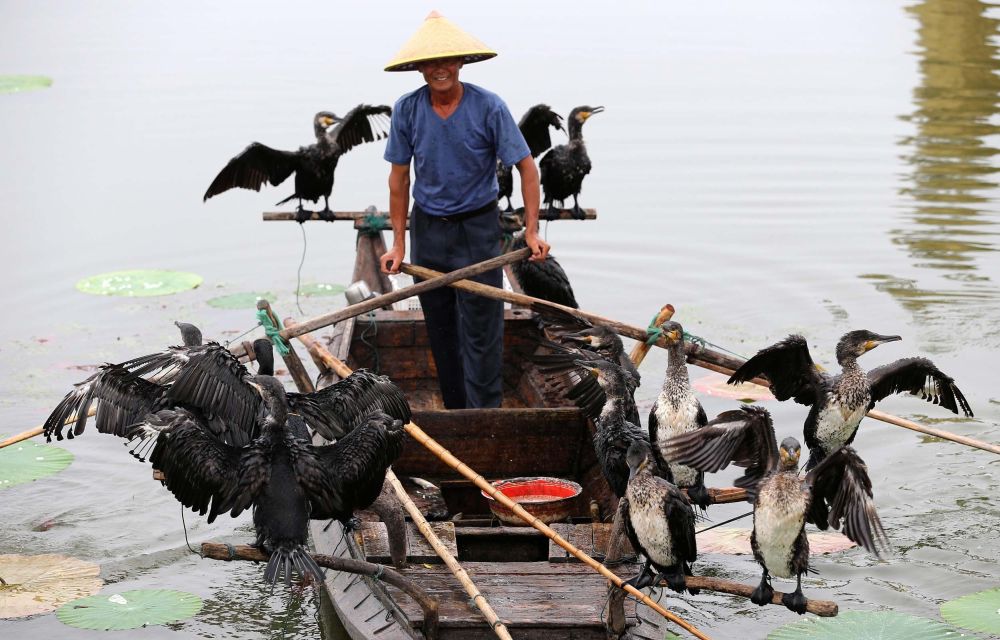
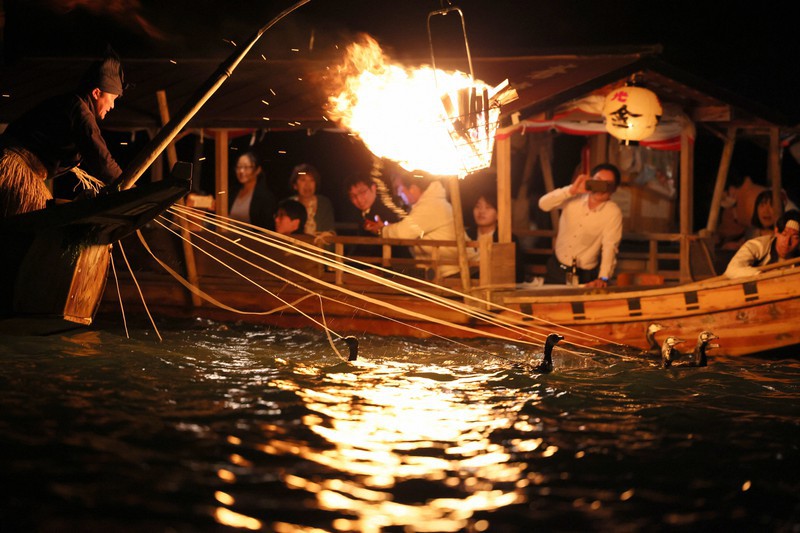
The fishing process unfolds at night on small wooden boats, often lit by oil lamps or torches to attract fish. The fisherman releases the cormorants into the water, where they dive and hunt. Once a bird catches a fish, the fisherman signals it to return, retrieves the fish, and stores it. Multiple birds may work together in coordinated groups, guided by the fisherman’s skill and knowledge of their behavior.
Cultural and Economic Significance
In Japan, cormorant fishing is designated as an Important Intangible Folk Cultural Property and is celebrated in festivals, particularly in Gifu and along the Nagara River. It has long been associated with imperial patronage, with some families holding hereditary titles as imperial cormorant fishing masters.
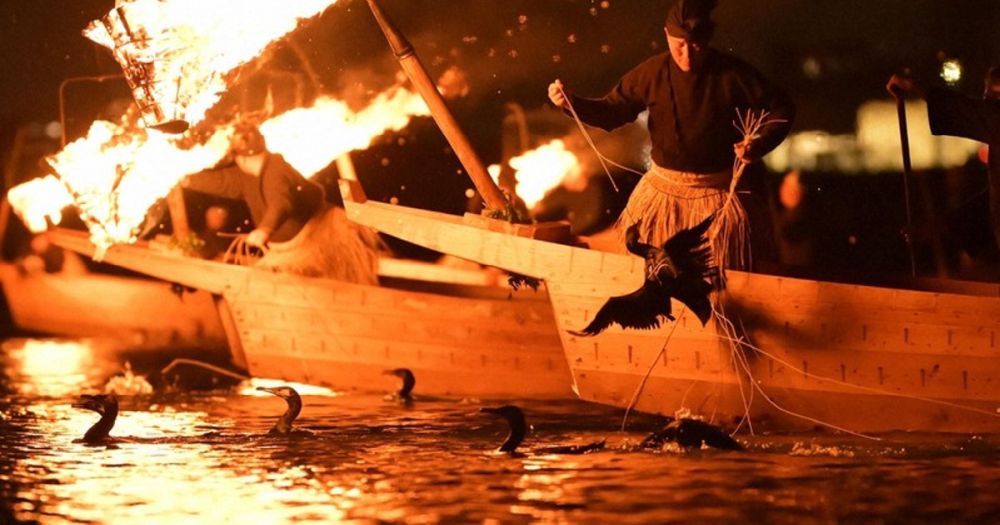
Historically, this method provided a reliable food source for riverside communities. Although modern fishing techniques have largely replaced it economically, cormorant fishing remains valued for its sustainability and low environmental impact. Today, it draws tourists eager to witness this ancient spectacle, helping fund its preservation and supporting local fishermen.
Modern Practice and Challenges
Cormorant fishing persists in limited regions: Gifu and Tsuruga in Japan, parts of the Yangtze River basin in China, the Geumgang River in Korea, and some areas of Odisha and West Bengal in India. Yet its future is uncertain.
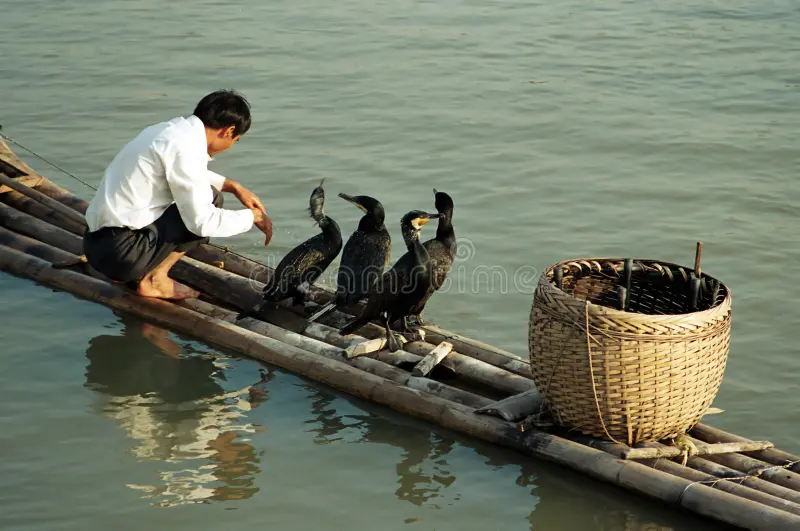
Modern industrial fishing, pollution, and habitat loss have reduced both the need for and viability of traditional cormorant fishing. In China, ecological protection policies have restricted fishing activities on key waterways, forcing practitioners to relocate or adapt their practices. Environmental degradation also threatens cormorant populations themselves.

Animal welfare concerns have arisen over the neck rings used to control the birds. While proponents argue the rings cause no harm when properly managed, critics question the ethics of the practice. Governments and cultural organizations now work to sustain the tradition through education, tourism, and conservation programs, though its role has shifted from livelihood to cultural performance.
A Legacy Worth Preserving
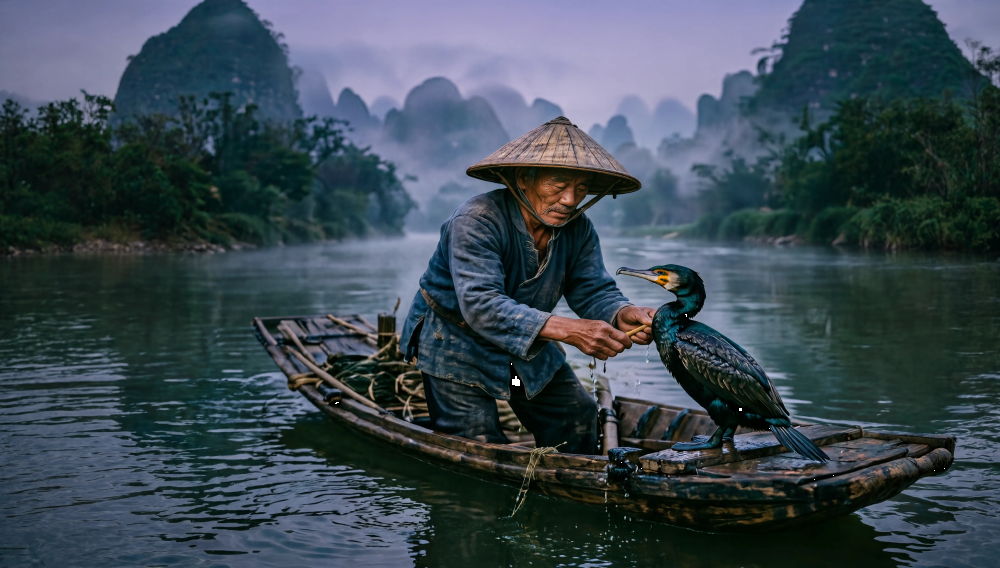
Cormorant fishing endures as a testament to human ingenuity and inter species cooperation. Though no longer a primary means of survival, it carries profound cultural meaning and offers lessons in sustainability and respect for wildlife. As environmental pressures mount, safeguarding such traditions becomes not just an act of nostalgia but a reminder of alternative ways to live with nature. Cormorant fishing is a rare window into an ancient alliance between humans and birds, reflecting centuries of shared survival and cultural identity.
Now teetering between heritage and obsolescence, its future depends on
balancing ecological concerns with the preservation of intangible human history.
Images : AI, Web (unless specified) – Featured Image by AI
Text : Scribblegeist (Ghost of the runaway pencil)