On the evening of last Wednesday August 26, 2026, the port city of Keelung once again became a place where two worlds seemed to meet. Thousands of people gathered in the streets, music filled the air, lanterns glowed against the darkness and elaborate processions moved through the city toward the sea. To an outsider, it might sound like the setting for a ghost story. But Keelung’s famous Ghost Festival is really a story about something much more beautiful: remembering the dead, caring for the forgotten and bringing a community together through more than 170 years of tradition.
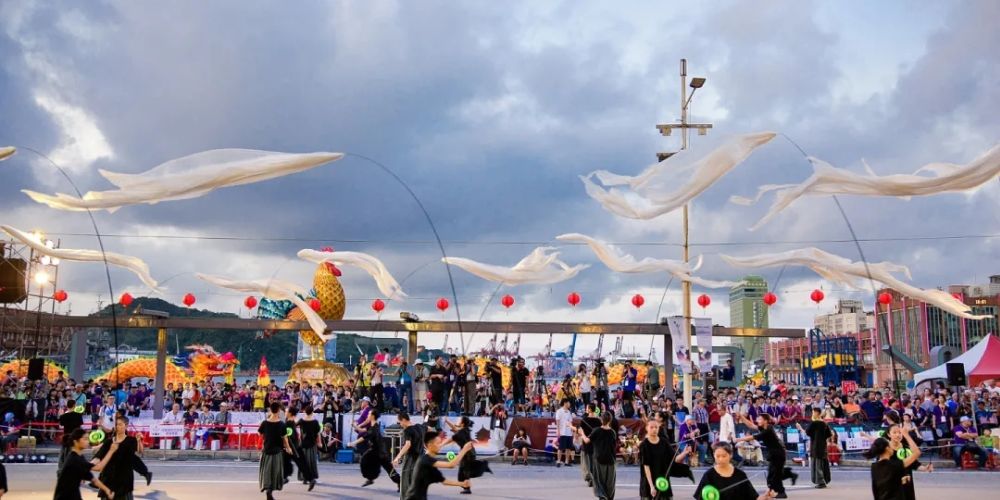
The Keelung Mid-Summer Ghost Festival, known in Chinese as the Zhongyuan Festival, is one of Taiwan’s oldest and most remarkable cultural celebrations. It dates back to 1855, when conflict between rival immigrant communities in Keelung had caused terrible loss of life. Eventually, the opposing groups found a way to make peace. Rather than allowing their dead to become symbols of division, they created a shared tradition of remembrance. The festival became an annual responsibility, with different family and clan associations taking turns organizing the ceremonies. What began in the shadow of conflict gradually became a celebration of coexistence.
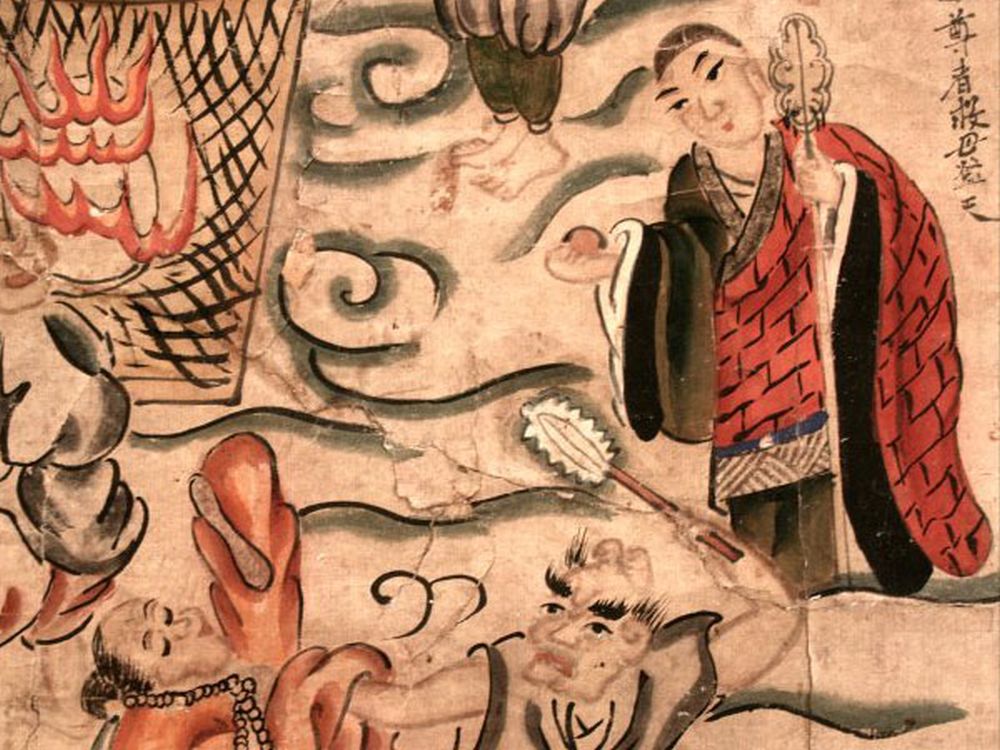
That history gives the festival a meaning that reaches far beyond religion. It is about what happens when people decide that the past should not be forgotten, but neither should it be allowed to divide the living. Generation after generation has carried the tradition forward, adding music, art, magnificent lanterns, elaborate costumes and spectacular processions while preserving the rituals at its heart. Taiwan’s government recognizes the Keelung festival as an important folk cultural heritage, and today it is regarded as the largest Ghost Festival celebration in Taiwan.
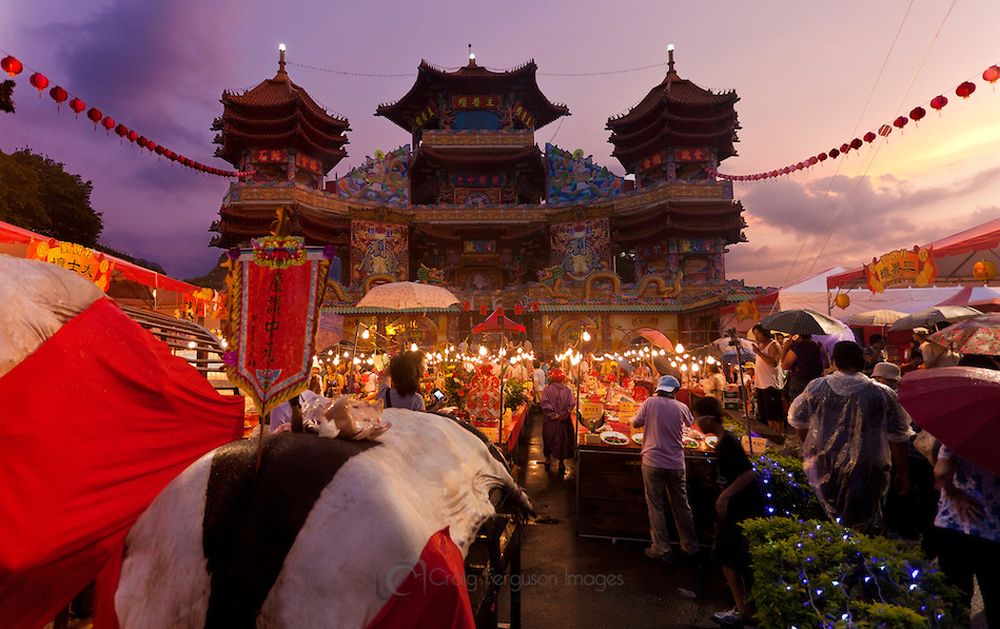
The name “Ghost Festival” can perhaps sound rather ominous to Western ears. In Taiwan, however, the seventh month of the lunar calendar is a time when the boundary between the living and the spirit world is traditionally believed to become more open. Ancestors return, but so do spirits who may have nobody left to remember them. Families and communities therefore prepare offerings, perform rituals and extend hospitality to those wandering spirits. The underlying message is surprisingly gentle: even the forgotten deserve a place at the table.
And then come the lanterns.
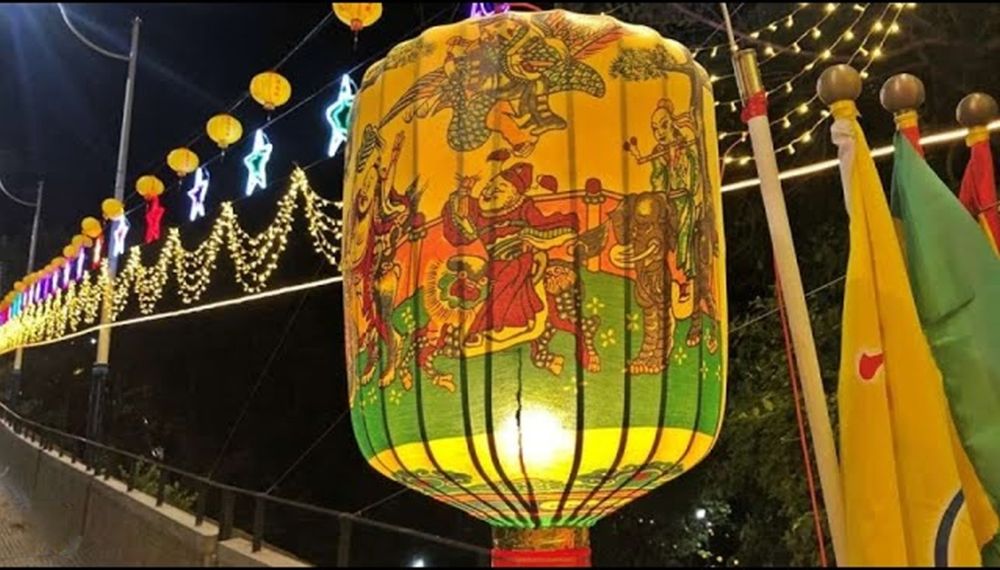
Among the most spectacular moments of the Keelung celebration is the Water Lantern Parade on the fourteenth day of the seventh lunar month. Elaborately decorated lantern structures are carried through the city in a great procession accompanied by performances, music and crowds of spectators. Later in the evening, the lanterns are taken toward the coast, illuminated and released onto the water. The tradition is associated with honoring spirits, particularly those who died in the sea, and guiding them onward. There is something wonderfully poetic about that image. The city becomes a river of light, and eventually the lights meet the darkness of the sea. Perhaps that is why the festival feels less like a celebration of death than a celebration of connection.
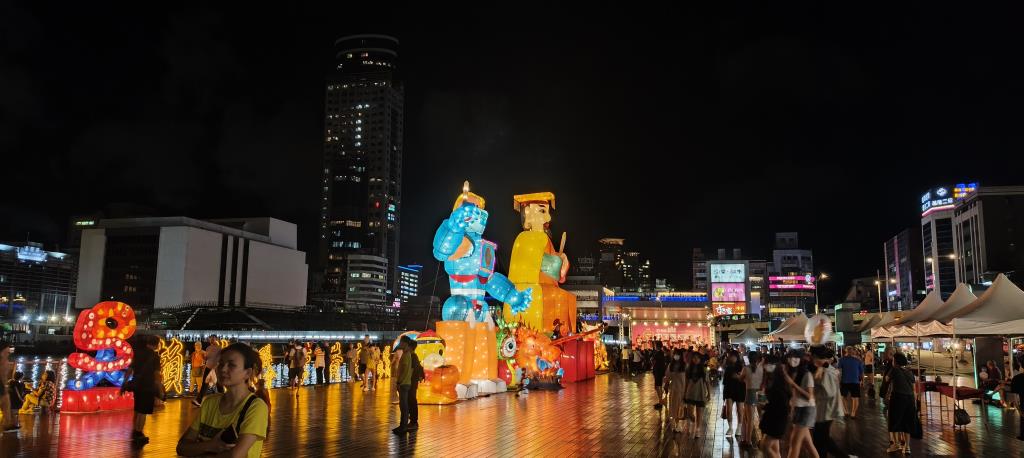
The lantern is not simply something beautiful to look at. It is a gesture. It says: we remember you. It says: you are not alone. And when thousands of those gestures are carried through the streets together, the result is an extraordinary expression of collective memory. The festival itself is far larger than a single evening. The seventh lunar month is filled with ceremonies, offerings and rituals. The major events traditionally concentrate around the twelfth through fifteenth days of the month, including the lighting of the main altar, lantern processions, the great water lantern parade and the public Pudu ceremony.
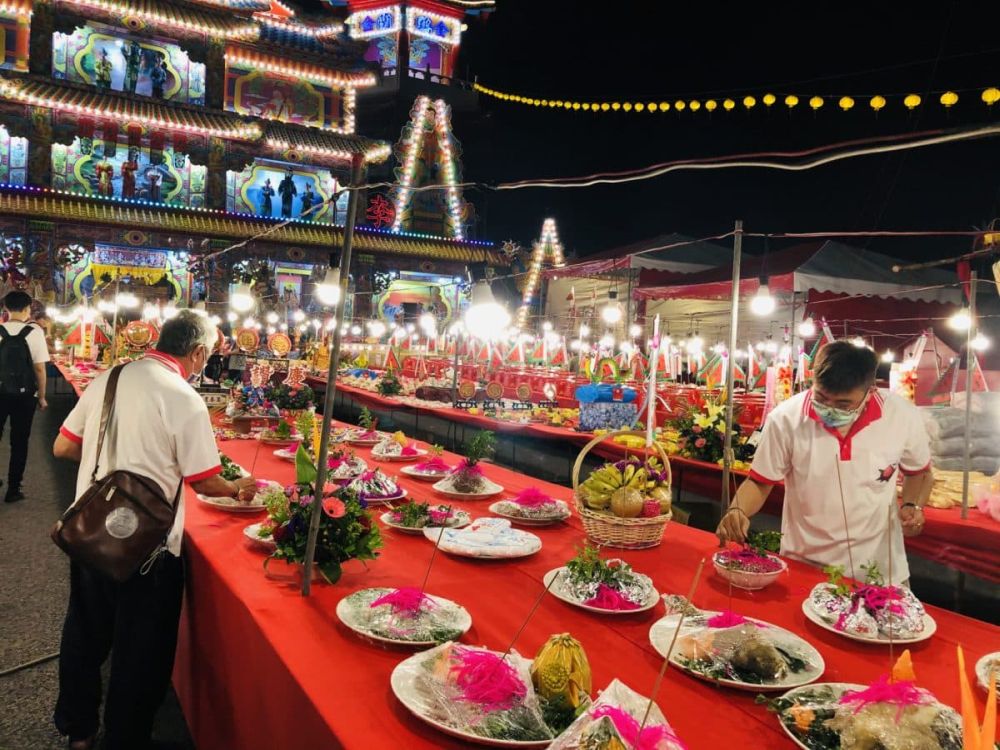
There is also a fascinating human story running beneath all of this pageantry. The ceremonies are not simply performed by professional entertainers for an audience. Families, clan associations, temples and local communities all have roles to play. Responsibilities are passed from one generation to another. Young people encounter customs that their grandparents knew, while older generations watch traditions they inherited acquire new life. That may be the most encouraging thing about Keelung’s Ghost Festival. It has survived not because it was frozen in time, but because people continued to care enough to carry it forward.
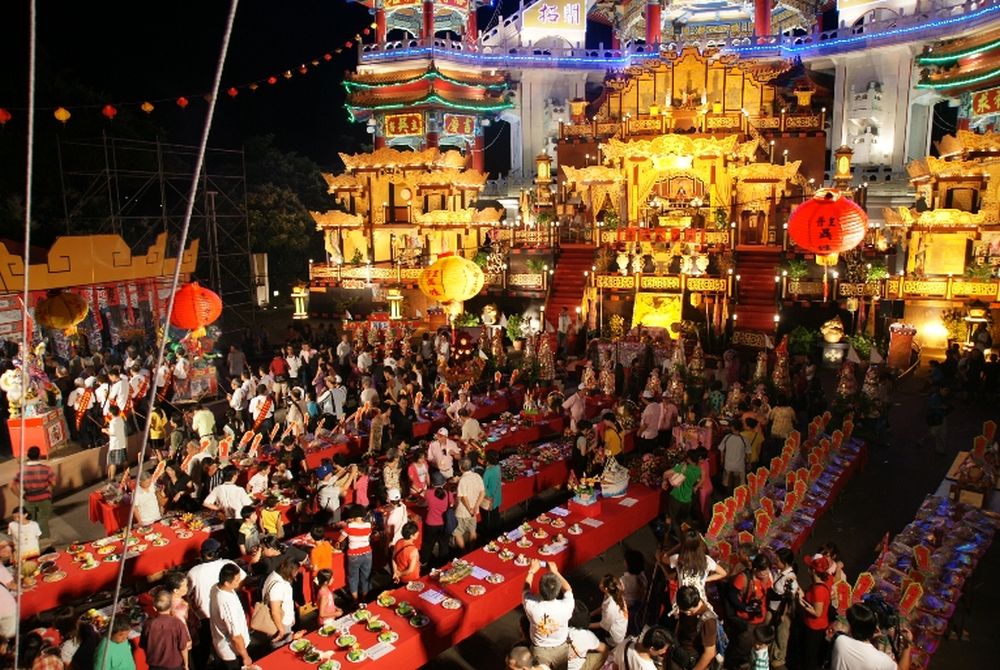
Walking through Keelung during the festival must therefore be a rather extraordinary experience. There are drums and traditional music, brilliant colors, incense, food, costumes, lanterns and crowds filling the streets. There is solemnity, certainly, but there is also excitement, laughter and the simple pleasure of people being together. The atmosphere is not one of hiding from the darkness. It is almost the opposite. The darkness becomes the background against which the lights can shine.
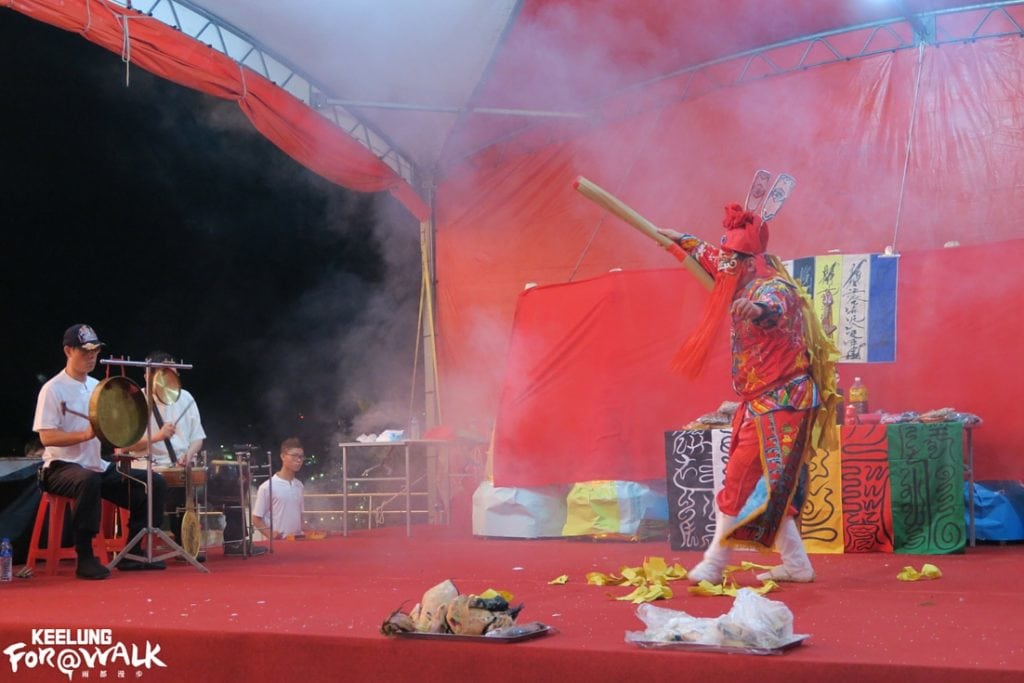
And perhaps that is a lesson worth carrying beyond Keelung.
Every culture has its ways of remembering those who came before us. Some build monuments. Some light candles. Some gather around photographs. Some tell stories at the dinner table. In Keelung, people build lanterns and send them toward the sea. The symbolism could hardly be more beautiful. The past is acknowledged, honored and then released. As the lanterns drift away across the dark water, they carry with them memories of people who once lived, loved, struggled and dreamed.
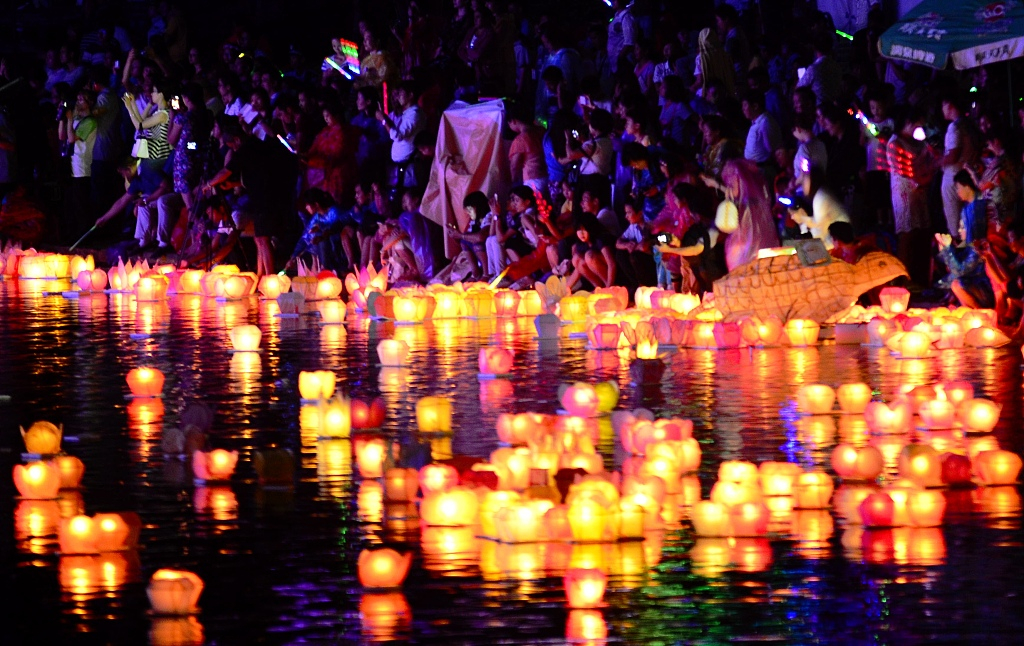
They also carry something belonging entirely to the Living:
The Hope that Tomorrow can be Better than Yesterday.
Text : Scribblegeist (Ghost of the runaway pencil)
Images : taiwanvoyager, taiwannews, keelung-for-a-walk, web
Featured Image by AI : a sea of tiny lights carrying memories into the darkness. ✨